What is fyi.news?
- How the Wall was built
- The victims
- What led to the fall
- November 9, 1989
- What happened next?
- Sources


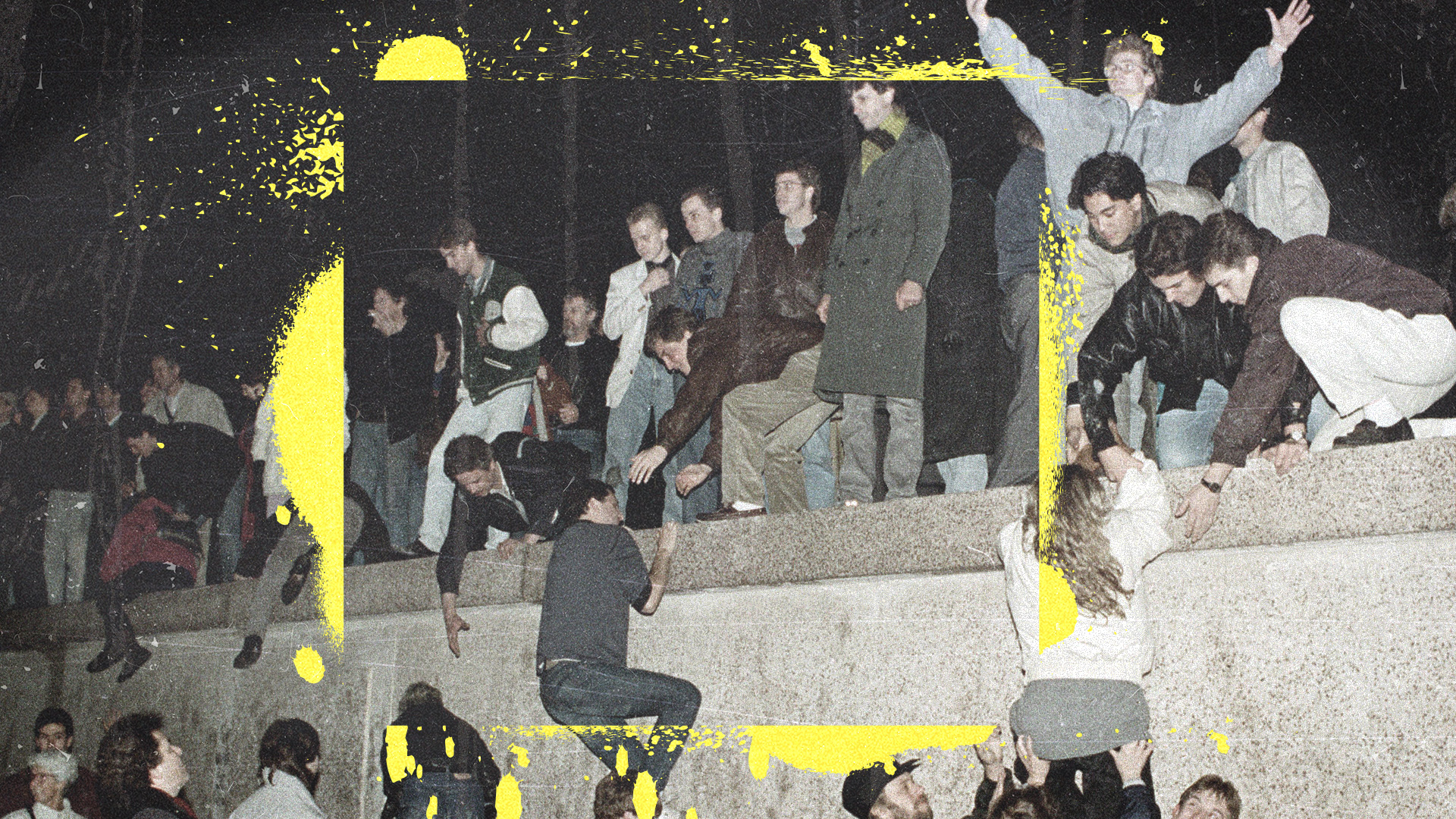

November 9, 2026, marks 37 years since the fall of the Berlin Wall on November 9, 1989, one of the most significant events in modern world history.
But why was the Wall built, and what led to its fall? This explainer answers the key questions.
At the Yalta Conference in 1945, towards the end of World War II, it was decided that Germany would be divided into four zones.
The Soviet Union (USSR), the United Kingdom, the United States and France would each control one zone, while Berlin, located in the heart of the Soviet zone, would also be divided into four sectors.
This resulted in the division of the city into West Berlin (controlled by the United Kingdom, the United States and France) and East Berlin (controlled by the USSR).
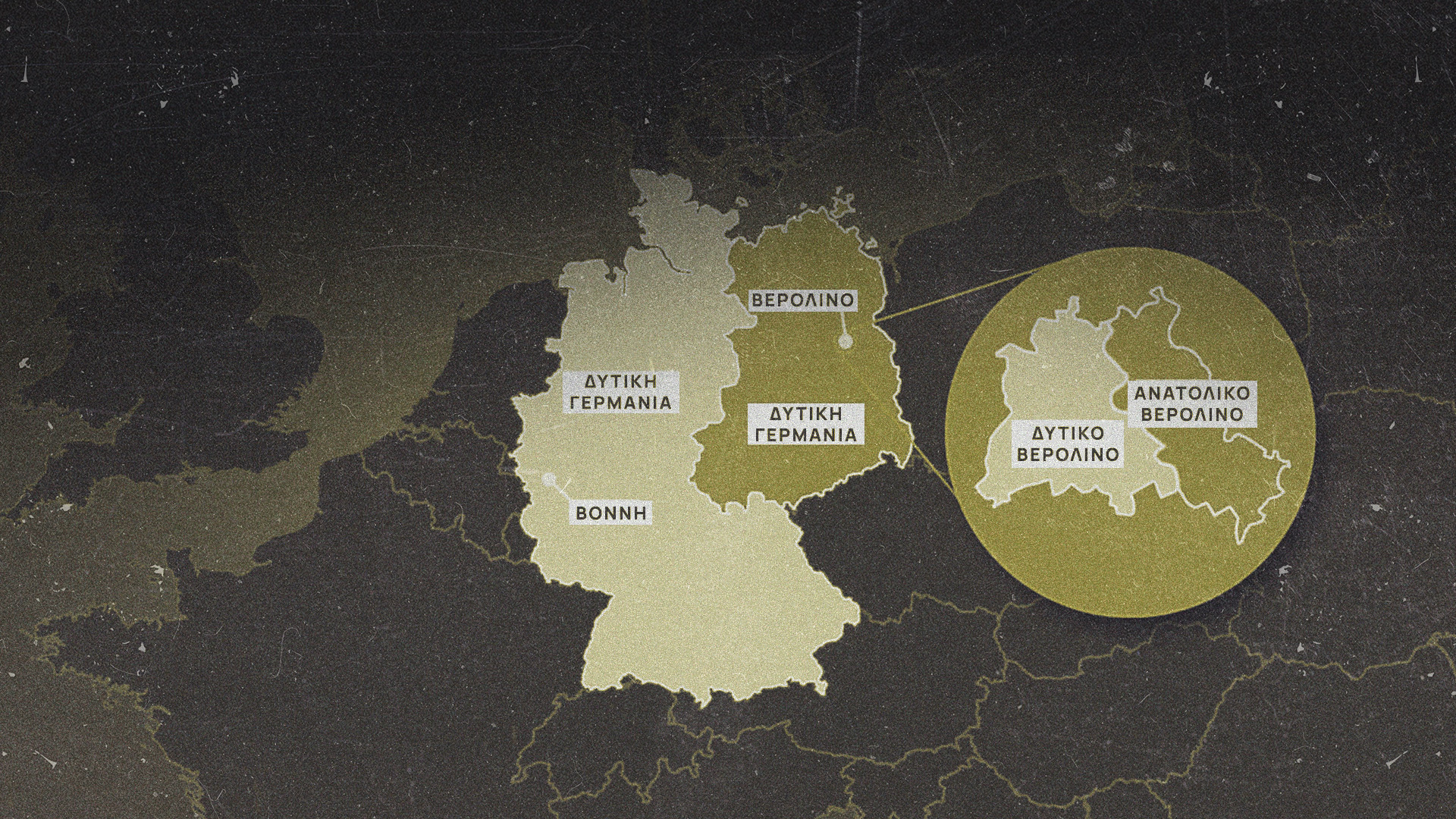 (fyiteam)
Initially, Germans could move freely between East and West Berlin, but restrictions began to be imposed with the onset of the Cold War.
In August 1961, the USSR began building a 155-kilometre wall around West Berlin, as increasing numbers of Germans were leaving East Germany (approximately 3.5 million by 1961).
The Soviets also sought to prevent Western agents from entering East Germany to carry out espionage and sabotage.
According to the Berlin Wall Memorial, at least 140 people died while attempting to cross the Wall between 1961 and 1989.
Among them were 101 East Germans who were killed, died in accidents or took their own lives.
1989 was a year of change, as communist governments in several countries, including Poland, Hungary and Romania, were replaced by non-communist governments.
Unlike his predecessors, Soviet President Mikhail Gorbachev chose not to intervene in these countries’ internal affairs.
Gorbachev had already introduced perestroika (restructuring) in the Soviet Union in the mid-1980s.
On November 9, shortly after Gorbachev’s visit to East Germany, East German authorities unexpectedly announced that citizens would be allowed to travel to the West.
Within hours, thousands of people took to the streets.
In central Berlin, people from both sides began tearing down the Wall, while crowds gathered at the border crossings.
The fall of the Berlin Wall was widely seen at the time as marking the end of the Cold War.
After 45 years of division, Germany was reunified on October 3, 1990.
Helmut Kohl, whose governing coalition won a large majority in the December 1990 elections, went on to play a role in the establishment of the European Union and, over the following decade, the adoption of the euro.