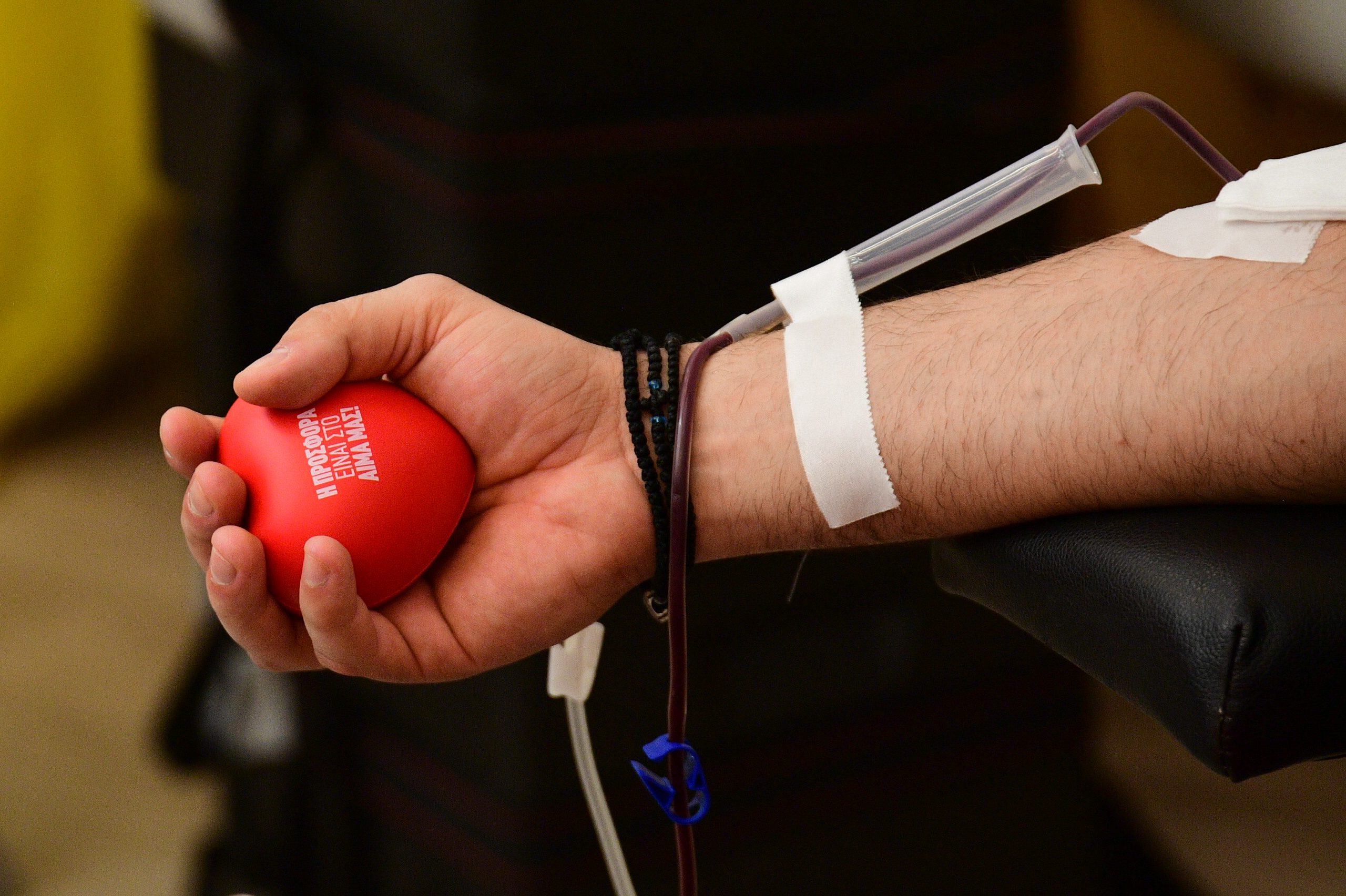
Cyprus has been facing persistent blood shortages for around two months, leading to repeated postponements of scheduled transfusions for patients with thalassaemia.
Doctors warn that these repeated delays could affect patients’ health, as they spend longer periods with low haemoglobin levels.
Non-financial incentives are being considered to encourage voluntary blood donation, including reductions in road tax, preferential parking arrangements and public transport benefits. Andri Panayiotou, head of the Blood Centre, said that despite an increase in the number of blood donors, supply is not keeping pace with growing demand. Staff shortages are also making it difficult to extend operating hours and organise more off-site blood donation drives.
The National Blood Strategy 2026–2030 is expected to be submitted to the Council of Ministers.
The Cyprus Association of Private Hospitals is calling for the General Healthcare System (GeSY) to cover the cost of consumables used in intraoperative blood recovery equipment, estimated at around €600 per procedure. The association says the method saves an average of four units of blood per use. It also proposes a unified electronic system to track and redistribute blood stocks between hospitals.
The National Blood Strategy 2026–2030 is expected to be submitted to the Council of Ministers. Its targets include maintaining national blood reserves sufficient for three to five days and reducing unnecessary transfusions by at least 30%, based on 2025 data. The strategy also includes measures to strengthen haemovigilance and systematically monitor blood use.
Source: Phileleftheros


 What is fyi.news?