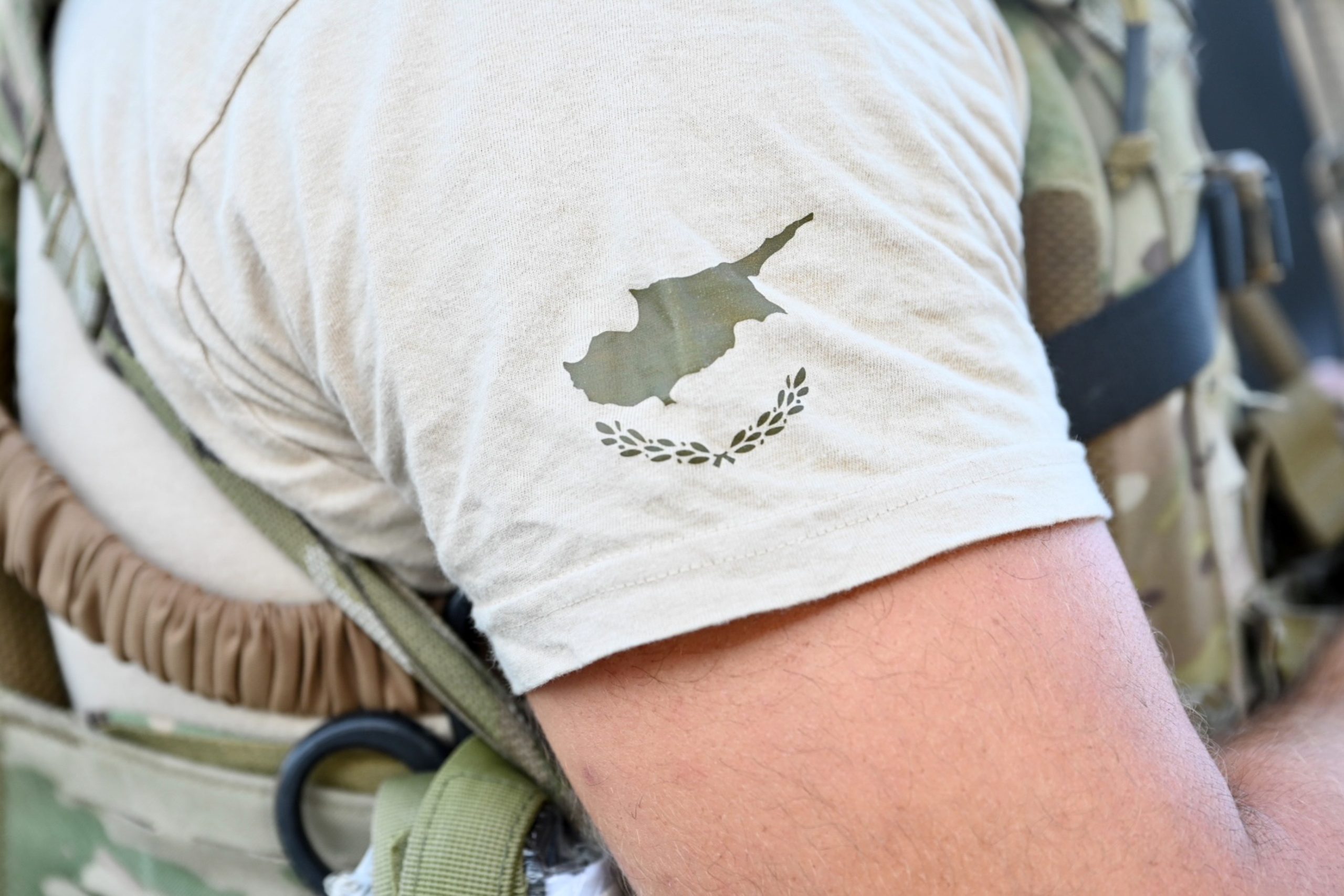
A report by Cyprus’s Audit Office identifies significant shortcomings in the provision of meals to conscripts in the National Guard, the country’s armed forces, according to Philenews, despite spending of around €9.5 million on food in 2025.
According to the report, many conscripts expressed limited satisfaction with the meals provided. Some 69% said they sometimes or daily buy products from military canteens, while 41% opt for food from outside the camp and 74% prefer not to eat at their unit before going out. At the same time, nearly seven in ten said their nutritional needs were met to a moderate or inadequate degree.
The report also identifies significant food waste and a mismatch between orders and actual needs. In some cases, the amount of food ordered exceeded the number of conscripts entitled to meals by as much as 42%. Waste was estimated at an average of 15% for prepared meals, 12% for frozen meals and 7% for meals prepared in military kitchens. According to the Auditor General, removing products that are regularly discarded could save around €520,000 a year.
Waste was estimated at an average of 15% for prepared meals, 12% for frozen meals and 7% for meals prepared in military kitchens.
Problems were also identified in food safety and oversight. During on-site inspections, hot food was measured at temperatures 15 to 25 degrees below the minimum threshold of 60°C. Shortcomings were also found in checks of thermometers and scales and in food-receiving procedures.
The report also highlights the lack of systematic nutritional planning, noting that the daily energy requirements of conscripts have not been precisely determined and that the nutritional composition of meals in terms of protein, fat and carbohydrates has not been analysed.
Source:Fileleftheros


 What is fyi.news?