What is fyi.news?
- Who are the Inuit?
- Their treatment has not always been good
- Forced contraception
- Was it genocide?
- Intent
- The UN Convention
- The apology
- Source


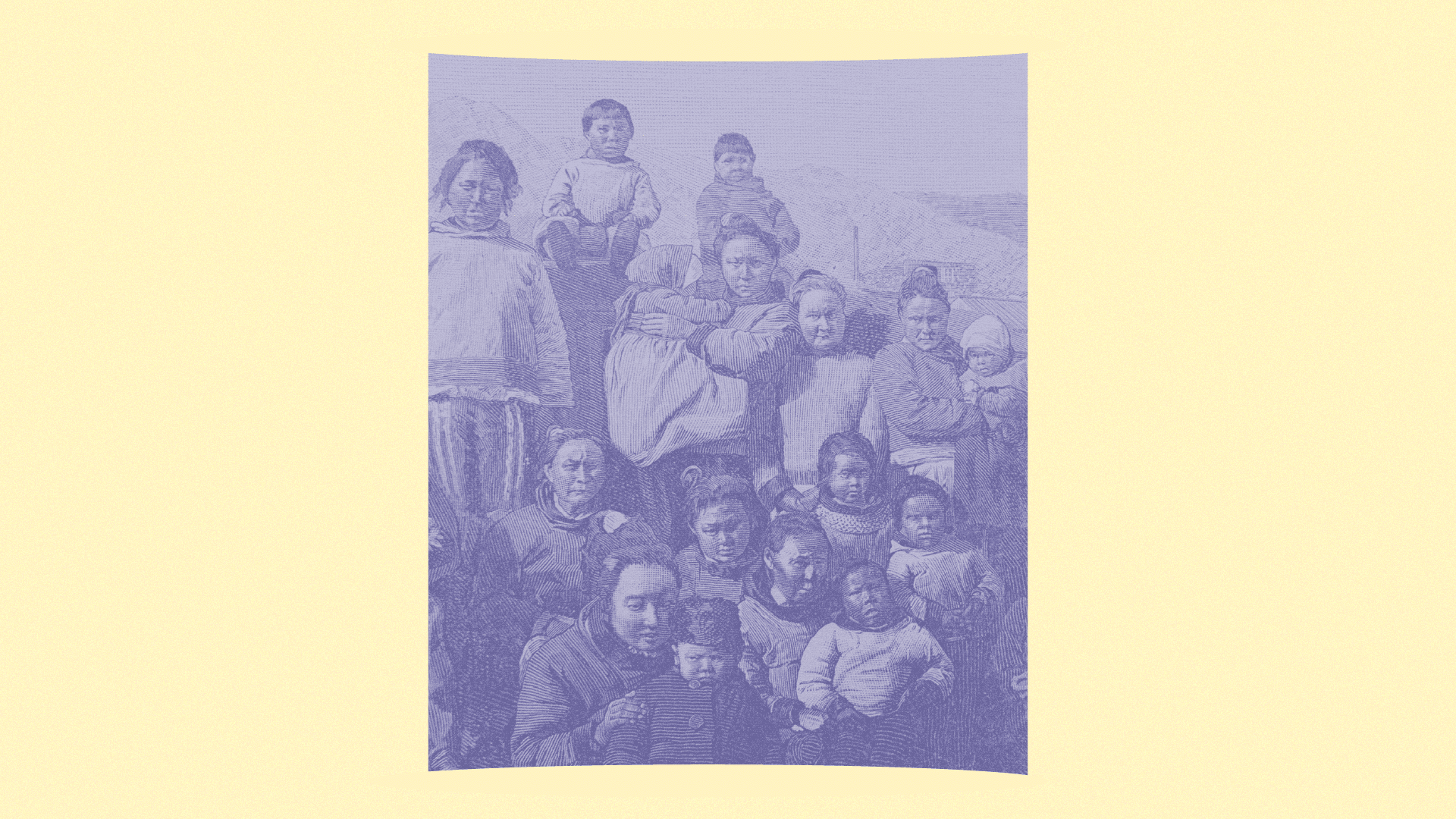


The Inuit are a group of culturally and linguistically distinct Indigenous peoples living in Arctic and sub-Arctic regions. Their population is estimated at more than 180,000.
They live mainly in Nunavut and other parts of Canada, Alaska in the US, Greenland, a self-governing territory within the Kingdom of Denmark, and Russia’s Chukotka Autonomous Okrug.
They use different names for themselves depending on the region they live in, the dialect they speak and their sense of identity.
In 1951, 22 Inuit children from Greenland were sent to Denmark to learn the language and adopt the Danish way of life. They grew up feeling alienated and returned with psychological trauma.*
During the 1960s and 1970s, fishermen were forcibly relocated to the capital in an effort to teach them new fishing methods. Many turned to alcohol or suffered from depression.
*Danish Prime Minister Mette Frederiksen publicly apologised for this in 2022.
Between 1966 and 1991, Denmark carried out a forced contraception campaign in Greenland aimed at limiting the island’s population.
More than 4,000 Inuit girls and women, some as young as 12, were fitted with intrauterine devices (IUDs) or given contraceptive injections, often without their knowledge or consent, according to a joint Danish-Greenlandic investigation published in 2025.
On Friday, August 28, the Greenlandic government published two expert reports examining whether Denmark’s actions amounted to genocide.
Both reports concluded that the practice:
Specifically, based “solely on the contraceptive practices,” the reports could not establish that “any authority or healthcare professional intended to destroy the Greenlandic population.”
An international court could potentially find genocidal intent if it also considered other alleged violations by Denmark in Greenland, as requested by Greenland’s Siumut party.
The UN Genocide Convention* prohibits, among other acts, measures intended to prevent births within a national, ethnic, racial or religious group.
One of the reports found that Denmark had violated the Convention by failing to act in the face of a risk of genocide, despite having been warned as early as 1969 of the serious risk that the programme could amount to preventing births within a group.
*Denmark ratified the Convention in 1951.
In 2025, Denmark’s prime minister apologised to the women who, she said, had been subjected to “systematic discrimination,” while Greenland’s prime minister apologised for cases that occurred after Greenland took control of its healthcare system in 1992.
On Thursday, August 27, Denmark passed a compensation law providing 300,000 Danish kroner ($46,758) to each woman affected.