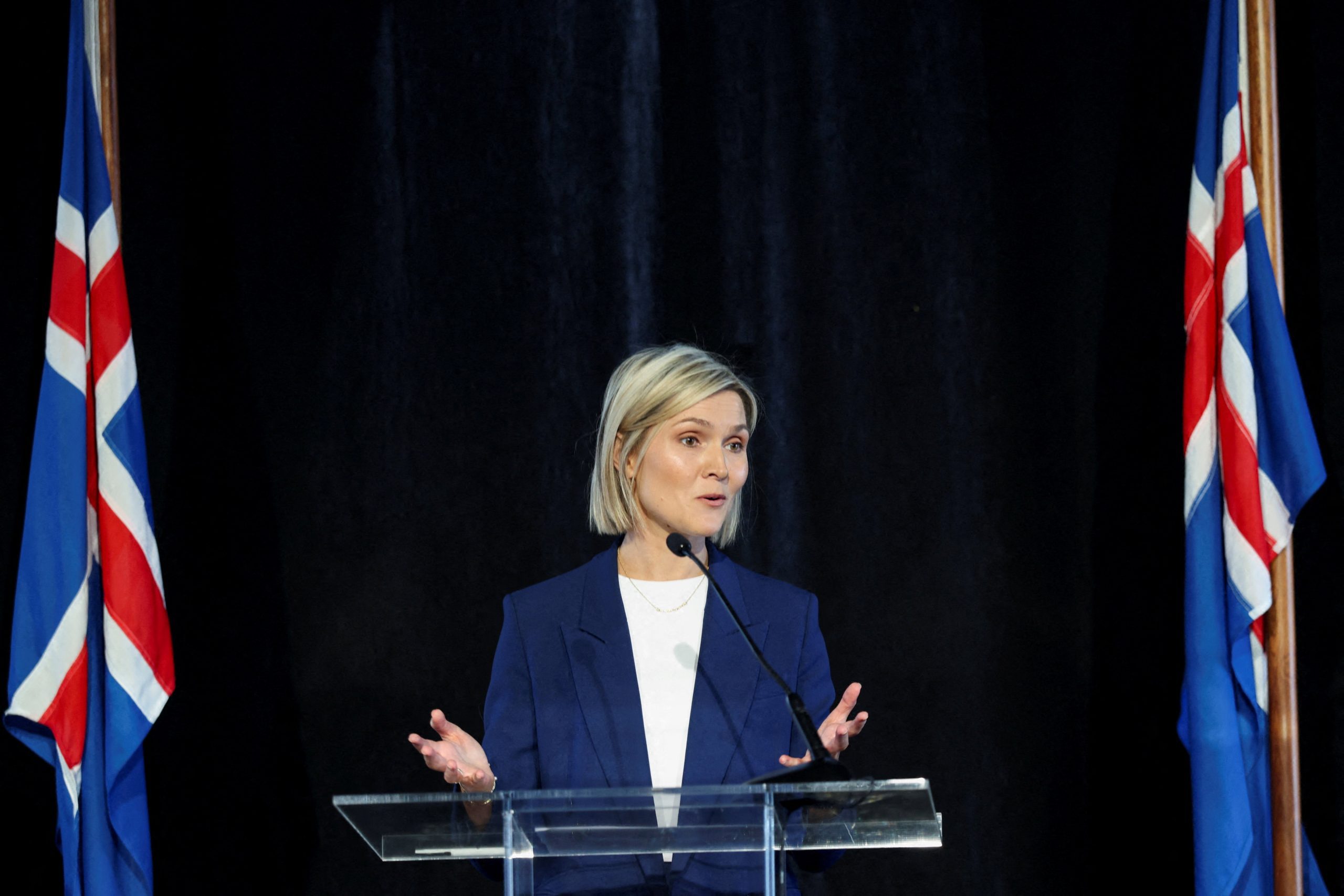
Yesterday, Icelanders voted “no” in a referendum on whether to resume negotiations to join the EU, by 52.8% to 47.2%.
The “no” vote prevailed largely because of concerns that EU membership could reduce Iceland’s fishing output due to European quotas. Fishing accounts for 15% of the country’s GDP and 40% of its export revenue.
The “yes” campaign argued that, as a member of the European Economic Area, Iceland is already required to adopt many rules that it has no say in shaping. It also argued that adopting the euro could help reduce the country’s particularly high cost of living.
EU fishing quotas are annual limits set by the EU on the amount of fish that can be caught.
Another argument in favour of membership was security, given the wars in Ukraine and the Middle East, as well as Trump’s threats toward neighbouring Greenland. Iceland is a member of NATO but does not have its own military.
Iceland first applied to join the EU in 2009, but its government ended the negotiations in 2013.
The country has continued to debate EU membership for more than a decade and was initially expected to narrowly approve the resumption of accession talks. However, polls this month showed that public opinion had shifted.
Sources: Reuters, Politico


 What is fyi.news?