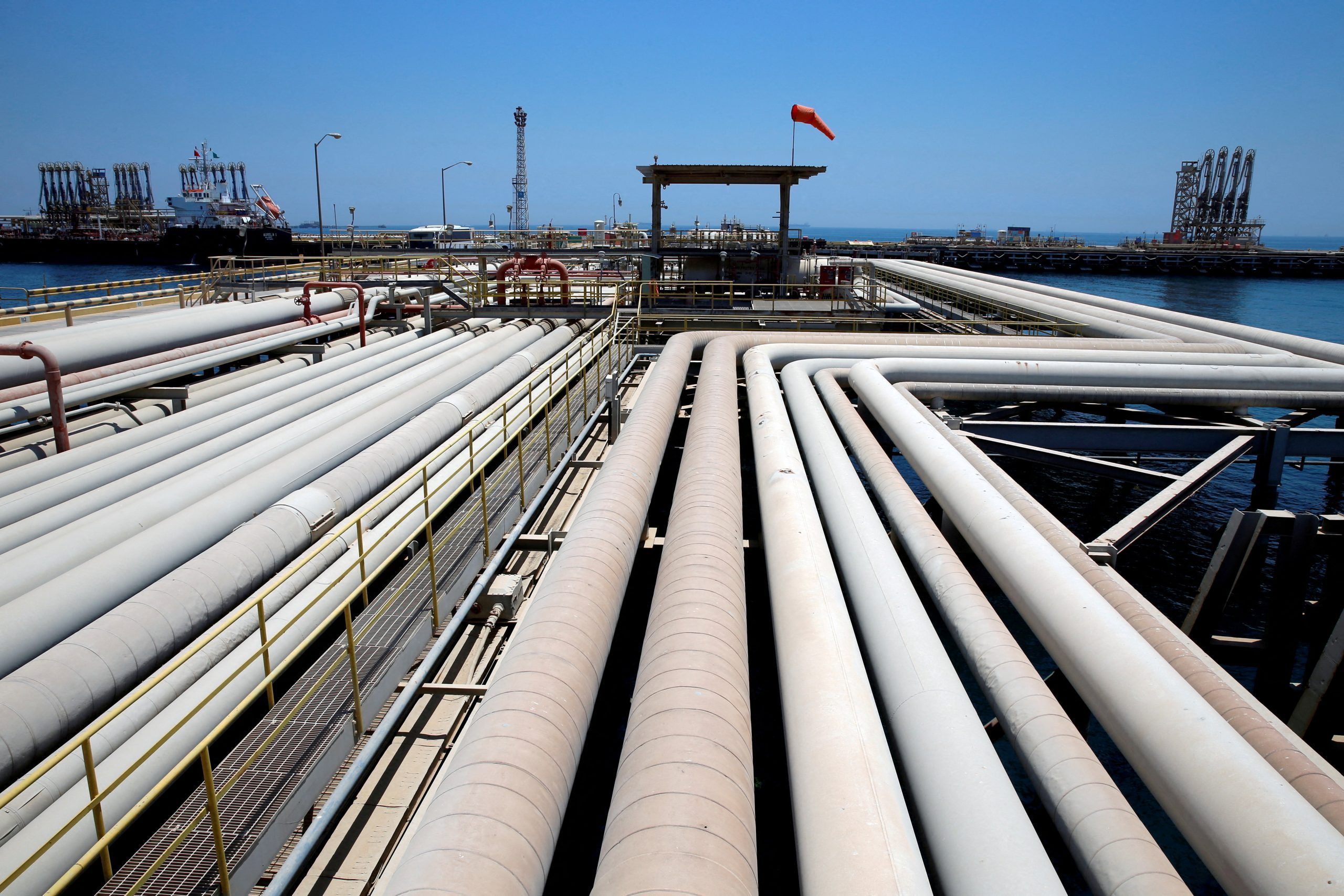
Eight of the world’s largest oil companies reported combined profits of nearly $93 billion in the April–June 2026 quarter, as the Iran-US conflict triggered a sharp disruption in fossil fuel supplies and pushed oil prices above $126 a barrel, according to an analysis by The Guardian.
The combined profits of Saudi Aramco, ExxonMobil, Chevron, Shell, BP, Equinor, TotalEnergies and Eni were nearly double the roughly $50 billion recorded in the same quarter of 2025. Together, the companies earned more than $700,000 a minute, while their combined market value increased by about $600 billion to more than $3 trillion.
Saudi Aramco reported the highest profit, with net income of more than $33 billion, up 34% from a year earlier. ExxonMobil posted $14.5 billion, about double its profit a year earlier, while Chevron’s earnings rose more than fivefold to $12.2 billion. Shell reported $9.84 billion, its second-highest quarterly profit, while BP posted $5.73 billion, up from $2.5 billion in the previous quarter. Equinor’s profit increased from $1.8 billion to $3.2 billion.
Saudi Aramco has been linked to more carbon emissions than any other company in history, followed by Chevron and ExxonMobil.
The increase was driven mainly by higher oil and natural gas prices, as fears of supply shortages and damage to energy infrastructure tightened global supply. The companies, however, say higher production is needed to stabilise the market and ease supply shortages.
The rise in profits comes as the burning of oil, natural gas and coal continues to drive climate change, increasing the frequency and intensity of extreme weather events such as heatwaves, droughts and wildfires. Scientific research indicates that emissions from the world’s largest fossil fuel companies have contributed to deadly heatwaves that would have been highly unlikely without human-caused climate change.
Environmental groups argue that part of the windfall profits should be used to support the green transition and help protect communities from the impacts of the climate crisis.
Source:The Guardian


 What is fyi.news?