On 08.06, a video shows a man attacking another man with a knife in Belfast, Northern Ireland.
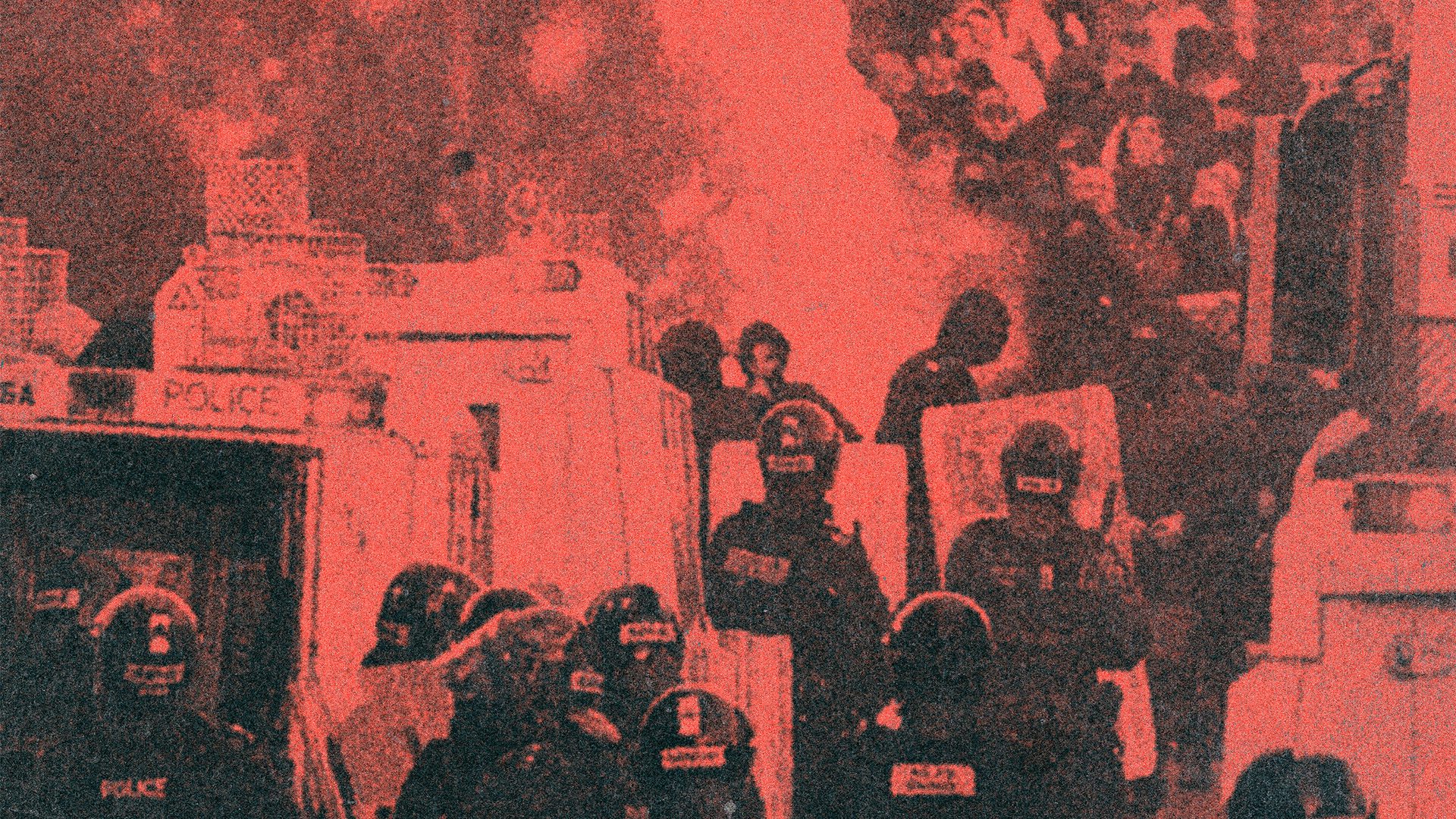
The victim ultimately lost his left eye and the man was arrested, while in far-right circles the focus immediately shifted to his origin: he is a refugee from Sudan. Pogroms followed in Belfast, targeting refugees, migrants, citizens of different backgrounds, and Black people.
Migrant communities, such as the Greek community, warned of the risk of attacks against their citizens.
The real numbers
There are no precise figures on how many refugees and migrants cross into Northern Ireland through the border with Ireland.
However, the available data for Belfast show that asylum seekers receiving state support make up just 0.47% — 1,607 people — of the city’s population, while foreign nationals born outside the United Kingdom and Ireland make up 9.83%, or 33,949 people.
Disinformation
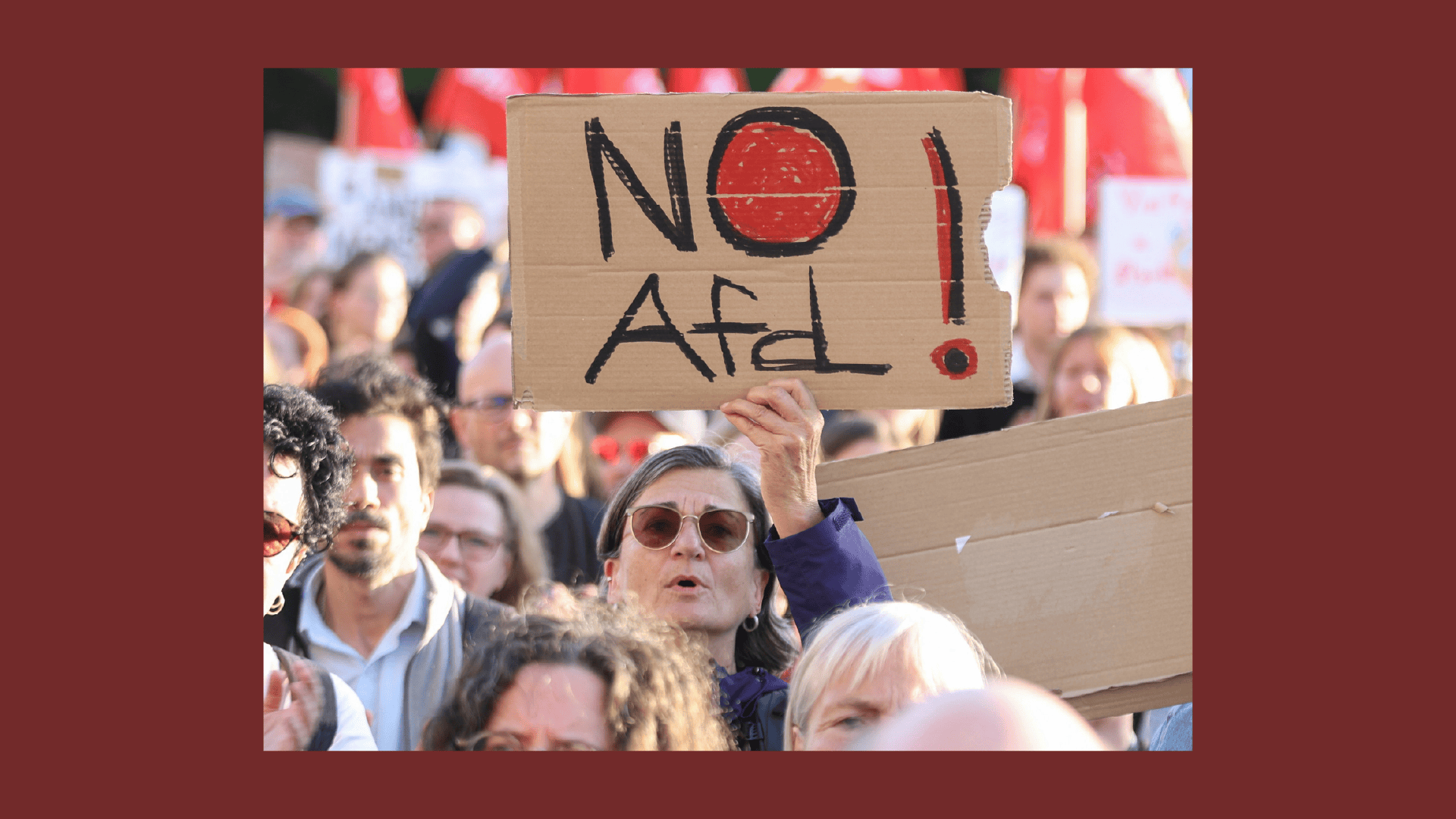
Disinformation and the spread of fake news, such as the claim that “asylum seekers have priority access to public services,” strengthen anti-migrant hostility.
At the same time, politicians speak of citizens’ “reasonable concern” on the basis of such claims, and many media outlets fail to refute them.
As a result, they take root in society and fuel anti-migrant hostility, especially in areas such as Northern Ireland, where 17% of the population lives in poverty.
How Belfast is divided
The attack by the Sudanese man and the pogroms broke out in areas where many Protestants live: “Unionists,” meaning those in favour of Northern Ireland remaining in the United Kingdom, and Loyalists, who are more “militant.”
Meanwhile, since the “Troubles” in Belfast — a civil conflict from the late 1960s to the late 1990s, between Protestants and Catholics, Republicans, who support a united Ireland — walls have existed that “separate” the areas of the two sides.
Attacks against migrants BEFORE the attack by the Sudanese man
Although after the “Troubles” the clashes between the two sides decreased, they did not disappear, while many Unionists and Loyalists openly express far-right rhetoric and have a history of violence against migrants/refugees.
Attacks had been taking place long before the attack by the Sudanese man and, in fact, a few days before the incident, videos had been posted on TikTok from Belfast showing British people keeping watch in case they saw a “foreigner,” in order to attack them.
The months-long warnings about these attacks
A monitoring group had repeatedly warned the Police Service of Northern Ireland, between November 2025 and June 2026, that far-right actors were spreading on social media the addresses of homes where refugees and migrants were living.
Some of the home addresses they publicised became targets of the attacks of the previous week.
One post read: “Anyone caught funding or helping these animals to be housed will be condemned as equally guilty.”
The anti-immigration agenda
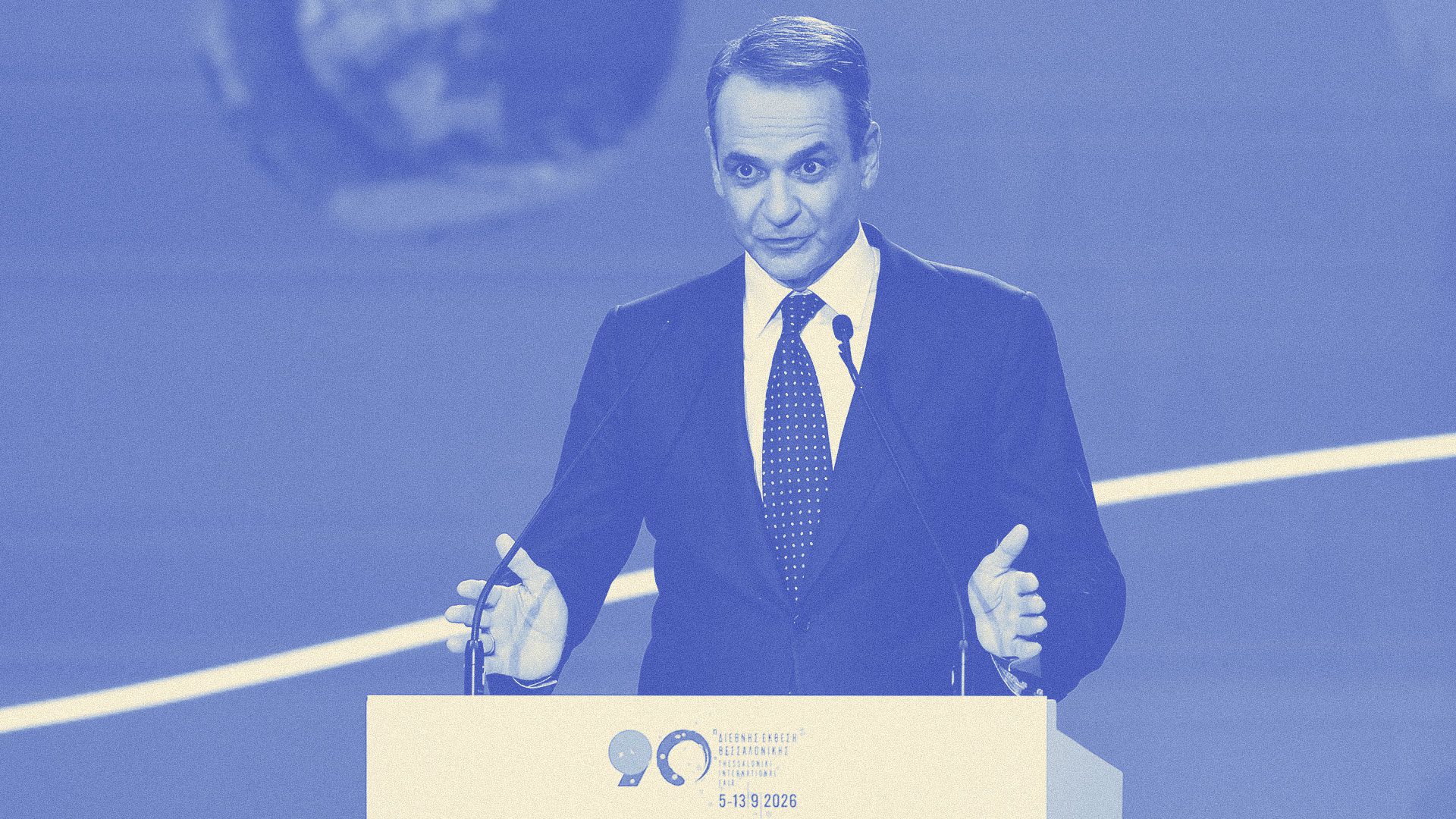
The far right, in reality, found an opportunity to promote its anti-immigration agenda, while far-right figures such as the British politician from England, Nigel Farage – whom polls show is gaining ground ahead of the next UK parliamentary elections – also turned their “attention” to the island.
Farage specifically “demanded” that the perpetrator’s origin be made known as soon as the video was published.
Social media as a “weapon” for the attacks
Despite the warnings, and despite the fact that the incidents had been clearly announced in advance on social media, the authorities failed to stop them.
The call circulated in WhatsApp chats and Telegram groups, where people were urged to gather at various locations in Belfast: “Wear dark clothes,” one message said, “and be ready to fight or be arrested.”
On X, Elon Musk reposted the planned “protest” locations.
Unionists found an opportunity to raise the issue of open borders
Meanwhile, politicians such as G. Robinson of the DUP* raised the issue of closing the largely open border between Northern Ireland — part of the United Kingdom — and Ireland, an independent state, because this was the route followed by the Sudanese man and other refugees/migrants.
With the peace agreement that ended the Troubles — the Good Friday Agreement, 1998 — these borders were demilitarised and checks stopped being strict, which had been a demand of the Republicans.
*Democratic Unionist Party


 What is fyi.news?