What is fyi.news?
- The Blues of the Sahara
- The unbelievable story
- How it all started
- Gadhafi’s role
- The boys of the desert
- Disillusionment
- From battlefields to luxury life
- The capture of Tinariwen
- Opposite paths
- Sources


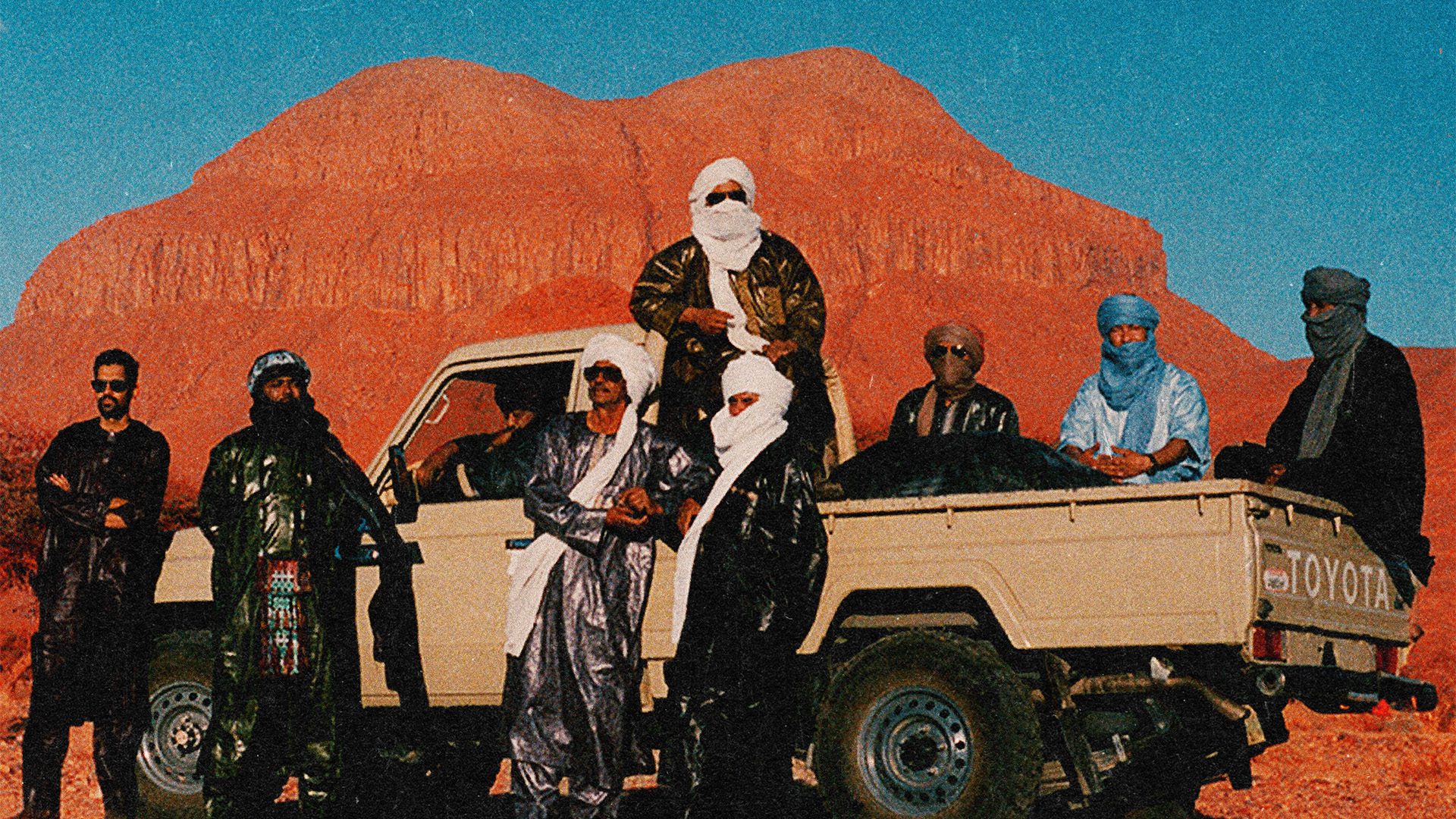

In the 1980s, Iyad Ag Ghali was writing lyrics and playing percussion with Tinariwen, a unique band whose music could be described as “desert blues.”
Over the years, Tinariwen left the Sahara and their homeland of Mali and began touring, performing at some of the world’s biggest festivals.
Ag Ghali, on the other hand, stayed behind and became the leader of JNIM, one of Al-Qaeda’s most dangerous affiliates, accused of being responsible for the deaths of tens of thousands of people.
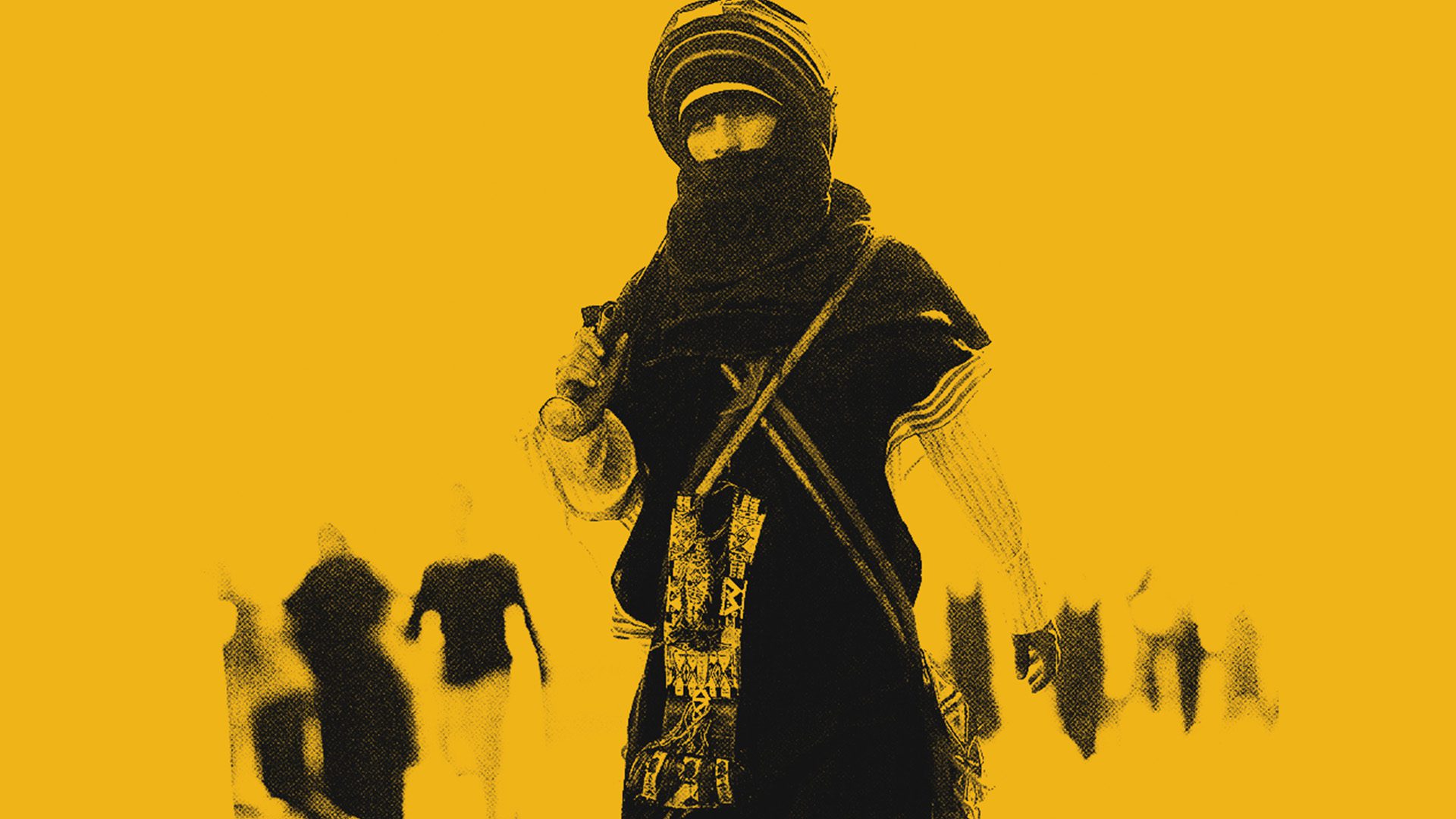 (Wikipedia/Amine loua/Own work/fyiteam)
“It was shocking to see him in videos walking among corpses,” said a former manager of the band and old friend of Ag Ghali.
West Africa has turned into a vast battlefield where the West, Russia and local governments are fighting against Ag Ghali’s thousands of militants.
Today, jihadists are seeking power in Mali and Burkina Faso, which could become the first two countries in the world to be ruled by Al-Qaeda.
As a young man, Ag Ghali identified first as Tuareg and then as Muslim.
The Tuareg are a nomadic people (Berbers) of the central and southern Sahara, spread across Mali, Burkina Faso, Niger, Algeria and Libya.
They resisted the French for nearly 70 years and, when Mali gained independence in 1960, they organized a failed uprising against the country’s new government.
Ag Ghali was only nine years old when his father — a leading Tuareg figure — was killed during the rebellion.
When he came of age, Ag Ghali joined the Libyan army alongside other Tuaregs under the country’s leader, Moammar Gadhafi, pursuing independence from Mali.
Gadhafi used the Tuaregs to advance his own interests, sending them to fight in Lebanon and Chad.
In the 1980s, Gadhafi assigned Ag Ghali to supervise new Tuareg recruits, where he met guitarist Ibrahim ag Alhabib, whose father had also been killed during the Mali uprising.
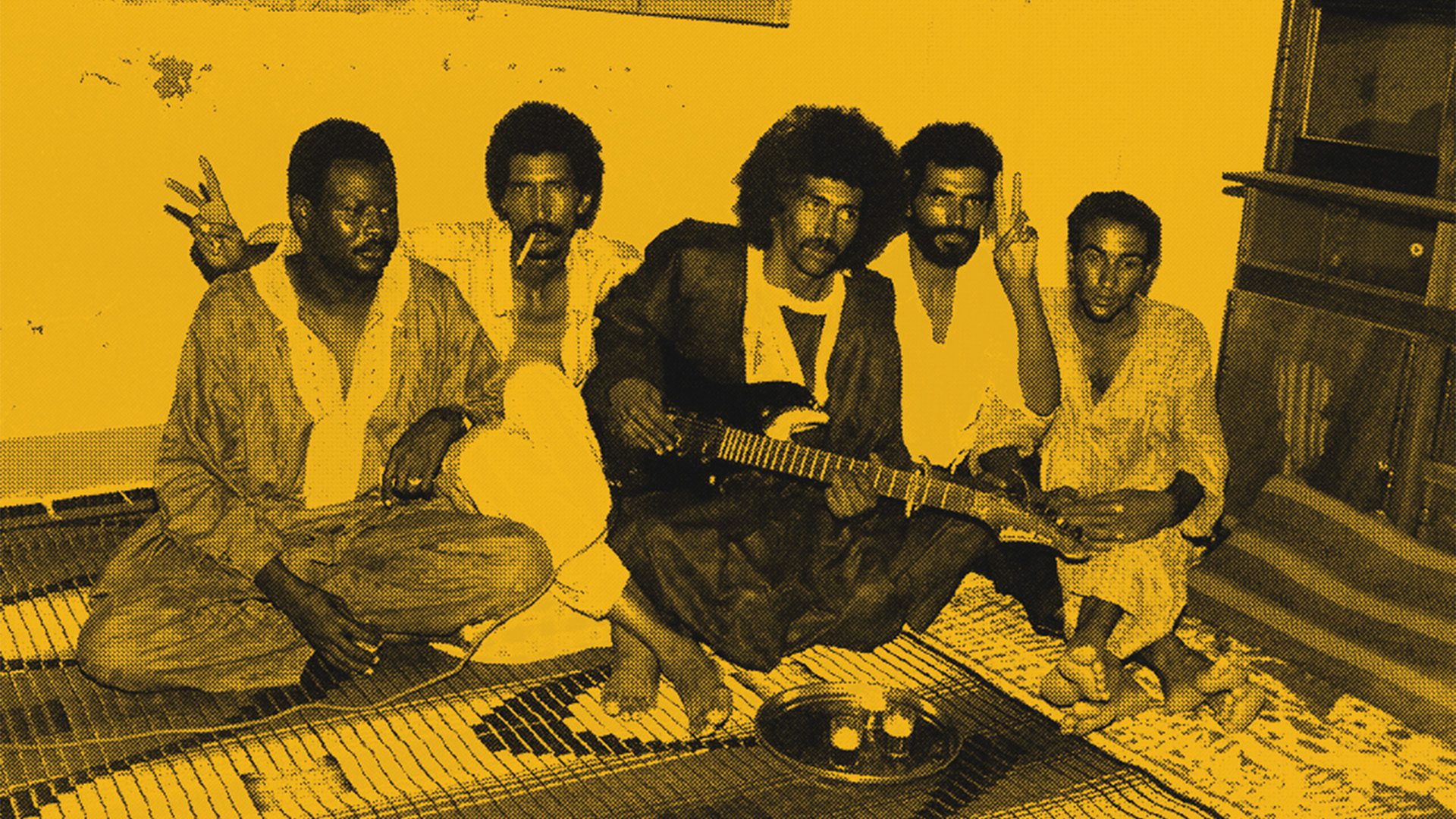 (Tinariwen website/fyiteam)
Ag Alhabib and the other Tuareg musicians used to play music in the camp courtyard.
Ag Ghali saw music as a “vehicle” for Tuareg independence, so he gave them instruments and offered them a storage room for rehearsals, while also writing the lyrics for the iconic song “Bismillah.”
The band they formed was called “Kel Tinariwen,” or “the boys of the desert.”
Ag Ghali eventually broke with Gadhafi, who continued putting his own interests above Tuareg independence, and in June 1990 crossed from Libya into Mali with his fighters.
They fought during the day and sang at night, while pirated cassette tapes of “Bismillah” circulated hand to hand across Mali, turning the song into an anthem of the Tuareg liberation movement.
“Tinariwen were behind the uprising,” the band’s bassist would say years later.
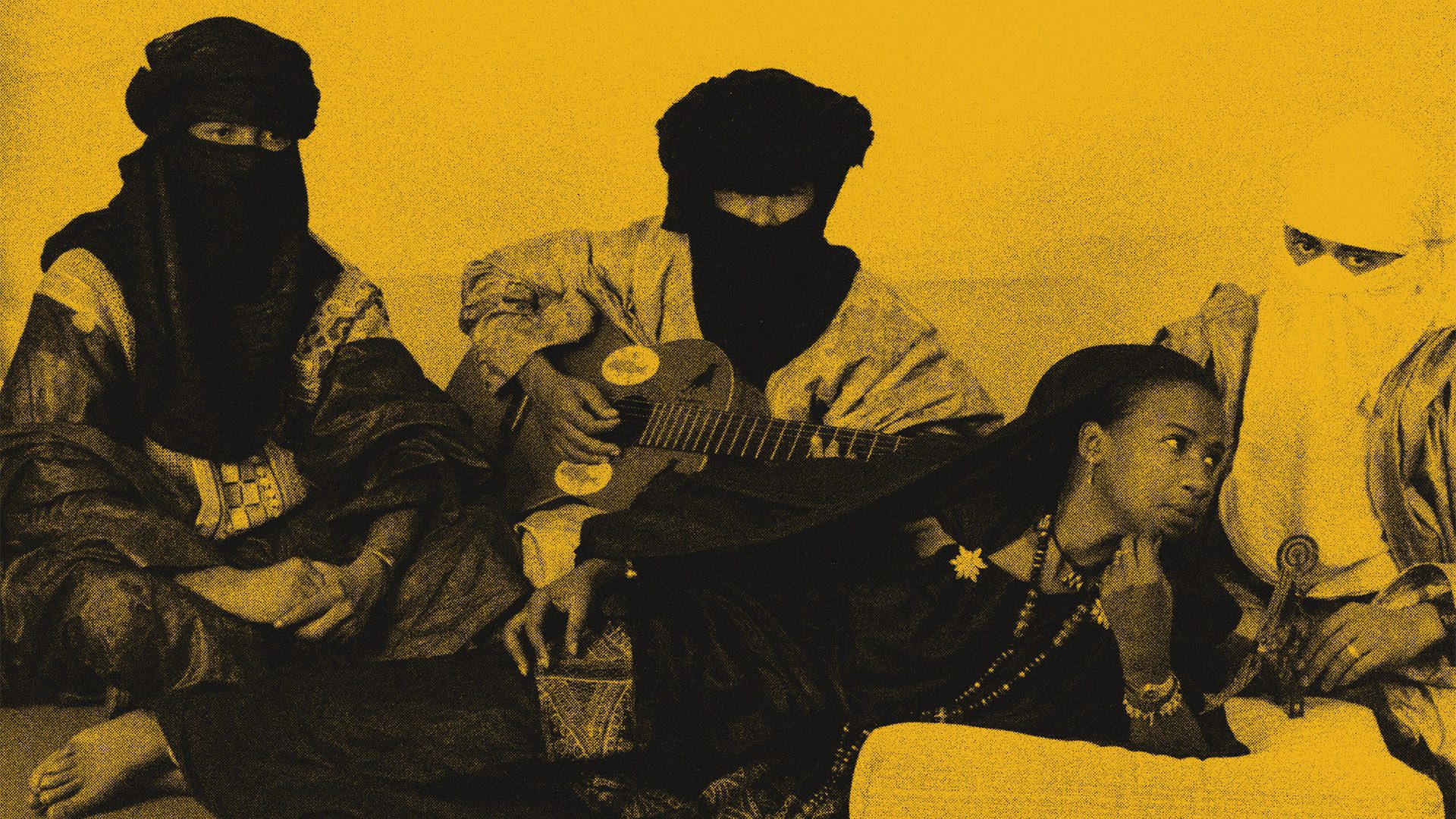 (Tinariwen website/fyiteam)
In 1991, Ag Ghali secured an agreement that led to greater autonomy for the Tuaregs in Mali.
Over the following years, Ag Ghali traveled the world as an unofficial partner of the Malian government, while also promoting Tinariwen’s music.
That lasted until 1999, when he came into contact with a group of conservative Islamic missionaries who changed his worldview.
In the years that followed, he renounced the musical culture he had once promoted.
In 2012, Ag Ghali’s fighters seized northern Mali, banning music and imposing strict social rules, while a year later they briefly detained members of Tinariwen.
In 2017, he united Al-Qaeda satellite groups under JNIM, which has since expanded across Mali, Burkina Faso and Niger.
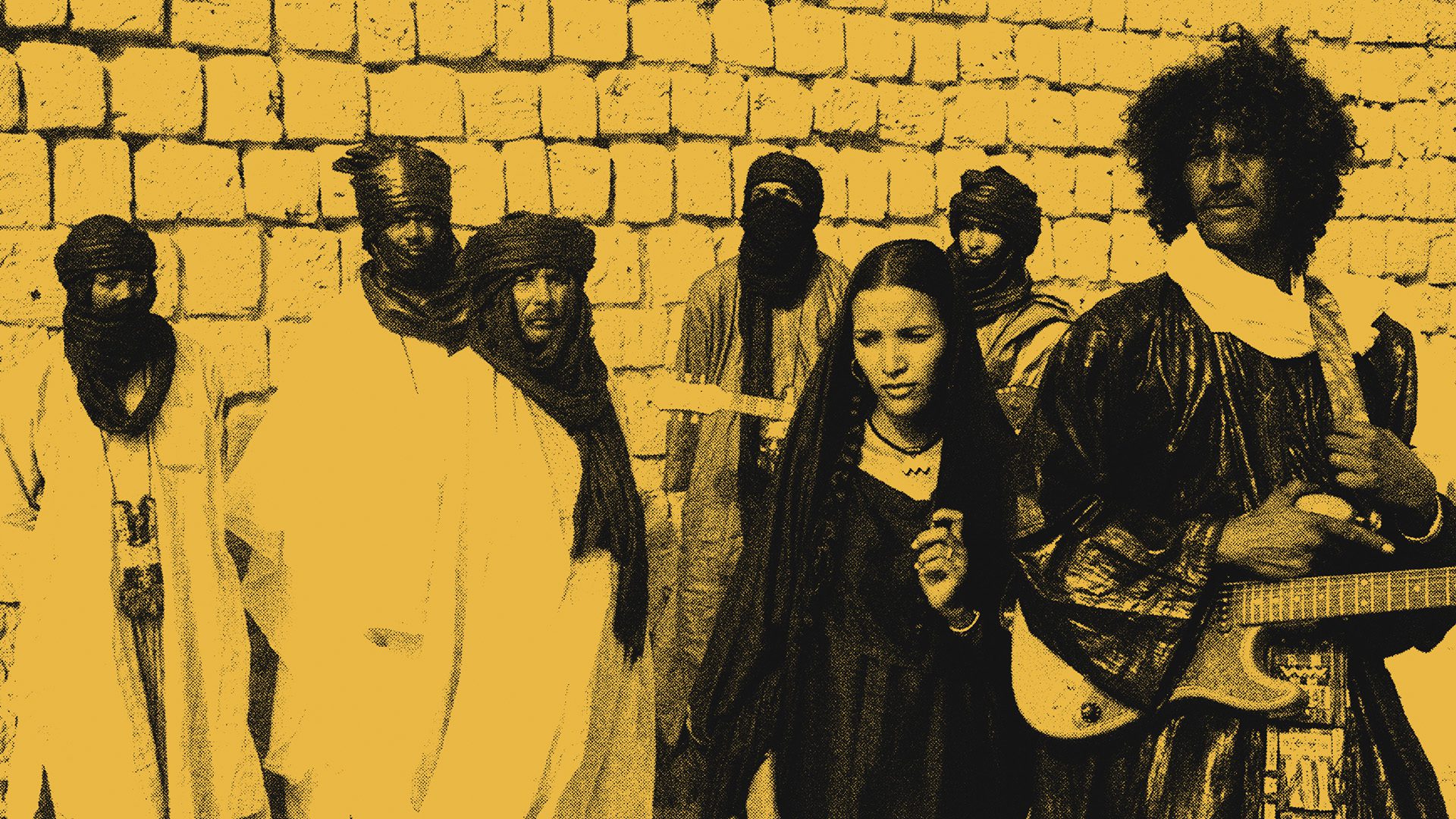 (Tinariwen website/fyiteam)
Although in June 2024 the International Criminal Court in The Hague issued an arrest warrant for Ag Ghali, accusing him of war crimes and crimes against humanity, he remains free.
Tinariwen, on the other hand, won a Grammy and continue performing concerts around the world, including this year’s tour across Europe, Japan and Canada.