Inflation in Greece surged to 5.4% in April, up from 3.9% in March, according to data from the Hellenic Statistical Authority, marking a monthly increase of 1.5% and signaling a new acceleration in the cost of living. In practical terms, this means that households’ purchasing power is shrinking: with the same amount of money, people can now buy fewer goods and services than they could a year ago.
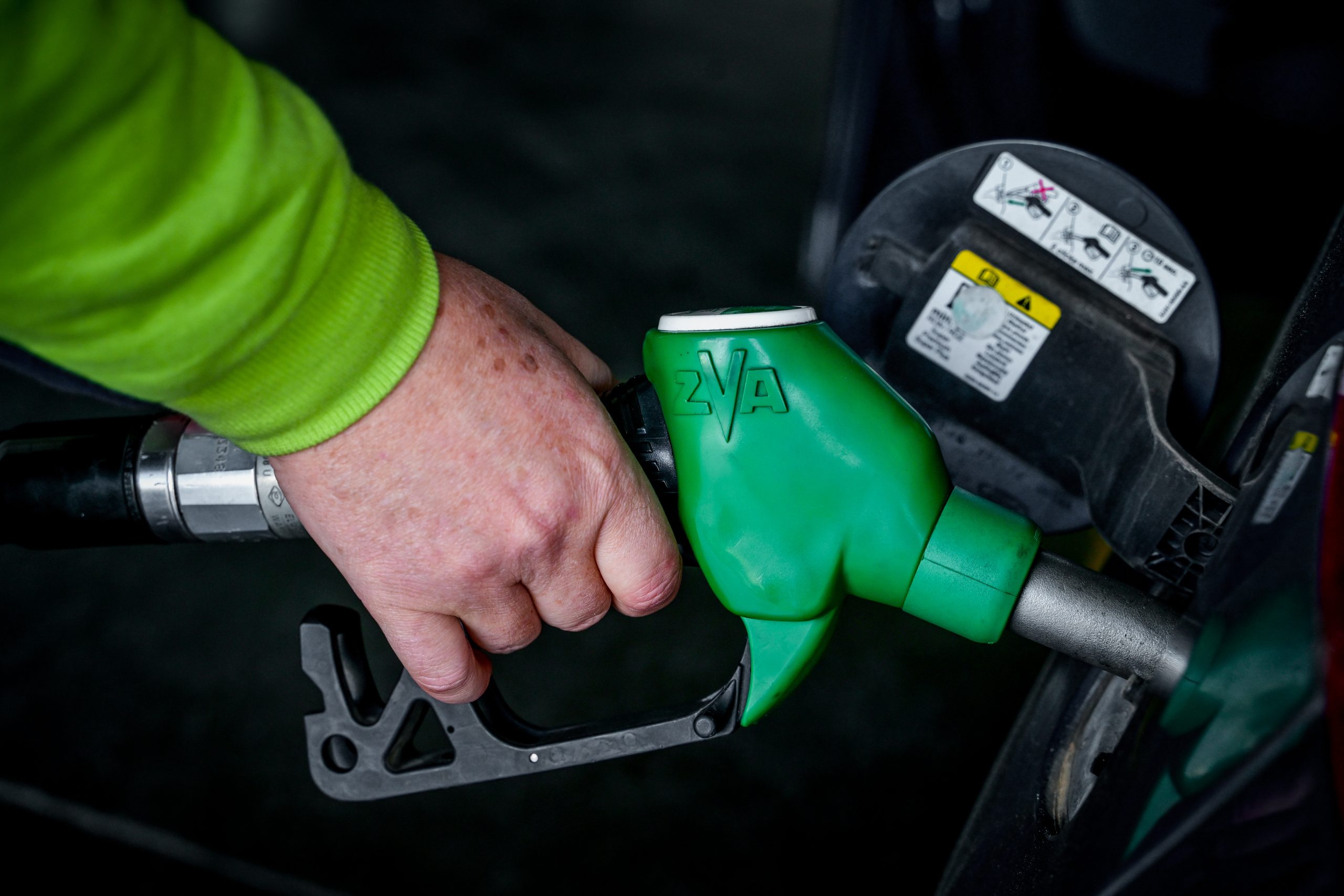
The main driver behind the increase remains energy and transportation costs. Heating oil recorded an annual increase of 53.2%, diesel fuel rose by 32.4%, and other fuels by 42.4%, while increases were also seen in natural gas (+19.3%), gasoline (+17.1%), and electricity (+14%). The transportation sector as a whole increased by 10%.
Inflation is the continuous rise in prices over a period of time, causing a decline in purchasing power (for example, someone with €1 can buy less today than yesterday).
At the same time, price increases in food remain strong, especially in basic grocery items. Beef prices rose by 19.2%, lamb and goat meat by 13.3%, margarine and vegetable fats by 11.6%, while significant increases were also recorded in fruit (+7.5%), vegetables (+7.1%), and coffee (+7.9%).
Housing costs increased overall by 13.8%, while restaurants and hotels recorded a 6.1% rise, confirming that inflationary pressures are now spreading across the entire spectrum of everyday consumer spending.
Source: ΕLSTAT


 What is fyi.news?