Iran rejected the U.S. 15-point plan to end the war, considering it “excessive,” as it includes terms such as reopening the Strait of Hormuz and Iran’s commitment to never acquire nuclear weapons. Instead, it proposed its own framework of five conditions, which includes:
- A complete halt to attacks and targeted assassinations by the United States and Israel.
- The establishment of mechanisms to ensure that the war will not recur.
- Compensation for the damages caused during the war.
- An end to all U.S. and Israeli attacks against Hezbollah in Lebanon and pro-Iranian militias in Iraq.
- International recognition and guarantees for Iran’s control over the Strait of Hormuz.
Israel announced that it killed A. Tangsiri, head of the Iranian navy and responsible for the closure of the Strait of Hormuz.
At the same time, the two sides are sending conflicting signals about the progress of the talks. Iranian officials accuse the U.S. of “negotiating with itself” and say the war will end “only on Tehran’s terms and timeline.” In contrast, the American side speaks of “productive” contacts through intermediaries, while Donald Trump stated that Iran is “afraid” to admit that it is negotiating.
Meanwhile, Washington is strengthening its military presence in the region, keeping the possibility of further escalation open. As reported by the Washington Post, approximately 2,000 paratroopers have already been deployed to the Middle East, while additional forces are heading to the region.
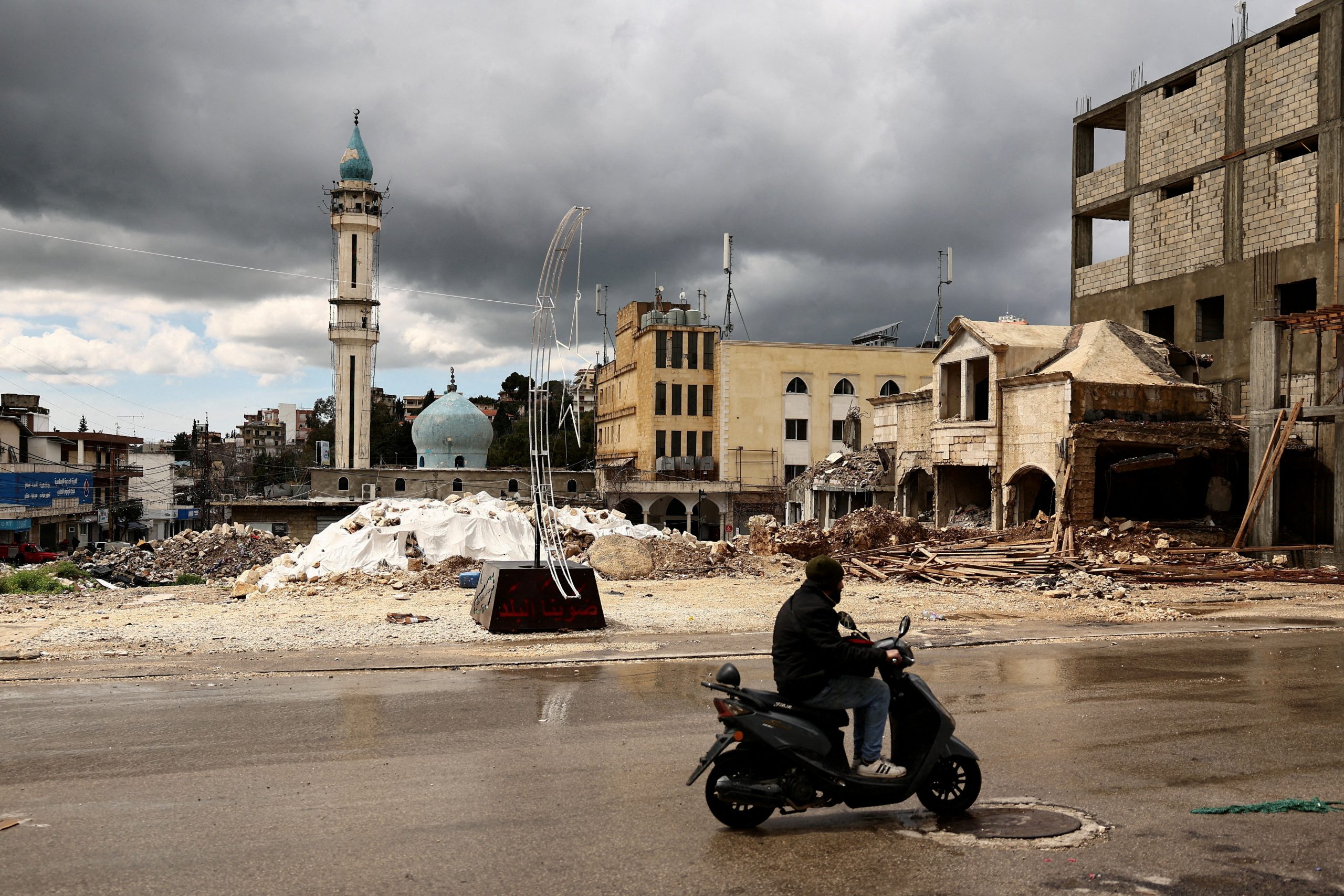
On the ground, bombings and attacks continue with a high human cost. In Iran, 1,500 people have been killed; in Lebanon, more than 1,100, while Israel has targeted 128 healthcare units in the country since March 2. Additionally, two people were killed by debris from a downed missile in Abu Dhabi, which is believed to have originated from Iran.
Sources:Al Jazeera, Axios, BBC, Washington Post


 What is fyi.news?