(EUROKINISSI)

Plevris’ “national security” puts the lives of political refugees at risk

Add your Headline Text Here
@fyinews team

26/03/2026

Copy link
fyi:
  1. In recent years, there has been an increase in asylum revocations, but since June 30, 2025—when Thanasis Plevris took over the Ministry of Migration and Asylum—the numbers have surged.
  2. Anastasios Koutsogiannis documents the case of Kurdish political refugee Baris Erkus, whose asylum status is being re-examined as part of the tightening of revocations on “national security” grounds. Together with his lawyer, Voula Giannakopoulou, they highlight the risks faced by political refugees, while the report also includes a statement from the Deputy Director of the Asylum Service, Nikos Giannakopoulos.
  3. The photographs are by Katerina Paspaliari.

By Anastasis Koutsogiannis

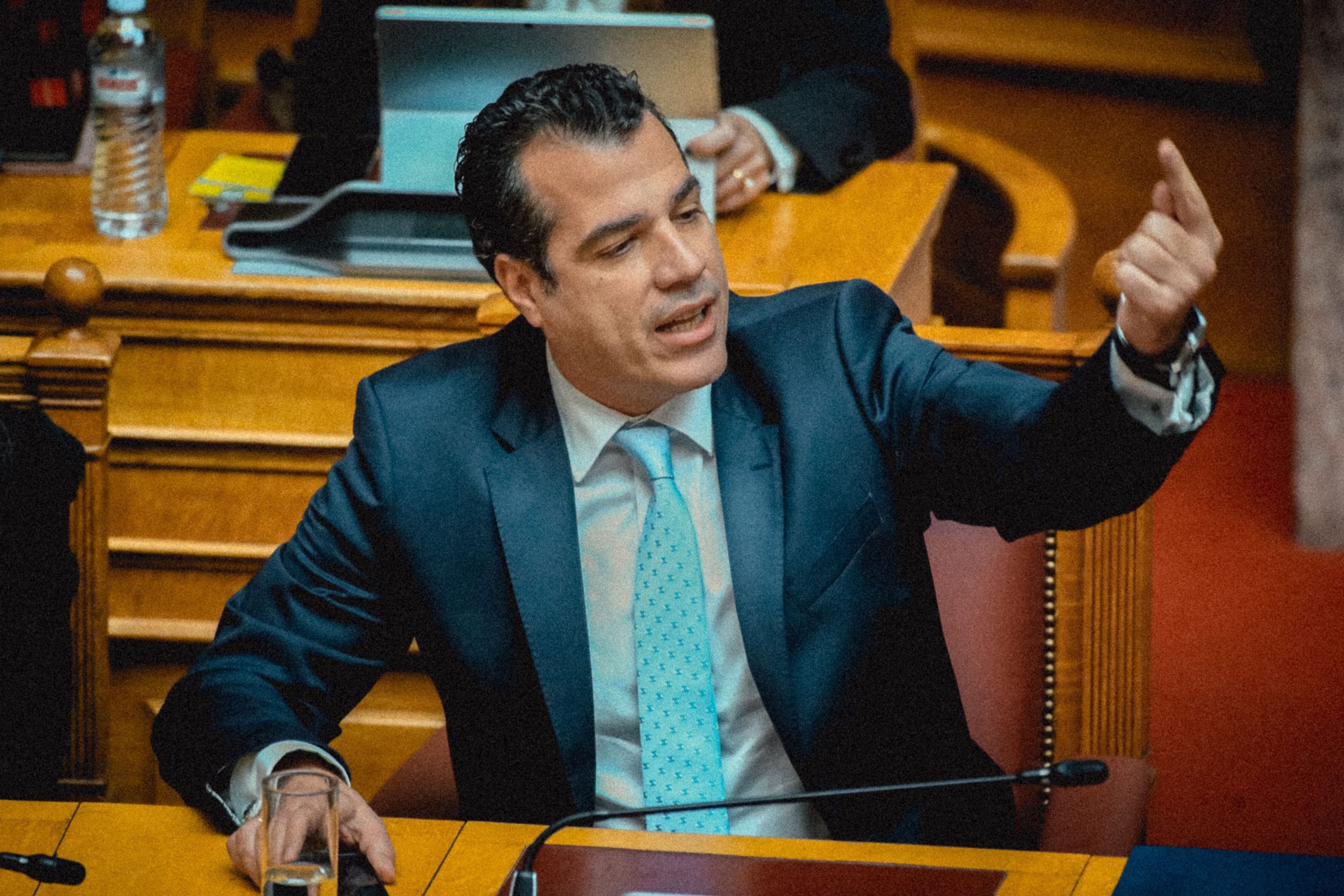
“During the period 2015–2019, there were only 19 cases of asylum revocations. During the term of the New Democracy government, we have had 595 revocations, and from the beginning of this year until June I expect we will exceed one thousand asylum revocations,” said Thanasis Plevris in Parliament in late February.

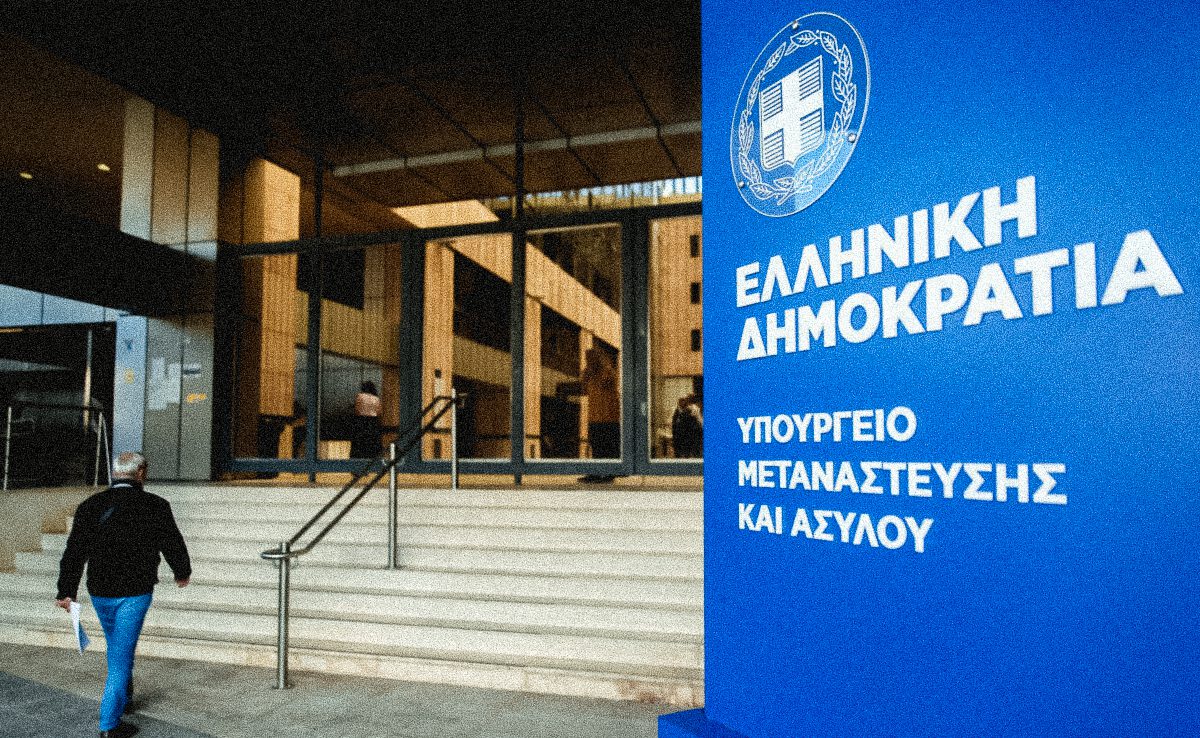
In recent years, there has indeed been an increase in asylum revocations, but since June 30, 2025—when Thanasis Plevris took over the Ministry of Migration and Asylum—the numbers have surged.

A victim of Plevris’ policy is also Javed Aslam, president of the Pakistani community in Greece for 21 years, for whom the Asylum Service ruled on March 17 that “the reasons for which international protection had initially been granted no longer apply.”

For reasons of “national security”

(Photo by Katerina Paspaliari)

As early as last December, dozens of Turkish political refugees living under international protection in Greece received an email stating that their asylum status would be reassessed for reasons of “national security.”

“We inform you that, in accordance with Article 96 of Law 4939/2022, the Asylum Service will reassess the international protection status granted to you, as, following classified document no. 181/20.10.2025, it appears that there may be grounds for its revocation, on the basis that you are considered a threat to national security (Article 13, para. 4a of Law 4939/2022),” the email stated.

“The revocation of asylum is not based on any criminal case file against them. It is based on a document from the National Intelligence Service invoking ‘national security’ reasons, which is so… classified that it is not disclosed even to the judges who must assess whether these reasons are serious enough to justify revocation,” explains lawyer Voula Giannakopoulou.

“What is striking is that, together with some colleagues, we discovered that the same protocol number is being used to request the revocation of asylum for more than one person,” she adds.

The case of Baris Erkus

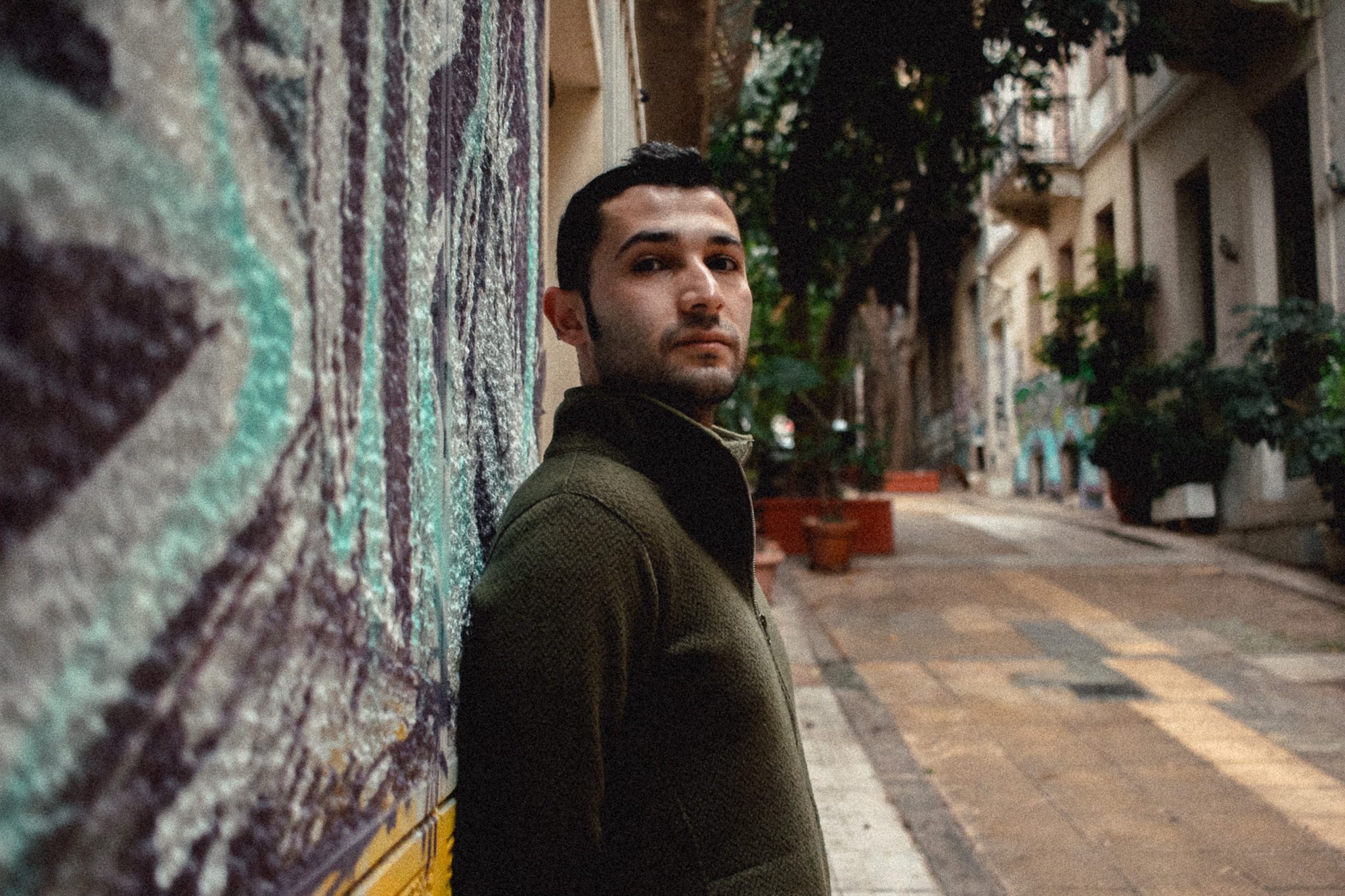
(Photo by Katerina Paspaliari)

Baris Erkus is one of dozens of Turkish political refugees whose protection status is under review. He came to Greece in 2019 and was granted asylum, as it was determined that he was persecuted in Turkey due to his political beliefs and Kurdish origin.

“I am targeted by the Turkish authorities because of my political identity and activity,” Baris tells fyi.news.

During his years in Greece, he has successfully integrated into society. He works steadily, speaks Greek very well, and has developed a wide social network, actively participating in daily social life.

“Due to my anti-government activity, I have been persecuted in Turkey since I was 14. I was forced to leave school in Malatya and move to Istanbul, where I continued my political activity. Arrests and torture followed, and the Erdogan regime placed a bounty on me,” he continues.

Today, he is among those labeled as “enemies” by the Turkish state, and his name appears on an official website of the Turkish Ministry of the Interior, alongside others designated as “terrorists.”

“This means you automatically become a target for anyone—from far-right organizations like the Grey Wolves to even more extreme armed groups such as ISIS. In such an environment, your life can be put at risk without any consequences for the perpetrators,” explains Giannakopoulou, who is handling his defense.

“My case highlights the broader issue of protecting political refugees who have fled authoritarian regimes. For many of us, returning to Turkey is not merely an administrative matter, but a real threat to our freedom and safety,” Baris concludes.

The asylum revocation process

(EUROKINISSI)

When the Asylum Service initiates the process of revoking a refugee’s protection, it “must prove that the conditions under which the person was initially recognized as a refugee no longer exist,” according to the 1951 Geneva Convention (the Convention Relating to the Status of Refugees).

If the process is completed, it may open the way for their return to their countries of origin, where they may face even death.

“Even in the case of asylum revocation, the refugee has the right to appeal to an administrative committee, which includes judges, and subsequently to administrative courts,” explains Giannakopoulou.

“Recently, two decisions were issued by the committee, which requested the document from the National Intelligence Service in order to examine the ‘national security’ grounds. The Service refused to provide it, and the committee therefore ruled that, based on the available evidence, it could not proceed with revoking asylum,” she adds.

Greece’s changing stance

(Photo by Katerina Paspaliari)

Many Turkish citizens have sought refuge in Greece, applying for political asylum due to persecution by the Erdogan regime.

Although Greece’s stance “hardened” after a meeting between Erdogan and Samaras in 2013—followed by handovers of Turkish and Kurdish political refugees to Turkish authorities—the situation later changed.

In the years following the attempted coup in Turkey (July 2016), the number of Turkish citizens applying for asylum in Greece exceeded 2,000, according to data from the Ministry of Migration and Asylum for 2018.

Most of them—Gülenists (members of the movement of Fethullah Gülen, whom Erdogan accused of orchestrating the coup), opposition figures, and Turkish citizens of Kurdish origin linked to the PKK—did not face issues, and the renewal of their residence permits was usually a routine process.

However, the situation has changed again.

According to recent reporting by Kathimerini, in 2025 alone there were 44 asylum revocations of Turkish refugees “for national security reasons,” compared to 2 in 2024 and 1 in 2023. According to the same report, 12.2% of asylum applications were accepted in 2023, while the corresponding rate dropped to 1.6% in 2025.

“Dismantling the concept of asylum”

(Photo by Katerina Paspaliari)

Every Greek citizen has citizenship from birth and an identity card, which serves as proof of that citizenship. Similarly, for every refugee living in Greece, asylum is the legal link connecting them to the Greek state, and the residence permit is the document that proves their status in the country.

“With the special legal provision passed in September, Plevris has essentially dismantled the concept of asylum, reducing it to a simple residence permit,” concludes Giannakopoulou.

“Asylum status is not permanent”

(Photo by Katerina Paspaliari)

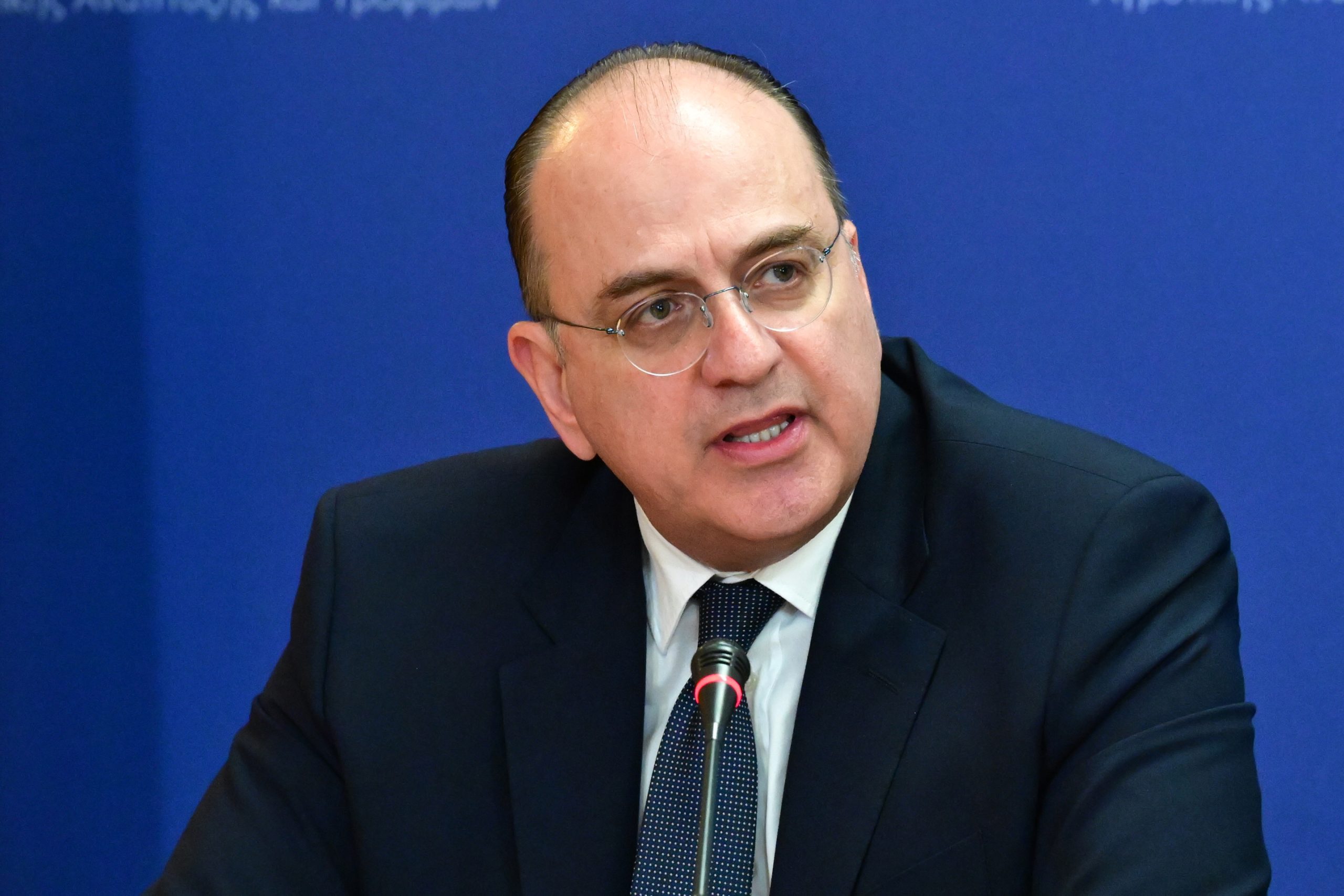
“We consistently and rigorously examine all cases of international protection in accordance with national and European law. Asylum status is not permanent but subject to continuous review,” responded the Deputy Director of the Asylum Service, Nikos Giannakopoulos, to our inquiry, without providing clarification regarding the content of the intelligence document or the allegation that asylum revocations were requested for multiple individuals under the same protocol number.

“A clear directive has been issued by the Minister of Migration and Asylum, Thanasis Plevris, for the systematic reassessment of cases to determine whether the conditions for granting protection still apply. In cases where these conditions no longer exist, the state proceeds with revoking asylum status, as provided by law,” he continued.

“Particular emphasis is placed on cases originating from countries classified as safe. If it is determined that there is no real risk for the applicant, the protection status is lifted and the process of return is initiated, always in accordance with legal procedures. Administrative decisions are made exclusively on the basis of the prescribed procedures and the evidence of each case, and are not influenced by extrajudicial interventions,” he concluded.

AD(1024x768)