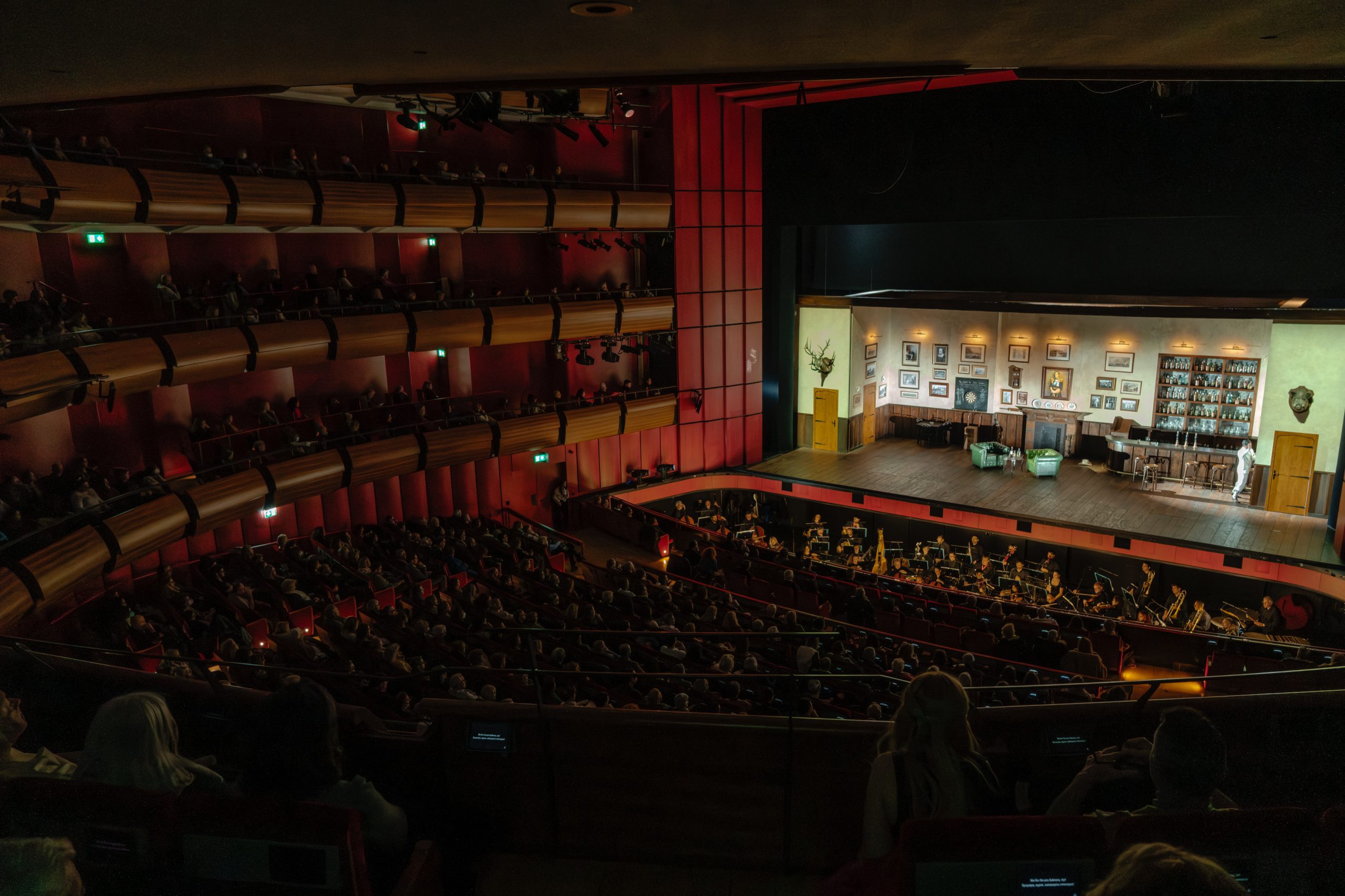
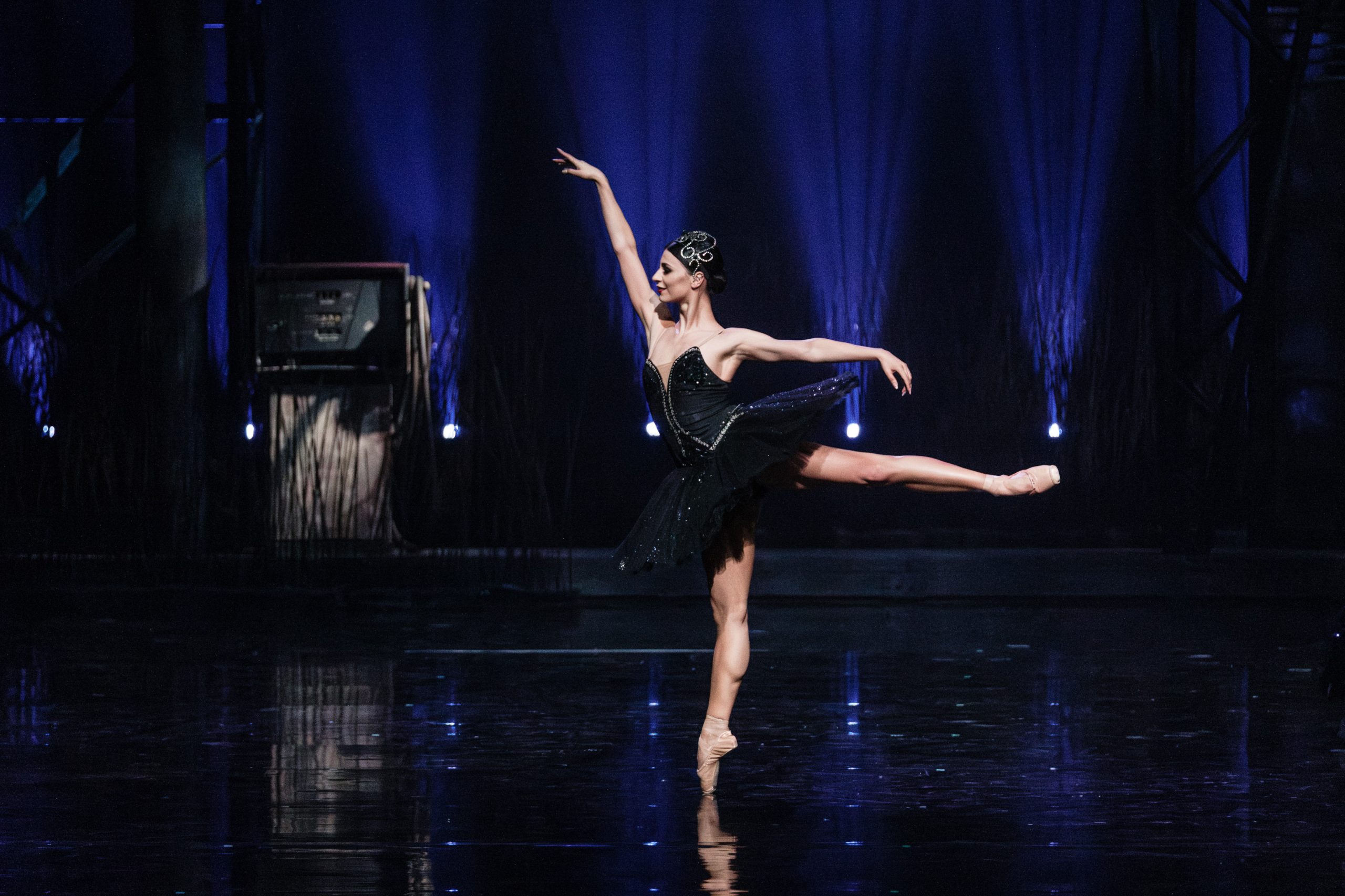
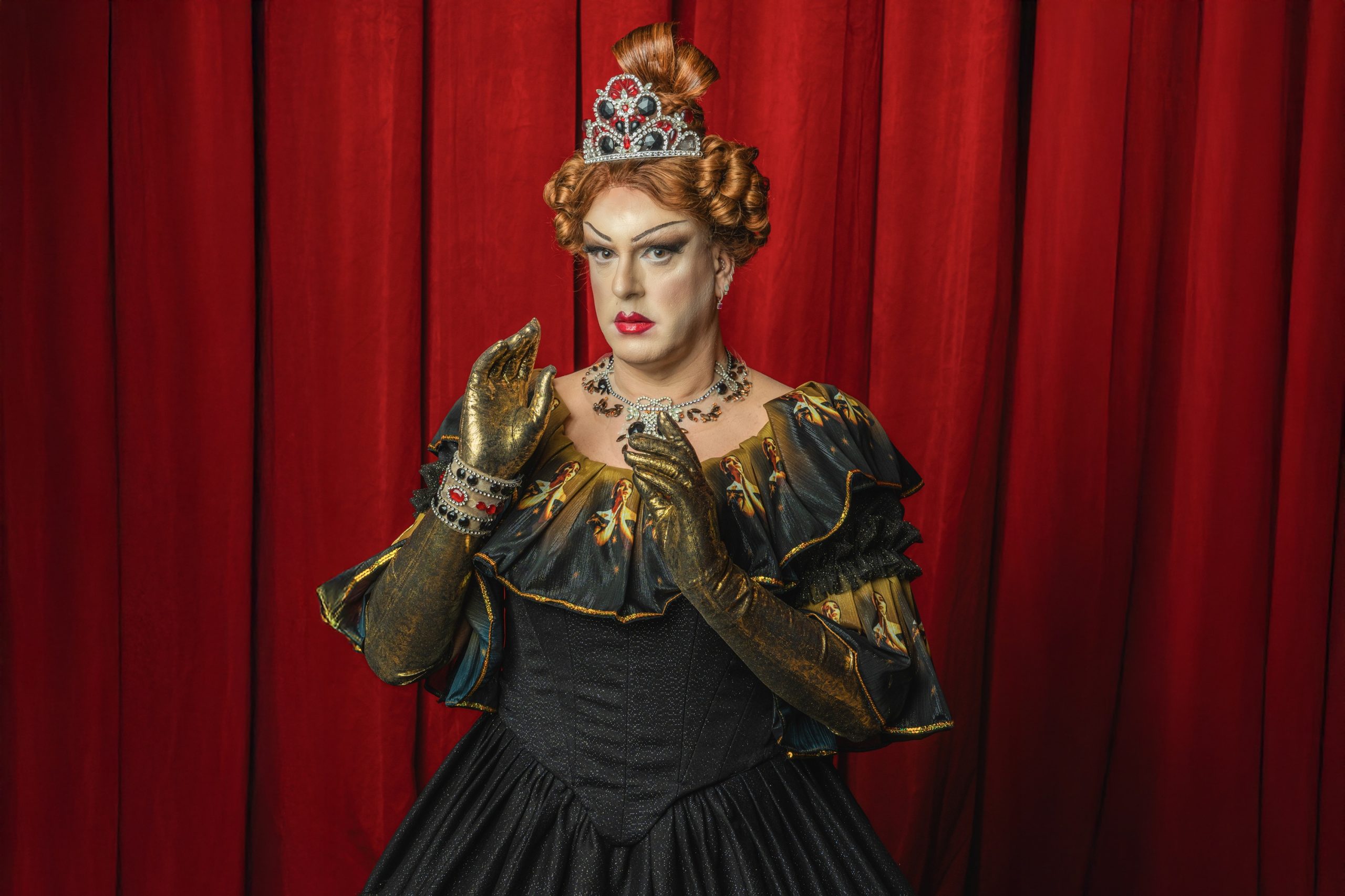
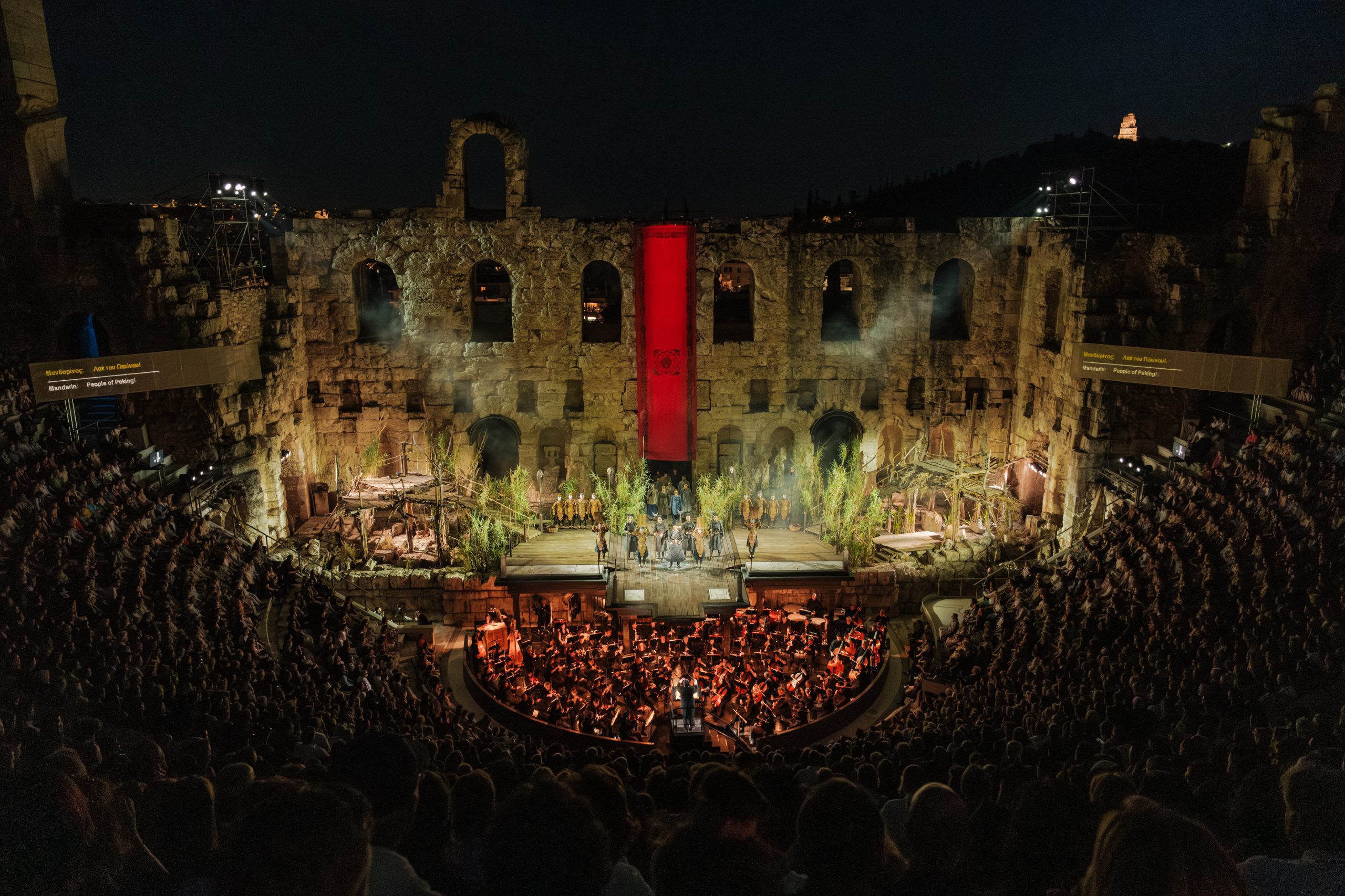
(Greek National Opera/ G. Antonoglou)

Does anyone care about opera and ballet anymore? Insiders respond.

Add your Headline Text Here
@fyinews team

13/03/2026

Copy link
fyi:
  1. American actor Timothée Chalamet, in a conversation with Matthew McConaughey at the University of Texas at Austin, said that he would not want to work where it’s like, ‘Hey, keep this thing alive,’ even though, like, no one cares about this anymore.”
  2. Three Greek opera and dance artists respond to the actor, speaking about the “self-evident” vitality of their arts, the difficulty of reaching broader audiences, the trends toward modernization, and also the sense of unity sparked by Chalamet’s remarks.

by Rania Zokou

Timothée Chalamet has “broken” the internet dozens of times. When teenage girls first saw him in Call Me by Your Name. When rumors spread that he was actually the British rapper Esdeekid (he isn’t). And most recently, when he took a swipe at opera and ballet.

The American actor, and a nominee at this year’s Academy Awards for his role in Marty Supreme, said during a conversation with Matthew McConaughey at the University of Texas at Austin that he would not want to work in ballet or opera, or things where it’s like, ‘Hey, keep this thing alive,’ even though, like, no one cares about this anymore.”

The remark, even with the clarification with “all respect to all the ballet and opera people out there”  did not go unnoticed.

Greek opera and dance artists respond

(GNO/ G.Antonoglou)

“I think this is an isolated opinion in Hollywood, or simply a misguided one,” says Marios Sarantidis, a bass-baritone opera singer with the Greek National Opera, referring to Chalamet’s remarks.

Eleana Andreoudi, a principal ballerina at the Greek National Opera, describes the statement as “dismissive.” “When you dismiss something you know nothing about, it’s as if you are also dismissing legends of your own,” she says. That is because cinema, classical music, opera and ballet are not separate worlds but interconnected fields.

A similar view is expressed by Natalia Kalogeropoulou, a dancer and choreographer. “I consider such a statement unacceptable, especially when it is made in the context of public discourse,” she says. “Nevertheless, the opinion of an otherwise insignificant privileged Hollywood star about two art forms that have indisputably excelled through the centuries is perhaps the least important of our problems, perhaps the least shocking of the events of our time.”

“There’s nothing we need to defend.”

Ελεάνα Ανδρεούδη (ΕΛΣ/ Γ. Αντώνογλου)

All three artists believe that the strength of these two performing arts is, to a large extent, self-evident. They are art forms that “have endured for centuries,” Eleana points out. Ballet has its roots in the 15th-century Renaissance, while opera was born in Italy in the late 16th century.

“At a time when, in other fields, there is discussion about actors being replaced by AI, opera and ballet are living art forms that will never be replaced by artificial intelligence,” she adds. “Dancers and singers will always be on stage.”

“Opera and ballet companies across the world excel,” Natalia says, something also reflected in the numbers. According to data from the Greek National Opera, Medea at the Ancient Theatre of Epidaurus, with 10,000 tickets, sold out about four and a half months before the performance. A similar picture emerges from the rest of the season’s programme: productions such as La Gioconda, Giselle, Tosca, and Falstaff have also sold out.

Even so, the most “vibrant” performing art in Athens appears to be theatre, with more than 150 active stages, a figure that places the city among the European capitals with the highest level of theatrical activity.

On the other hand, it’s not for everyone

Ναταλία Καλογεροπούλου

Nevertheless, even if Chalamet’s view does not appear to be the dominant one, the artists acknowledge that there are barriers to access, the most important being cost. “Going to see opera or ballet is an expensive sport,” Natalia says. “I don’t think that makes the art forms themselves ‘dead,’ of course, but it certainly discourages a large part of the audience.”

At the same time, there is also a segment of the public that agrees with statements of this kind — “people who still see opera as a museum piece,” says Marios, who describes attending it as a demanding experience.

“Opera is, by its nature, a strict art form,” he adds. “To exist within it, you need years of training — musical studies, foreign languages, theory. That inevitably makes it more rigorous, perhaps even more formalistic, but that is also its nature and, to a great extent, its beauty.”

Ballet requires a similar sense of respect and discipline from the audience, Eleana says. “You’ll never be able to have everyone, as you perhaps can in cinema,” she notes. “At the opera and the ballet, you can’t eat popcorn.”

Moves toward modernization

Marios Sarantidis (GNO/Α. Simopoulos)

That, of course, does not mean these art forms are not evolving. “From the mid-2000s onward — particularly in Germany — a different approach to opera began to gain ground, with directors daring to alter more substantial elements of the work,” Marios explains.

This is also connected to the gradual expansion of audiences toward younger age groups. “When I went to the opera as a child, in the 1990s, almost the entire audience was 70+. That has now changed,” he says.

“At the same time, opera houses as institutions have to maintain a balance between more classical and more contemporary productions, so that they keep all of their audiences, even the more ‘conservative’ ones, satisfied,” he adds.

However, according to Eleana, a key condition for successfully reinterpreting classical works is that the creator “must have something substantially new to say, while maintaining respect for the original.”

A cause for unity

(GNO/ G. Antonoglou)

Opera houses and dance companies from around the world responded to Chalamet’s remark — sometimes with humor, sometimes with inventive marketing — turning it into an opportunity for publicity.

“In the digital world, even a misguided comment by someone can bring unexpected visibility to someone else,” says Manolis Giannikios, Head of Digital at fyi.news. “Social media managers quickly spot the opportunity and turn it into engaging content. The truth is that Chalamet’s comment sparked reactions, but at the same time it gave massive visibility to two branches of the performing arts that have been struggling for attention and audiences for years.”

In the end, however, what stands out for Marios is that “opera houses and ballet companies from around the world responded publicly with humor and a more relaxed attitude — without defensiveness and without appearing touchy. It was as if they rallied together, as if they became one.”

AD(1024x768)