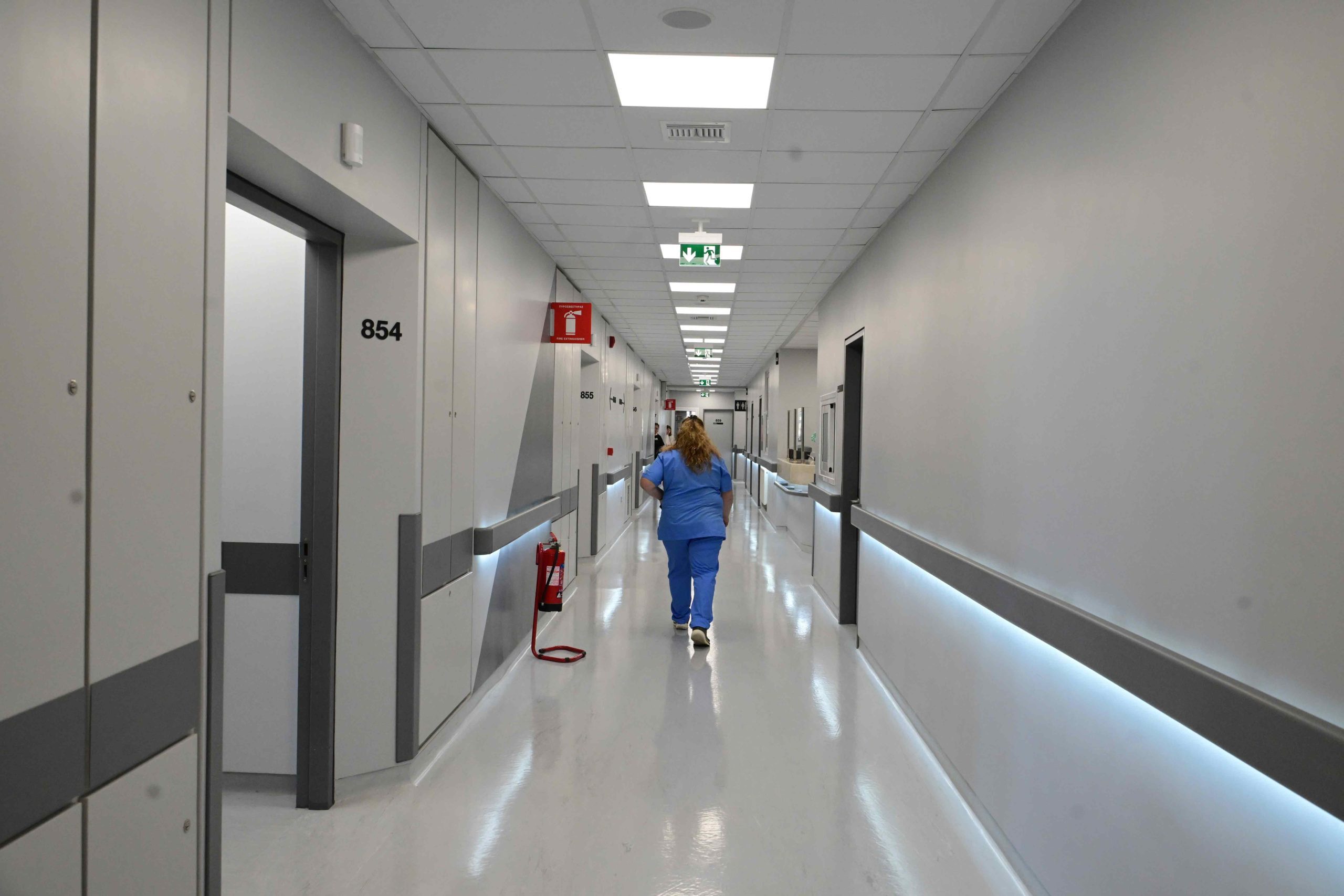
A 40% reduction in hospital-acquired infections and a 20 to 50% increase in hand hygiene in 10 Greek hospitals was achieved by a five-year program of the Stavros Niarchos Foundation for limiting infections from drug-resistant microbes in hospitalized patients in Greece which ranks first in such infections in the EU.
As a result, 17,000 additional hospital days were avoided, a number equivalent to freeing up an Intensive Care Unit with 40 beds for one year and over €14 million were saved.
Initially, nurses in critical positions for infection control such as ICUs, Emergency Departments and surgical wards were included in the program, while later doctors as well as hospital pharmacists were included.
It is the infection that is acquired in the hospital and transmitted to the patient by various means including contaminated surfaces, droplets, equipment, hands and others.
In total, 1,536 healthcare professionals were trained nationwide, of whom 1,180 participated in the program’s examinations while ultimately 940 were certified.
The hospitals that participated were Evangelismos, Attikon, Agios Savvas, the Pediatric Hospitals Agia Sofia and Aghia Kyriakou, Papageorgiou Thessaloniki and the University Hospitals of Patras, Larissa, Alexandroupolis and Heraklion.
The program included five pillars, strengthening hospital infection committees with a specialized infection surveillance nurse initially per 50 beds and then per 100 beds, the creation of an educational program for the basic principles of infection prevention and control.
It also included the creation of a unified national recording system for the surveillance of infections in hospitals and microbial resistance, the surveillance and recording of the most common hospital infections and resistant microbes and the implementation of multifactorial infection control strategies.
Source: in.gr


 What is fyi.news?