What is fyi.news?
- Small on the map…
- The Mercator projection is to blame
- Some examples
- Maps and colonialism
- Have maps been back in the spotlight?
- Mercator maps and technology
- Is there a “perfect” map?
- Conclusion
- Sources



 (fyiteam)
African countries, the continent most disadvantaged by Mercator maps, have launched a campaign to replace them with maps that show the true size of countries and continents.
 (fyiteam)
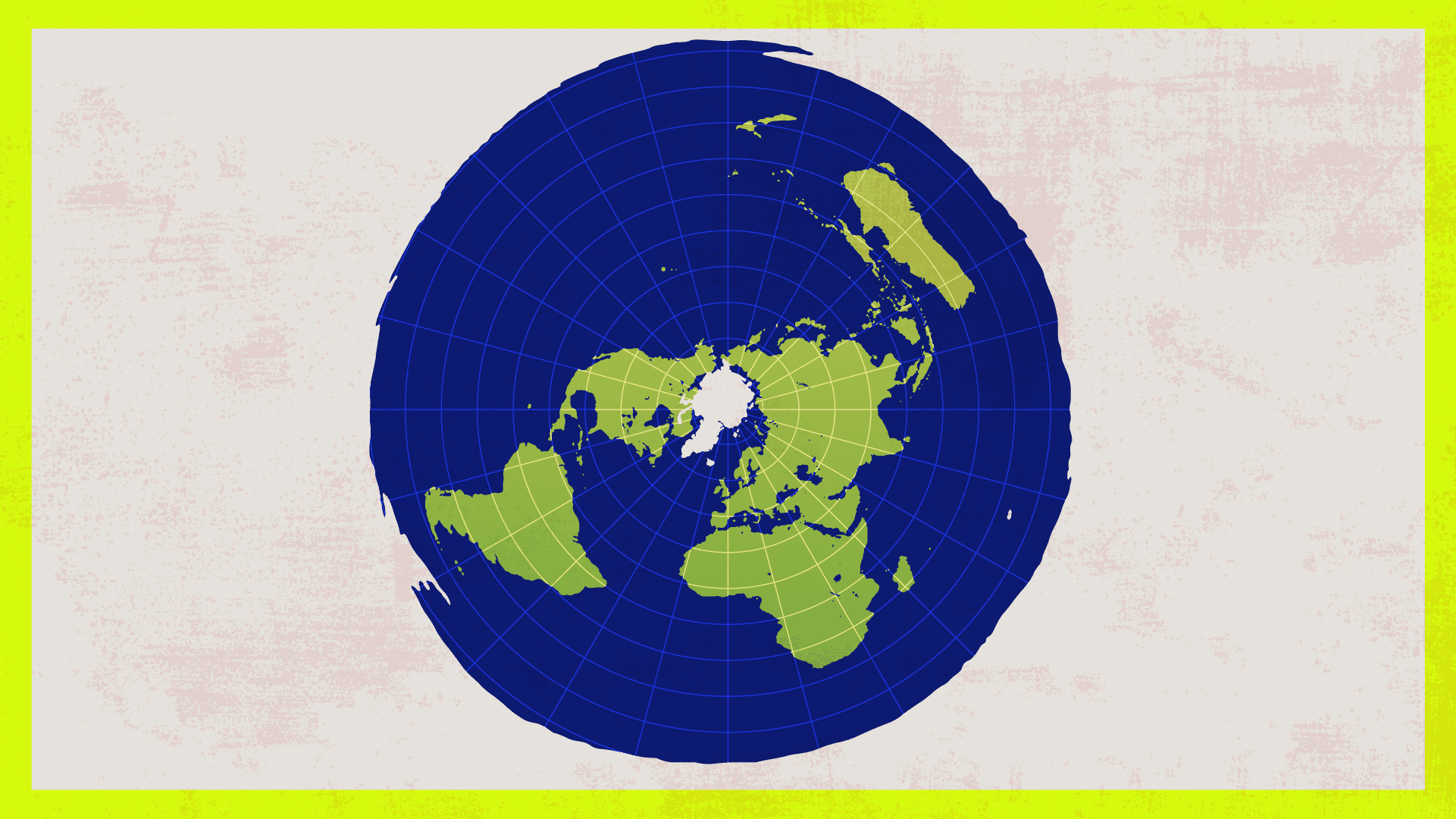
Mercator maps (Mercator projection) were created by cartographer and geographer Gerardus Mercator in 1569.
In his effort to represent the nearly spherical Earth on a flat sheet of paper, he introduced several distortions.
While useful for navigation (helping chart courses), they distort the sizes of continents, enlarging areas near the poles such as North America and Greenland, while shrinking Africa and South America.
 (fyiteam)
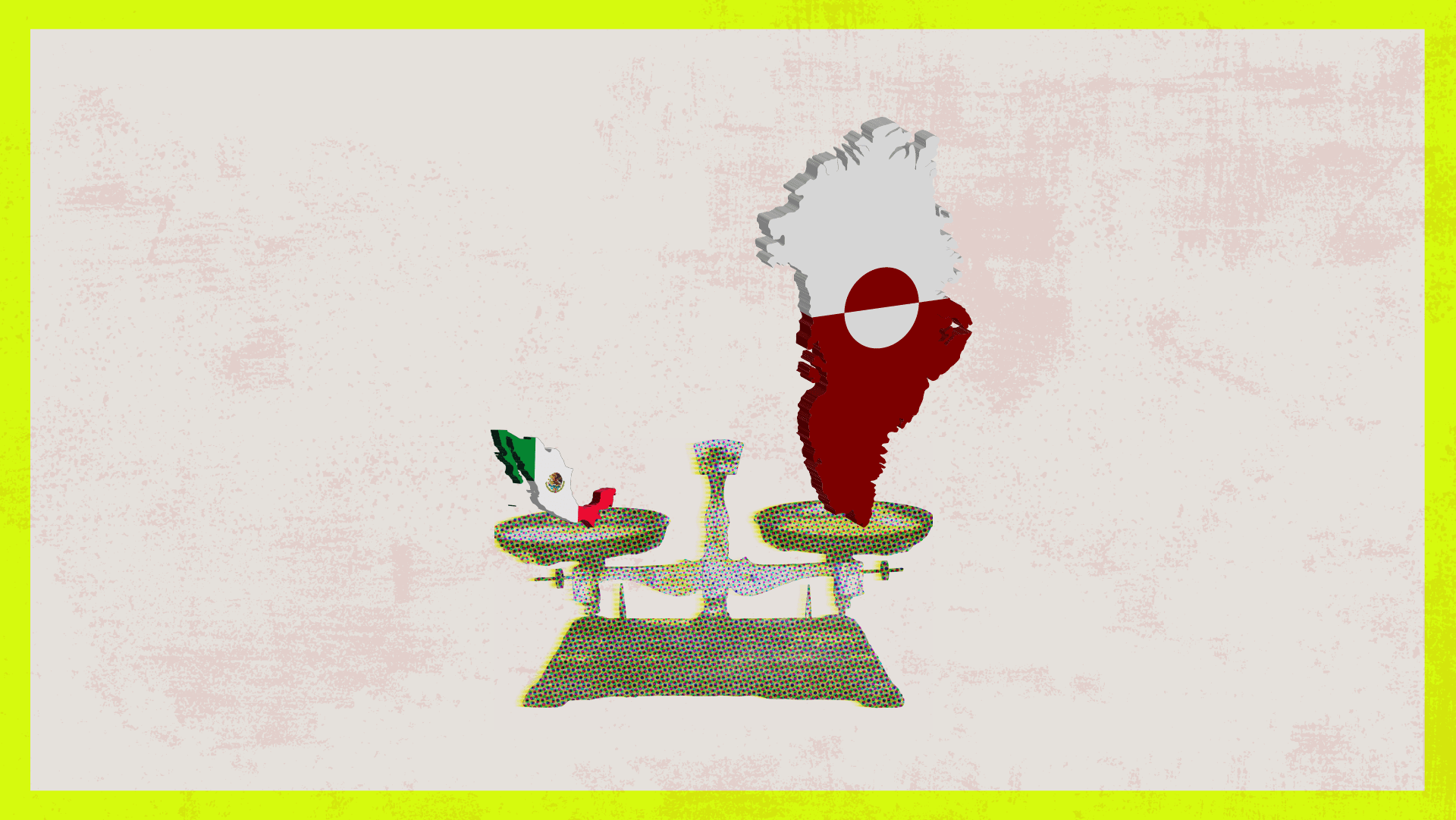
On Mercator maps, Greenland appears 15 times larger than Mexico, even though the two are the same size.
The United Kingdom appears roughly equal to the Iberian Peninsula, even though it is less than half its size.
Africa, although half again larger than North America and twice the size of Russia, appears smaller than both.
 (fyiteam)
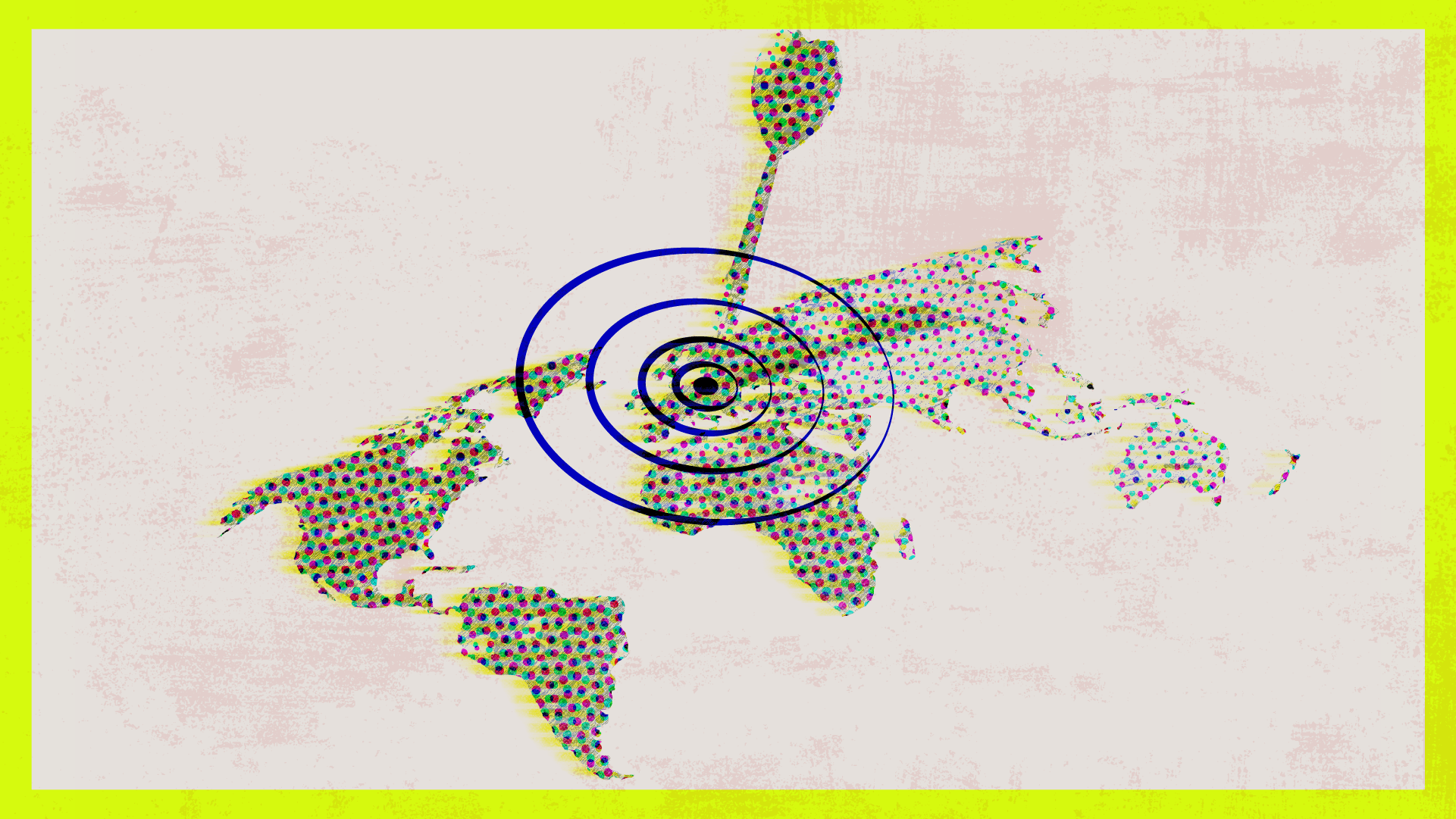
Over the centuries, Mercator maps became the most common representation of the planet and are still displayed on walls in homes and classrooms.
The choice of this projection also served the geopolitical view of the colonial West, which wanted to see itself as central and dominant on the planet.
 (fyiteam)
The discussion to change Mercator maps did not start recently, but the “Correct The Map” campaign has reignited it.
The African Union* encourages organizations (e.g., the World Bank, UN) and governments to adopt the 2018 Equal Earth projection, which aims to represent countries’ true sizes.
*An organization composed of the 55 internationally recognized African states.
 (fyiteam)
Mercator maps are still widely used by tech companies.
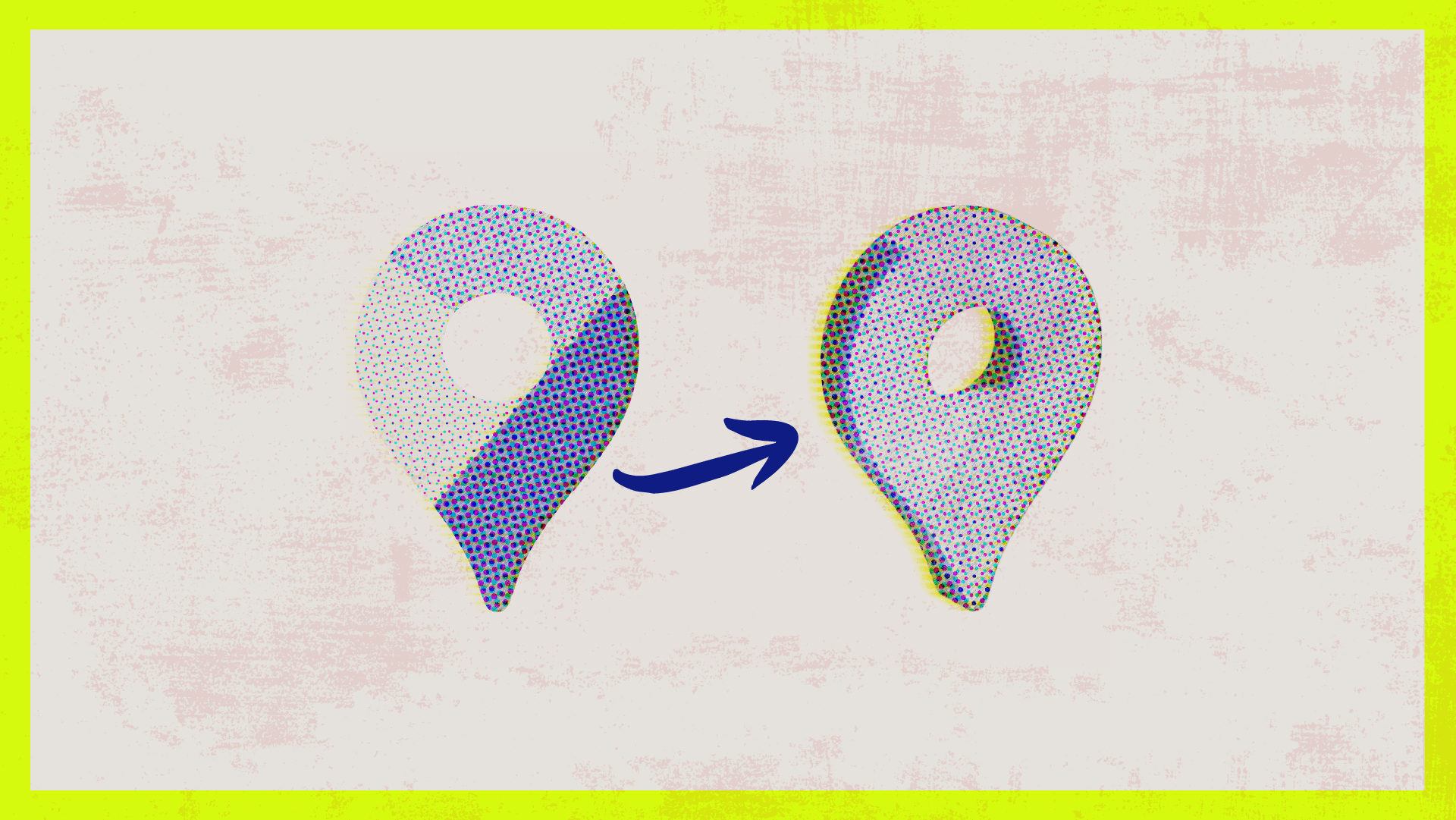
Google Maps switched from the Mercator projection to 3D in 2018, though users can return to the Mercator view if they choose.
However, on mobile apps, Mercator maps remain the default.
A completely accurate map cannot exist, because the Earth is roughly spherical, and projecting its surface onto a flat rectangular map inevitably introduces some distortion.
Other projection types* exist besides Mercator, but each “loses” something. For example, the Gall-Peters projection shows correct sizes but distorts country shapes, whereas Mercator maps preserve shapes but distort areas.
*Sites like thetruesize.com show countries’ actual sizes.
“It may seem like just a map, but in reality, it is not,” said Selma Malika Haddadi, Vice Chair of the African Union Commission.
“The Mercator projection created a false impression that Africa is marginal, despite being the world’s 2nd largest continent with over 1 billion people,” she continued.
“Such stereotypes influence media, education, and politics,” she concluded.