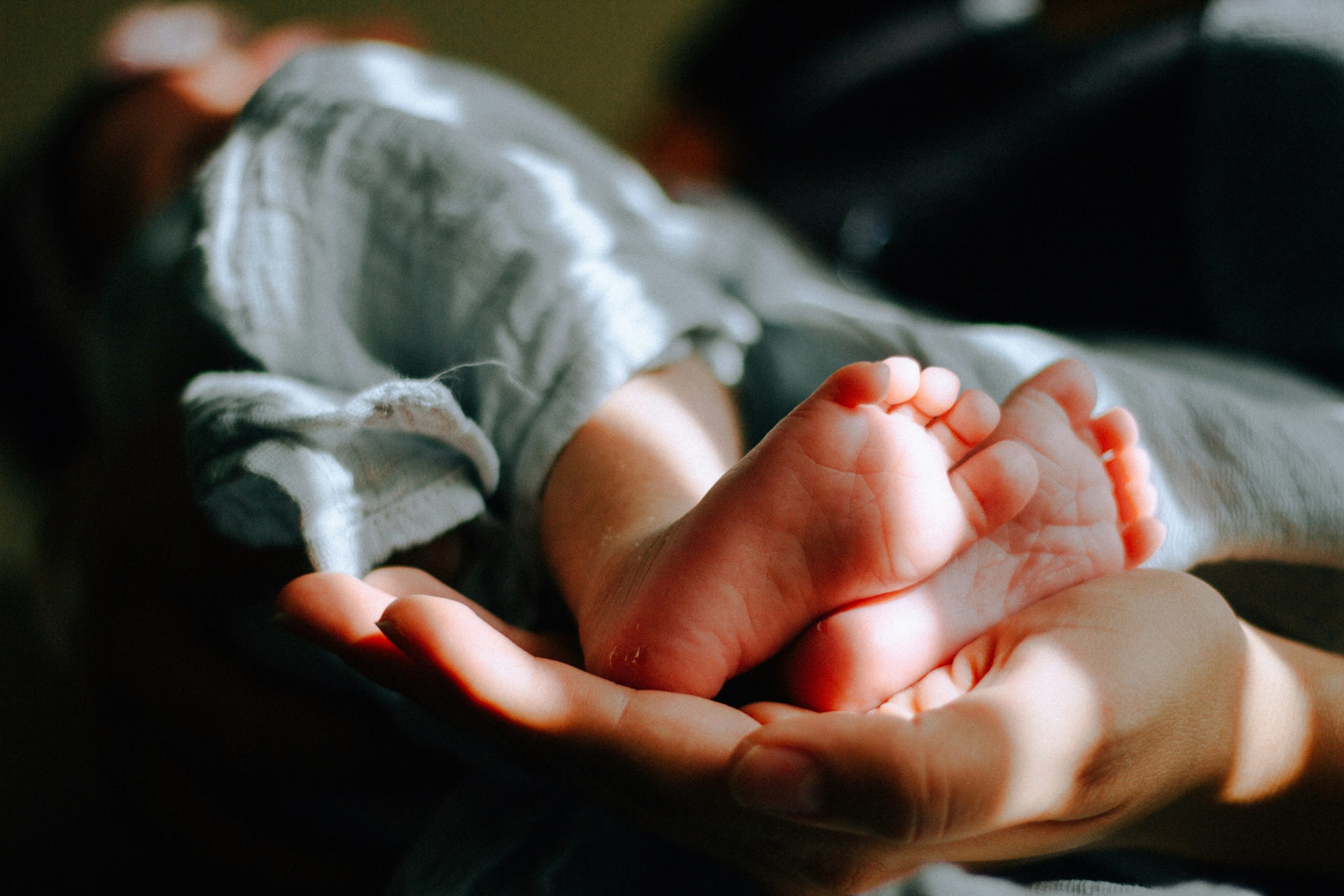
Eight babies have been born in the United Kingdom with DNA from three individuals—their parents and a female donor—in order to free the newborns from incurable mitochondrial diseases, which can cause severe disabilities and death just days after birth.
Couples are aware of the risk of the disease if previous children, family members, or the mother herself have been affected.
The method, pioneered by scientists in the UK, combines the egg and sperm from the parents with a second egg from a female donor. As a result, the child receives the majority of its DNA from the parents and about 0.1% from the donor, who provides her healthy mitochondria.
Roughly 1 in 5,000 babies is born with mitochondrial disease, and scientists say there is demand for around 20 to 30 births per year using this method
The technique has been legal for a decade, but this is the first evidence that children born through it are free from incurable mitochondrial diseases.
In the eight babies born, the diseased mitochondria were either undetectable or present at levels (5–20%) far below the disease-causing threshold of 80%.
The embryos develop until the DNA from the sperm and egg form a pair of structures called pronuclei. These contain the blueprints for building the human body, such as hair color and height.


 What is fyi.news?