(fyiteam)

India-Pakistan-Kashmir: Peace has left the building

Add your Headline Text Here
@fyinews team

02/05/2025

Copy link
fyi:
  • What happened?
  • Where is Kashmir?
  • The thorn in the India-Pakistan relations
  • Indian Kashmir
  • The revocation of the special status
  • And this leads us to today
  • Attacks on tourists
  • The climate in the two countries
  • The climate in Kashmir

What happened?

(fyiteam)

On April 22, the deadliest attack in 25 years took place against civilians (26 dead) in a tourist area in the Indian part of Kashmir.

The attack escalated tensions in the already volatile India-Pakistan relations*, with India accusing Pakistan of being behind it.

Pakistan denies any involvement, but India imposed sanctions, to which Pakistan responded the following day.

*Both countries are nuclear-armed.

Where is Kashmir?

(fyiteam)

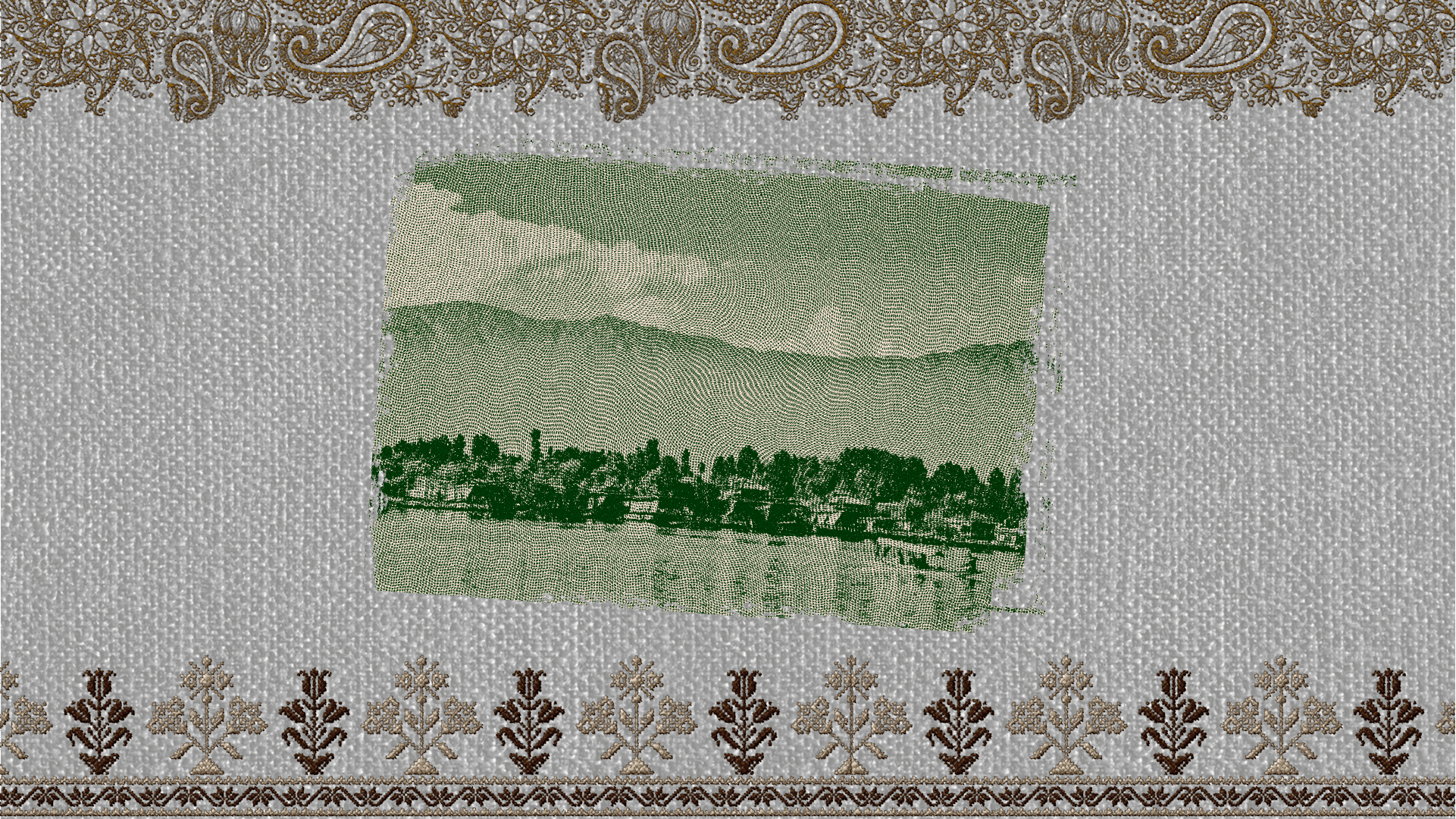
Kashmir is a region in the Himalayas, known as the “Switzerland of India” due to its natural beauty.

Before India and Pakistan gained independence* from the United Kingdom (August 1947), Kashmir was disputed, as under the “Indian Independence Act,” it was free to join either country.

*The “Partition of India” resulted in the creation of: India (mainly non-Muslims), Pakistan (mainly Muslims), and in 1971, Bangladesh (after seceding from Pakistan).

The thorn in the India-Pakistan relations

(fyiteam)

In October 1947, the local ruler chose to join India, leading to the outbreak of war. However, in 1949, both sides agreed to a ceasefire and accepted the division of Kashmir.

Out of the four total* India-Pakistan wars (1947, 1965, 1971, 1999), three were fought over Kashmir, and one was fought over Bangladesh (1971).

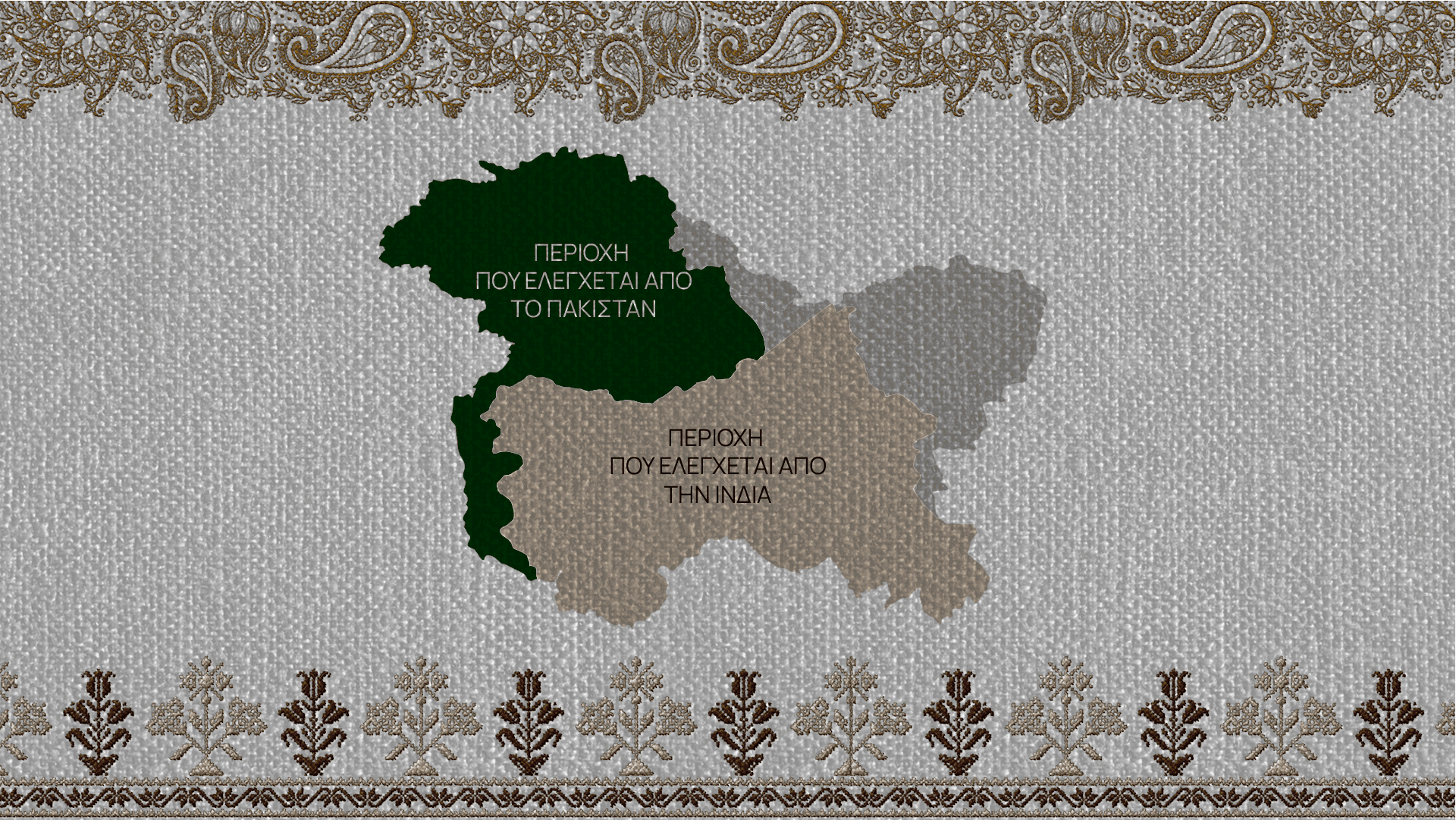
Today, both countries claim the entire region but only control parts of it—referred to as “Indian Kashmir” and “Pakistani Kashmir.” A small portion is controlled by China.

*In 2001, they came very close to another war (nuclear), which was averted by the United States.

Indian Kashmir

(fyiteam)

Many residents of Indian Kashmir do not want to be under Indian rule, preferring either independence or union with Pakistan.

Religion plays a key role, as 60% of the population is Muslim, making it the only one of India’s 28 states with a Muslim majority.

Since 1989, attacks have been carried out against India in Indian Kashmir, resulting in tens of thousands of deaths, with India consistently blaming Pakistan.

The revocation of the special status

(fyiteam)

Until 2019, Indian Kashmir enjoyed a status of significant autonomy.

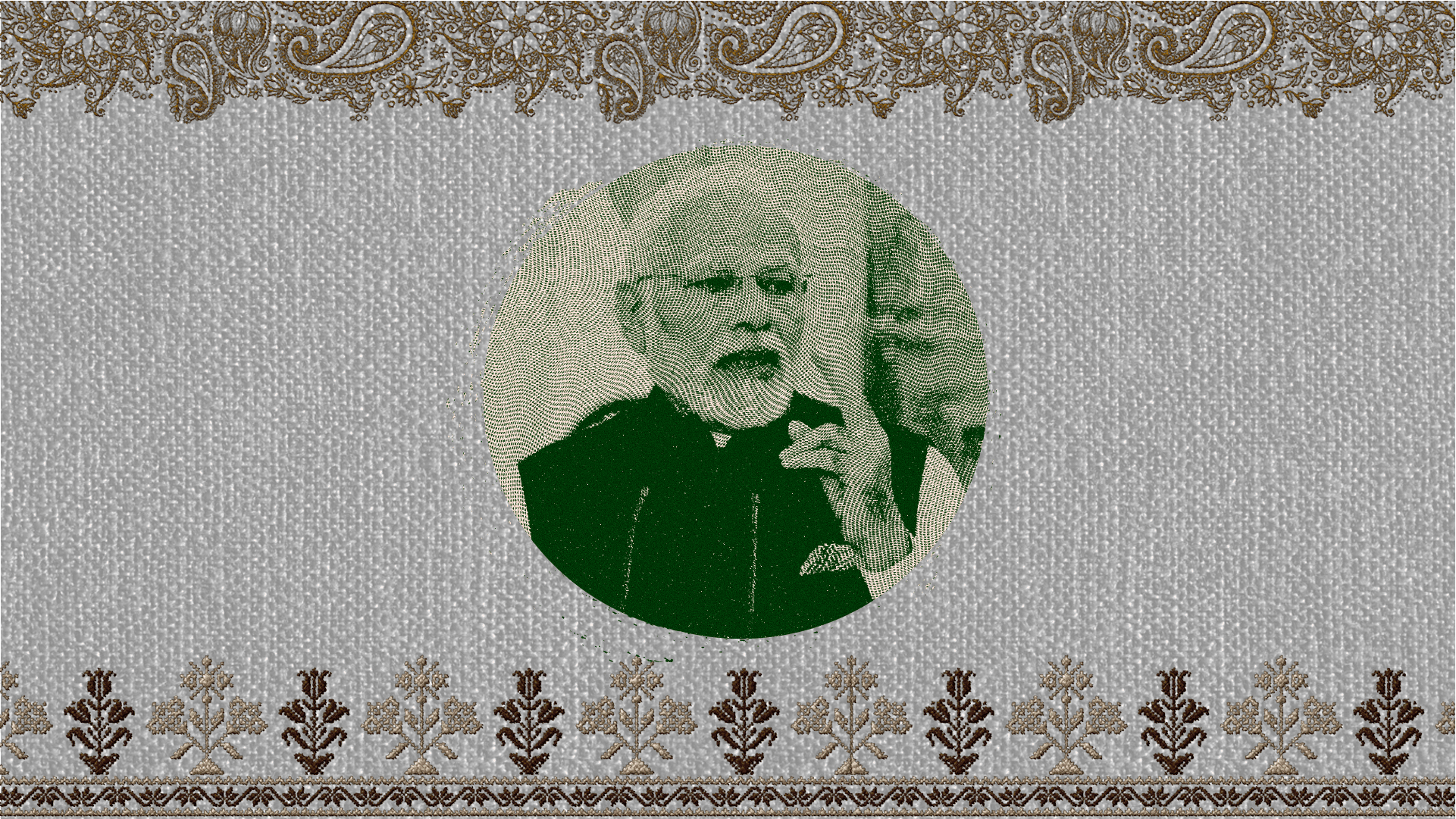
However, the nationalist Indian Prime Minister N. Modi decided to revoke this status, dividing the region into two administrative areas under the full control of the Indian government.

He also overturned a law that prohibited non-permanent residents from purchasing property, thereby advancing his party’s pro-Hindu agenda (Hinduism being the dominant religion in India).

And this leads us to today

(fyiteam)

The responsibility for the April 22 attack was claimed by the Resistance Front (TRF), considered a faction of the Pakistani Islamist group LeT.

The main reason cited for the attack was the thousands of residence and work permits granted to Indian citizens.

Analysts believe the attackers sought to undermine the “security” image promoted by Modi for Kashmir, and the timing of the attack was also symbolically significant*.

*On that day, the U.S. Vice President was in India on a trip to strengthen the relationship between the two countries.

Attacks on tourists

(fyiteam)

Even during the most intense unrest in Kashmir, attacks on tourists were rare.

In total, there have been 5 attacks on tourists over nearly 30 years (1995, 2000, 2001, 2017, and 2024), resulting in 62 deaths and 4 missing persons.

Tuesday’s attack on Indian tourists is the deadliest since the 2000 attack (32 dead).

The climate in the two countries

Beyond the mutual sanctions (border and airspace closures, diplomatic expulsions, etc.) and border skirmishes, Modi has pledged to track down the perpetrators “to the ends of the earth,” while his party allies are urging him to take military action.

On the other hand, Pakistan has stated it will take action against any “Indian threat,” asserting that any attempt by India to reduce the water supply* from the Indus River “means war.”

*As part of the sanctions, India suspended the landmark 1960 agreement on the shared use of the Indus River’s water resources, which provides water to two-thirds of Pakistan and is crucial for the country’s agriculture.

The climate in Kashmir

(fyiteam)

The residents of Indian Kashmir, who have been resisting the “Indian occupying forces,” as they call the Indian government, participated in protests to show their anger over the killings.

Shops and schools remained closed, as there are concerns that the attack could harm tourism*, and consequently, the region’s economy.

*In 2024, 3.5 million tourists (a record number) visited, with tourism being a major source of revenue (7% of GDP).

Sources

AD(1024x768)