Air quality in Thessaloniki has improved over the last three years, according to a new study comparing air pollutant levels from December 2022 to February 2025 at three different measurement stations in the city: Agias Sofias (city center), Kalamaria (east), and Kordelio (west).
These stations measure two types of pollutants: PM10 particulate matter and nitrogen dioxide. These pollutants are associated with various health issues such as heart attacks, lung cancer, asthma, and bronchitis. Notably, in 2023, Thessaloniki had the second worst air quality in Greece, after Ioannina.
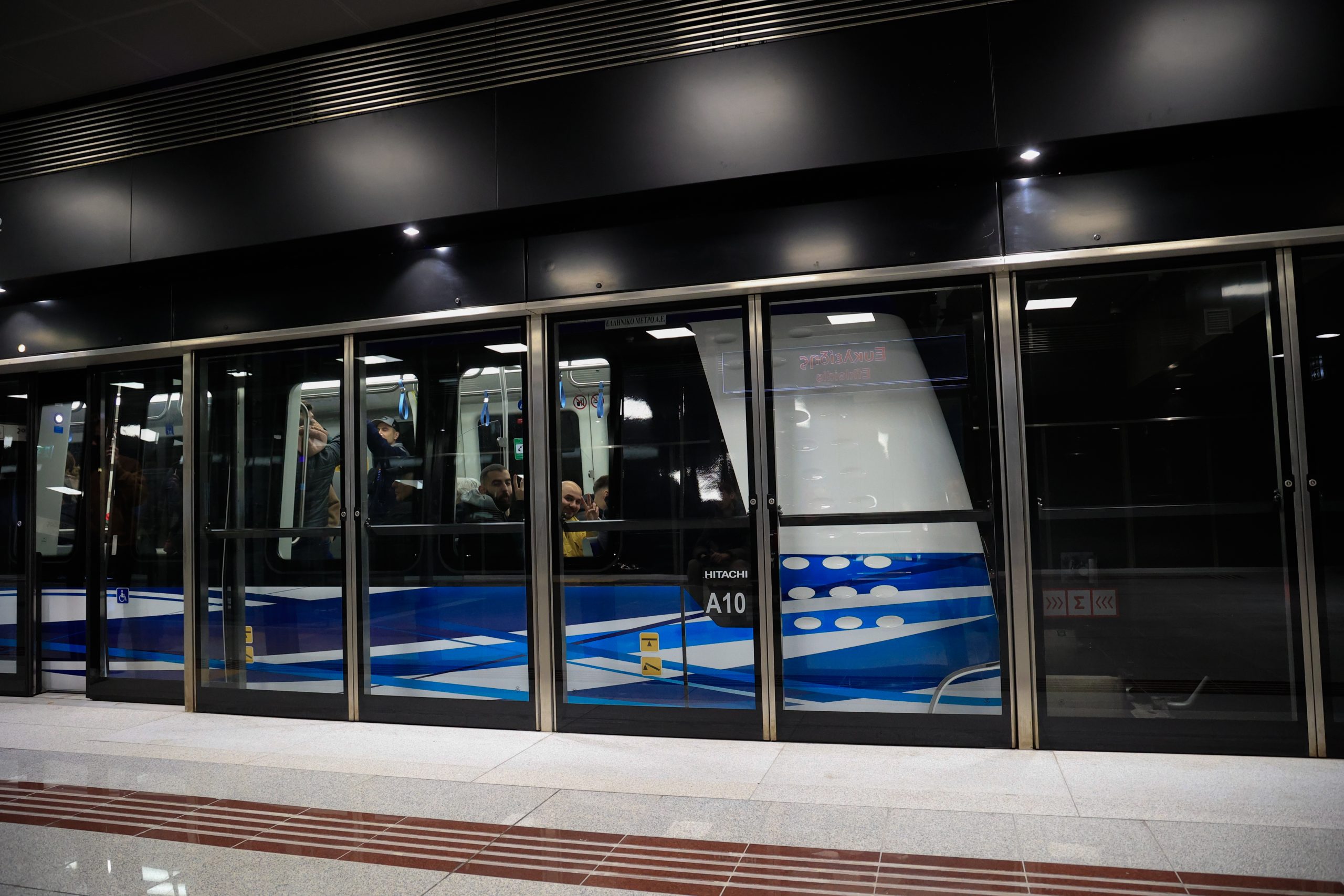
The 5 new metro stations in Thessaloniki, heading towards Kalamaria, are expected to be completed by February 2026.
The improvement is directly linked to the operation of the metro and the addition of electric buses to the city’s fleet. This progress was made despite a sharp increase in pollutants following the start of the Flyover construction in mid-2023, especially in the city center, due to the traffic caused by the project.
Notably, this February, the Agia Sofia measurement station recorded the fewest exceedances of the daily PM10 limits in the past three years, while nitrogen dioxide levels remained closer to annual limits. A downward trend in pollutants was also observed at the stations in Kalamaria and Kordelio.


 What is fyi.news?