(fyiteam)

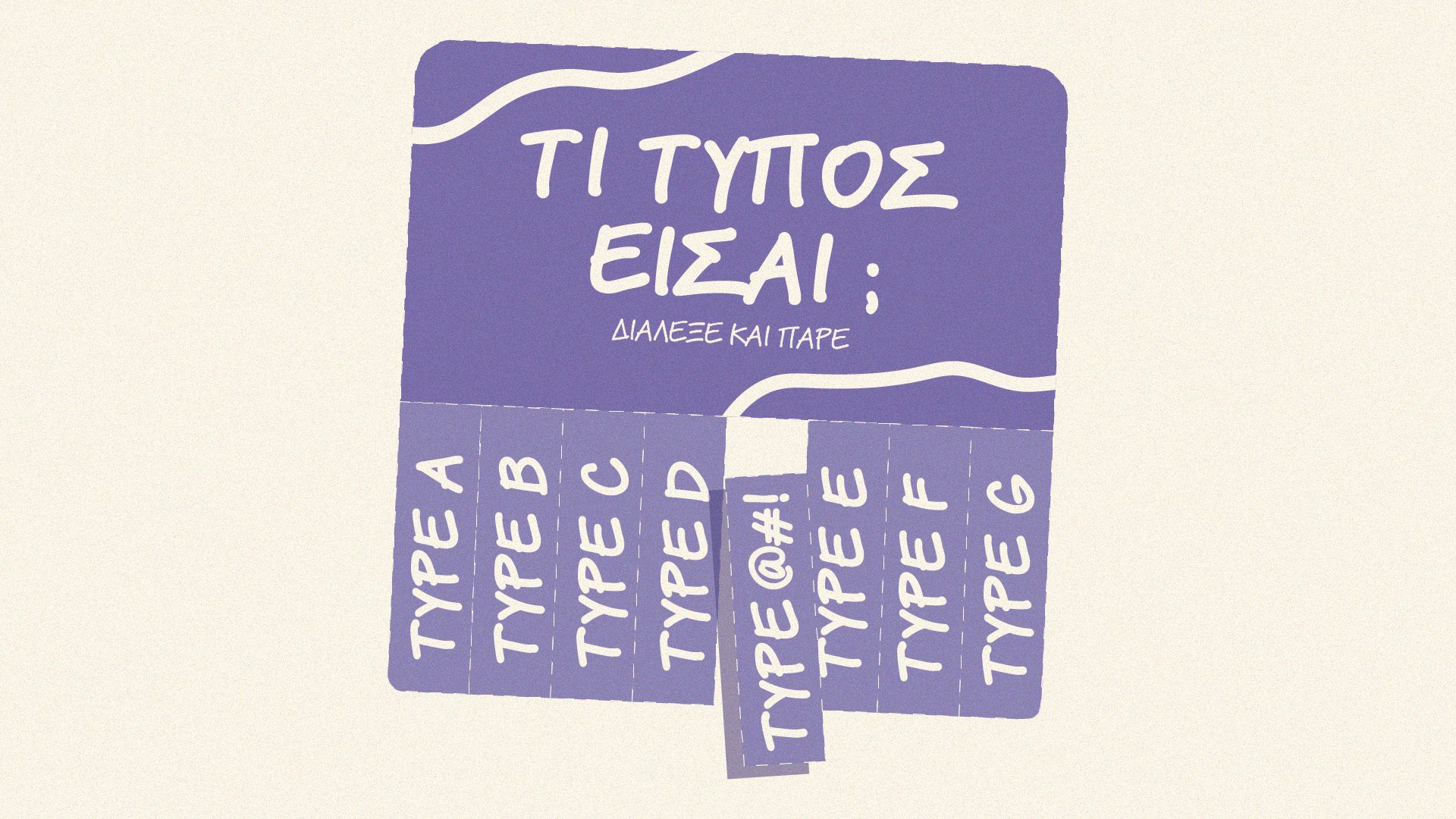
There are two types of people: Type A and Type B

Add your Headline Text Here
@fyinews team

05/04/2025

Copy link
fyi:
  • What are we talking about?
  • Which type do you fall into?
  • Two types of personalities, two types of hearts
  • Type A, stop, no these aren’t symptoms
  • From cardiology to psychology
  • Type C just entered the chat
  • For those in the know, there’s more to the alphabet
  • What’s the point of it all?
  • Don’t forget

What are we talking about?

(fyiteam)

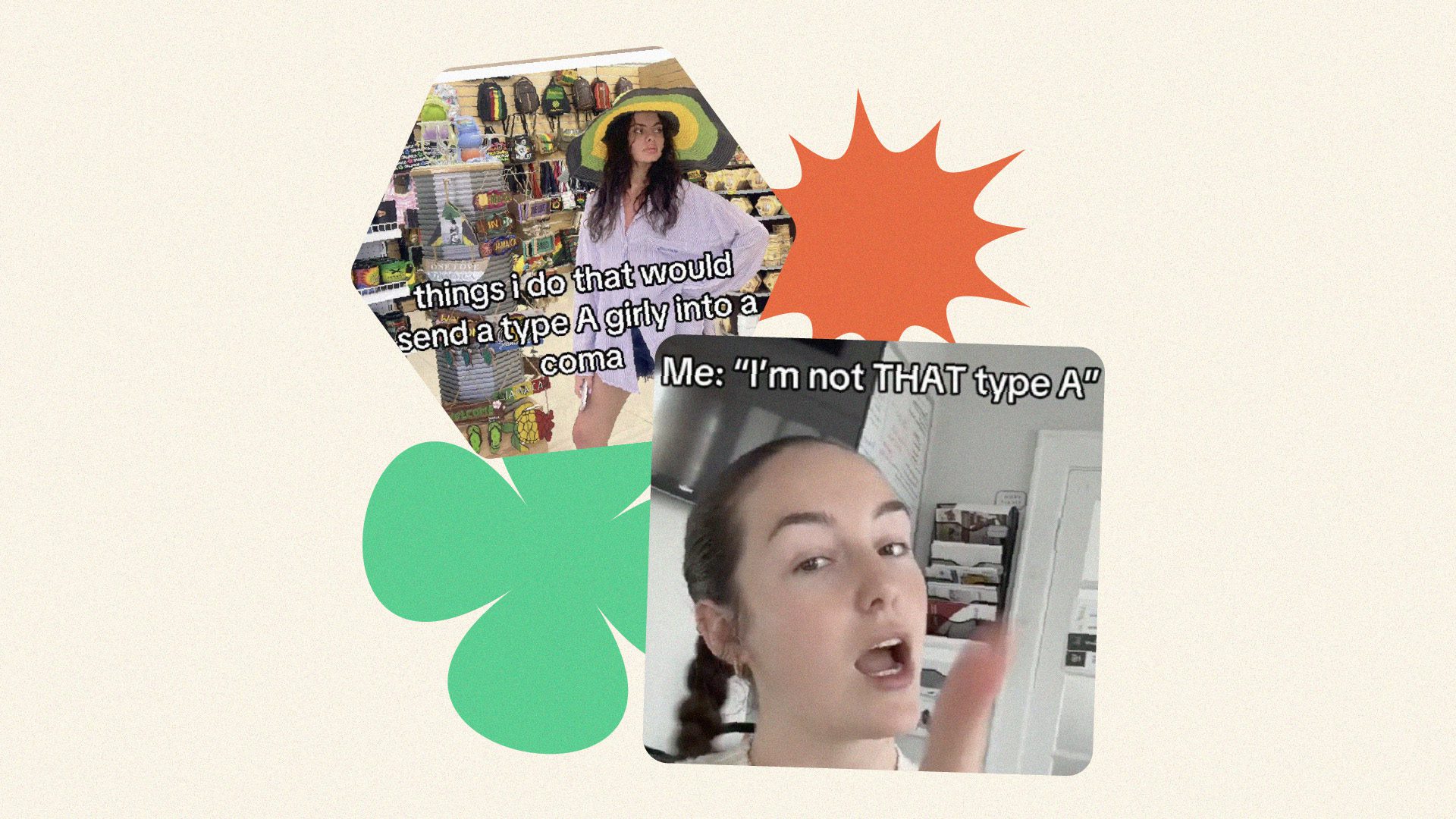
For the past few months, videos with millions of views have been appearing on our TikTok For You page, highlighting the differences between individuals with “Type A” and “Type B” personalities, a popular personality theory (TABP theory) from the 20th century.

Which type do you fall into?

(fyiteam)

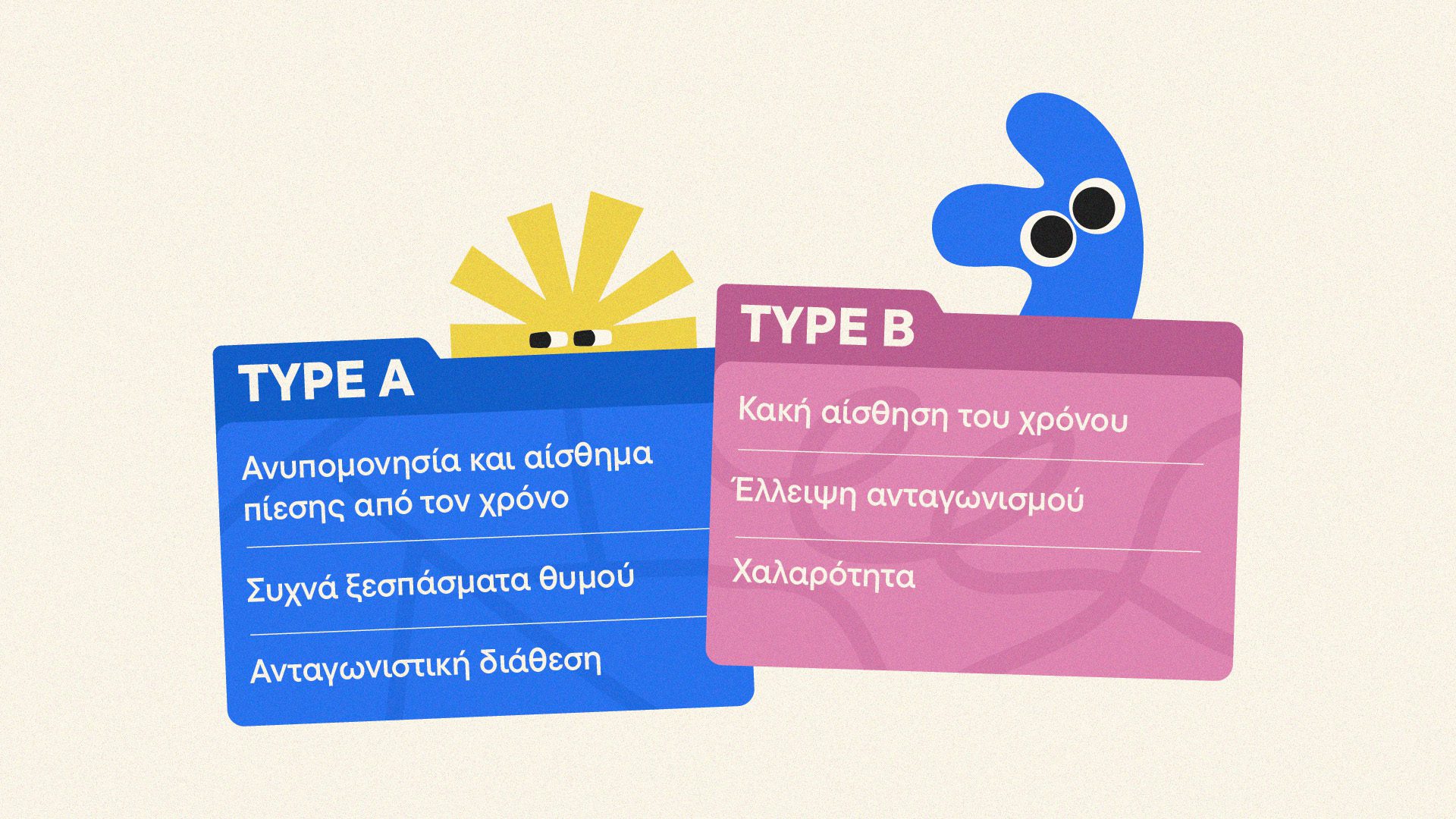
TYPE A traits:

  • Impatience and feeling of time pressure
  • Frequent outbursts of anger
  • Competitive attitudeTYPE B traits:
  • Poor time management
  • Lack of competitiveness
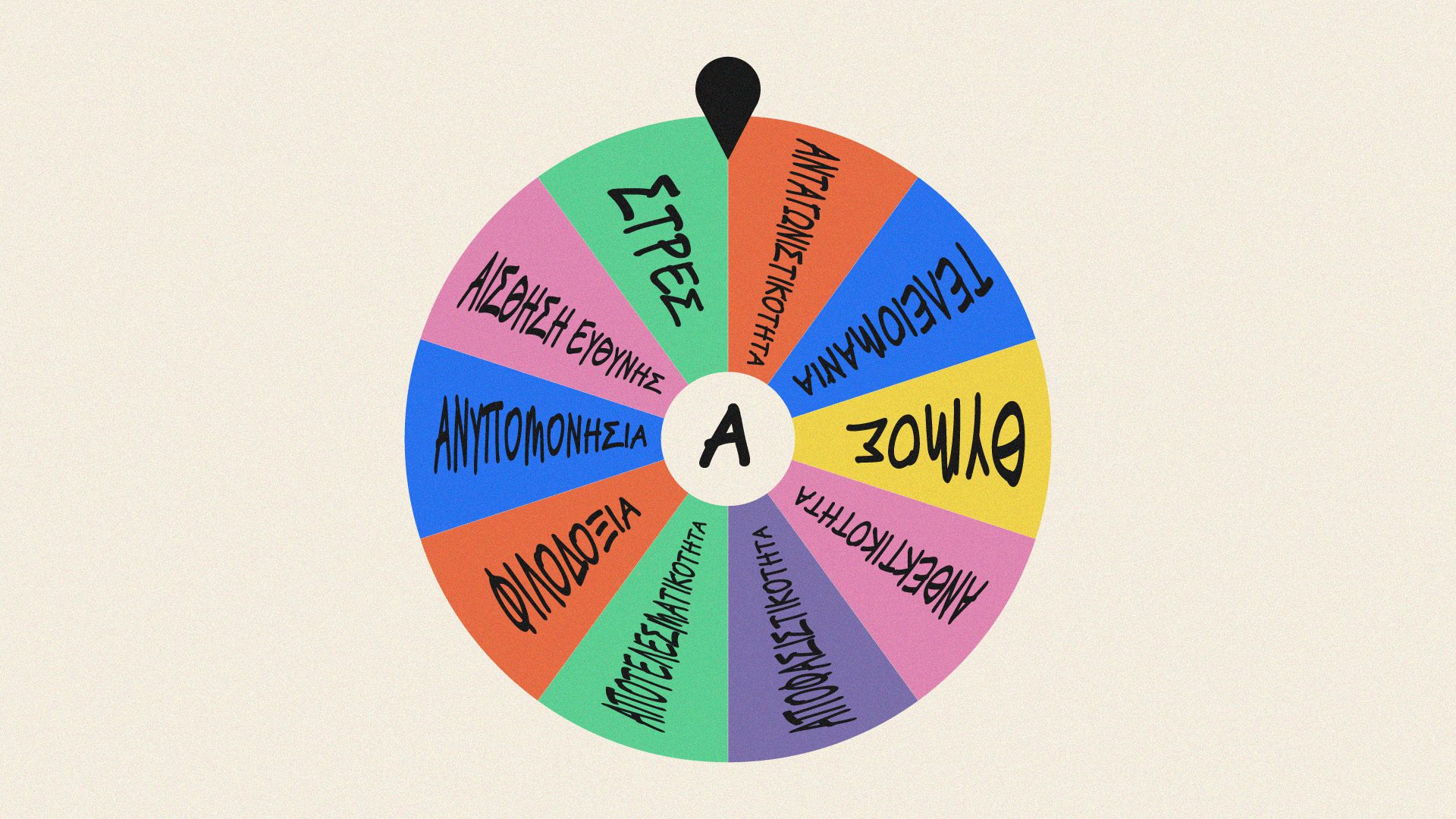
  • Relaxed attitudeOther Type A characteristics include multitasking, strong organizational skills, ambition, extroversion, and, of course, stress.

    The “Type B” behavior pattern is mostly defined by the absence of Type A traits. In other words, the distinction is more about “Type A” vs. “Non-Type A (Type B).”

Two types of personalities, two types of hearts

(fyiteam)

The theory distinguishing Type A from Type B personalities, and its connection to heart health, originated in the 1950s by American cardiologists Meyer Friedman and Ray Rosenman.

After eight and a half years of research, they concluded that having a Type A personality could increase the risk of heart disease.

Their hypothesis for the TABP theory was based on the fact that the armrests and front edges of the chairs in their waiting room were worn down, which they interpreted as signs of impatience.

Type A, stop, no these aren’t symptoms

(fyiteam)

Since then, new research has emerged that challenges some or all of the findings of the original study.

Additionally, in 2012, it was revealed that much of the funding came from the tobacco industry (specifically Philip Morris), which some see as an attempt to distract from the heart-related harms of smoking.

From cardiology to psychology

The terms gradually became part of many people’s vocabulary. Additionally, since Type A characteristics were mistakenly viewed as “desirable” traits in some workplaces, many people labeled themselves as “Type A” during interviews.

The distinction between personalities—whether someone is inherently Type A or B—was also the main finding of a 1989 study published in the Journal of Personality and Social Psychology.

Type C just entered the chat

In the 1980s, researchers identified a third personality type, Type C, which has the opposite traits of Type A (rather than simply lacking them, as with Type B).

This behavior pattern is associated with characteristics such as suppressing needs and negative emotions, compliance, and a lack of assertiveness.

The letter C stands for “Cancer,” as Type C was initially linked to a higher risk of cancer, a finding that was later disproven.

For those in the know, there’s more to the alphabet

(fyiteam)

In the 1990s, clinical psychologist Johan Denollet described Type D, the only behavior pattern not defined by comparison to Type A.

It is characterized by a tendency toward negative emotions (e.g., anxiety, unhappiness, irritability) and social inhibition (e.g., lack of self-confidence).

The letter D stands for “Distressed,” and Type D was initially linked to health issues (e.g., coronary artery disease), though these connections have not been confirmed.

What's the point of it all?

A 2018 study shows that people cannot be classified into a single type based on predetermined traits, but instead exhibit a combination of characteristics from different personality types. It deems research practices from studies like the one in 1989 as outdated.

Previously, questions like “Are you A or B?” were used, which forced participants into one type. These have now been replaced by measuring traits on a scale.

Don’t forget

(fyiteam)

Your personality is so vast, so unique, that no language, no alphabet, no human or divine combination of sounds and symbols could fully capture it. If vocabulary tried to describe you, it would break. If the stars wrote about you, they would burn out from the overload.

Sources

Psychology Today [1] [2]

BBC

Healthline

Lancet

AD(1024x768)