What is fyi.news?
- Point 1: The 717 Contract
- Point 2: “Filling”
- Point 3: Explosion
- Point 4: Video
- The numbers


 (fyinews)
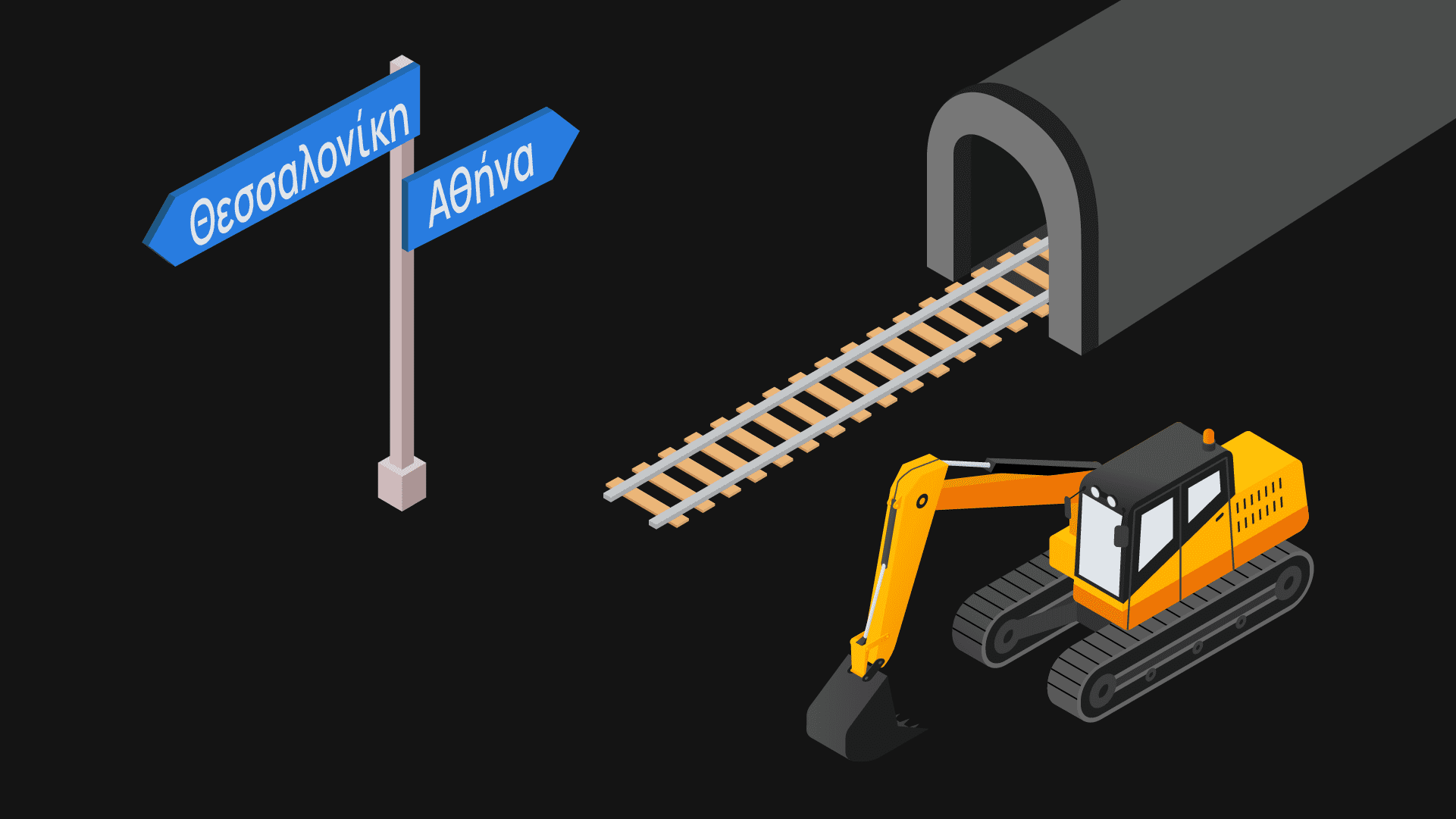
The contract between ERGOSE and the companies TOMI–Alstom was signed in September 2014, with a two-year implementation deadline.
It included the reinstallation of the signaling and remote control system* and the installation of the European Train Control System (ETCS)** on the Athens-Thessaloniki-Promachonas route.
*Management of train traffic via remote control.
**Automatic braking system for trains, reducing the likelihood of human error.
To what extent has it been completed?
According to the Minister of Transport, Chr. Staikouras, the system was 1% installed in 2019, 31% in February 2023, and 100% in September 2023. However, due to the severe weather conditions of Daniel (October 2023), it is now operating at 80%.
Workers, however, deny that the system is functioning correctly even today, and government spokesperson P. Marinakis did not clarify whether it is working or not.
“Had 717 Contract been completed, the accident would ‘certainly’ have been avoided.”
– European Prosecutor’s Office.
 (fyinews)
The day after the accident (March 1, 2023), the first gravel was placed at the site of the incident to stabilize the cranes that would remove the damaged carriages.
Three days after the accident (March 3, 2023), a meeting was held with politicians, the Hellenic Police (EL.AS.), and the Fire Department, where it was decided to fully clear the area with bulldozers (filling in), citing the need for the immediate resumption of train services (which ultimately restarted on March 29, 2023).
One month ago, police officers assigned to secure the area revealed that political figures had pressured them during this meeting to approve the “filling.”
Among those present were Deputy Minister for Civil Protection Christos Triantopoulos, the Secretary-General of the Ministry of Transport, Yiannis Xifaras, and the then Regional Governor of Thessaly, Kostas Agorastos.
Experts argue that, had the filling not occurred, traces of flammable liquids from the commercial train could have been detected much earlier.
In early February 2025, Christos Triantopoulos stated he would resign once the Pre-investigative Committee is formed to investigate his potential criminal responsibility for the “filling in.”
Kostas Agorastos is being prosecuted for dereliction of duty for the same reason.
 (fyinews)
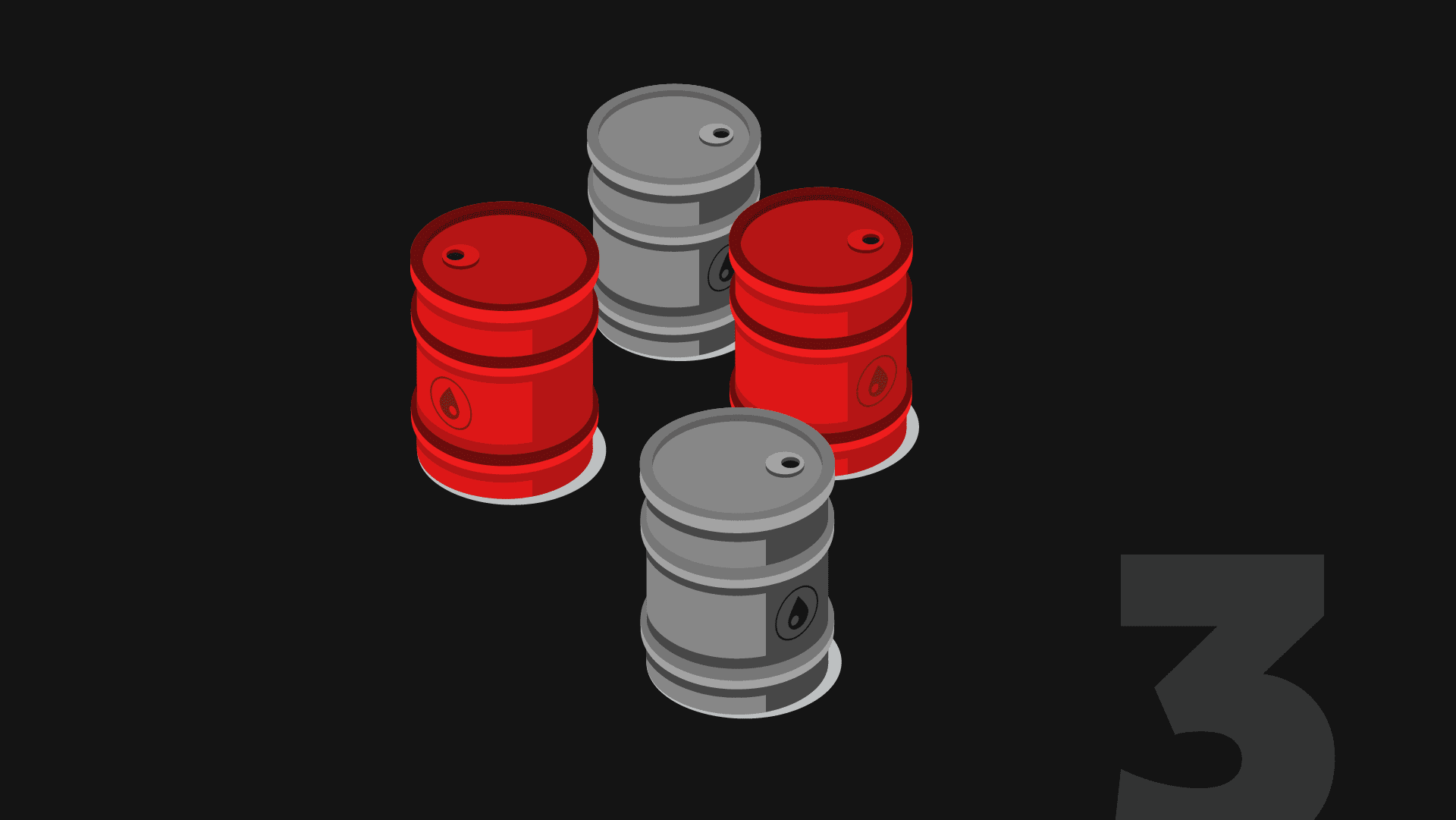
After the accident, the Fire Department and two judicial experts issued different reports, attributing the explosion and the fire that broke out immediately after the collision to silicone oils in the train engines.
However, from the outset, the technical experts hired by the families disputed these findings.
In mid-January 2025, a report was submitted to the Larissa appellate investigator, stating that the deaths of around 30 passengers who survived the initial collision occurred in a secondary phase due to the ignition of liquids carried by the commercial train.
What happens next?
Two reports, set to be released soon, are expected to clarify the causes of the explosion.
Both are expected to be submitted to the Larissa appellate investigator in the near future.
 (fyinews)
The videos from the Hellenic Railways Organization (OSE) security cameras at the Thessaloniki freight station could provide answers as to whether there was illegal cargo on the freight train.
Following a request from the relatives (March 29, 2023), the appellate investigator requested the hard drives containing the videos from the loading of the commercial train.
However, OSE and the involved security company sent the wrong videos (from the passenger station instead of the freight station) with significant delays. After 15 days, the videos were deleted as the hard drives were overwritten with new material.
The law stipulates that in the case of criminal investigations, files should be kept for a period longer than the usual 15 days. OSE was aware of this, but the videos were still deleted.
What happened: The hard drives were sent for processing in special laboratories, but they could not retrieve footage from the day of the accident, meaning the authorities did not have any material showing the movement of the commercial train.
Nearly two years later, on February 5, 2025, the railway network security company’s lawyer sent three new videos to the appellate investigator, showing the commercial train shortly before the collision.
The report from the two judicial experts appointed by the appellate investigator to inspect the videos states that the train shown in the videos is commercial, but it does not confirm their authenticity. This will be further investigated by the forensic laboratories of the Hellenic Police (ELAS).
 (fyinews)