Much of Africa has been mired in wars over the past 15 years, with these conflicts largely overshadowed by the events in Ukraine and the Middle East.
Currently, there are 28 active wars in 16 out of the 54 countries on the continent, more than double the number in 2010 and the highest since 1946, excluding conflicts involving non-national military forces.
The list includes both newer conflicts (e.g., Ethiopia, Sudan) and longstanding ones (e.g., Somalia, Nigeria, Congo), while the western Sahel region, south of the Sahara, has become a battleground spanning 6,500 kilometers.
The western Sahel accounts for 10% of sub-Saharan Africa’s total land area, roughly ten times the size of the United Kingdom.
These wars have led to “immeasurable human suffering… in a continent that is already the poorest in the world,” as noted by The Wall Street Journal.
A key turning point was in 2011, during the pro-democracy uprisings of the Arab Spring when NATO forces intervened in Libya to support rebels fighting against Moammar Gadhafi.
With Gadhafi’s death, Libya plunged into chaos, and thousands of armed fighters moved south into Mali, reigniting conflicts that coincided with the global rise of extremist ideologies promoted by Al-Qaeda and ISIS. From Mali, jihadist insurgencies spread to Burkina Faso and Niger.
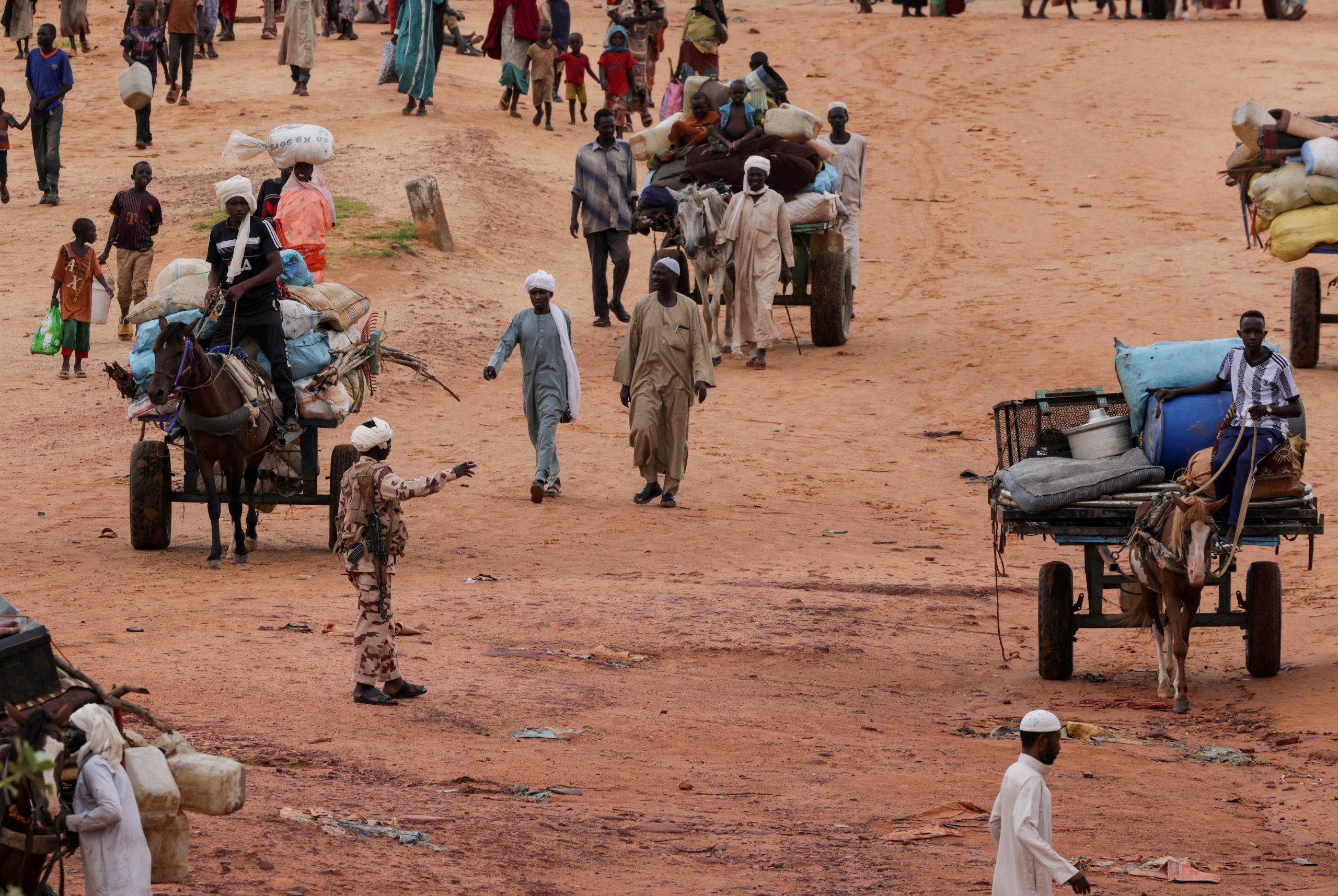
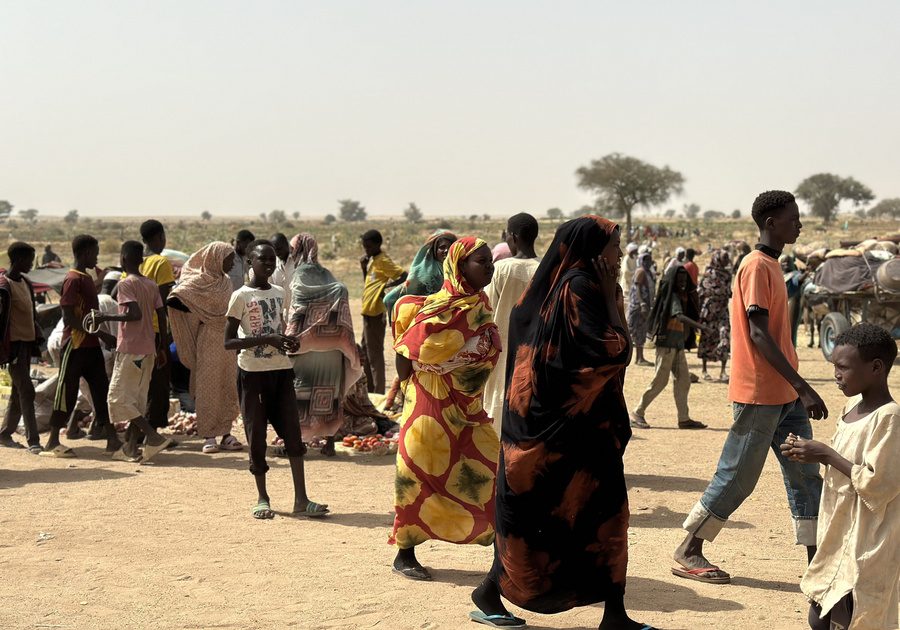
These conflicts have displaced a record number of Africans, the majority within their own countries. The continent now hosts nearly half of the world’s internally displaced people, around 32.5 million by the end of 2023. This number has tripled in just 15 years.


 What is fyi.news?