What is fyi.news?
- Pompeii 753 BC–79 AD
- And time moves on
- Vermont 1785
- Naples 1889
- India 1890
- Los Angeles 1922
- London (1939–1945)
- USA 1950
- USA 1960
- Michigan 1974
- Santa Cruz 1994
- San Francisco 1995
- 2000–2020
- 2020


 (fyiteam)
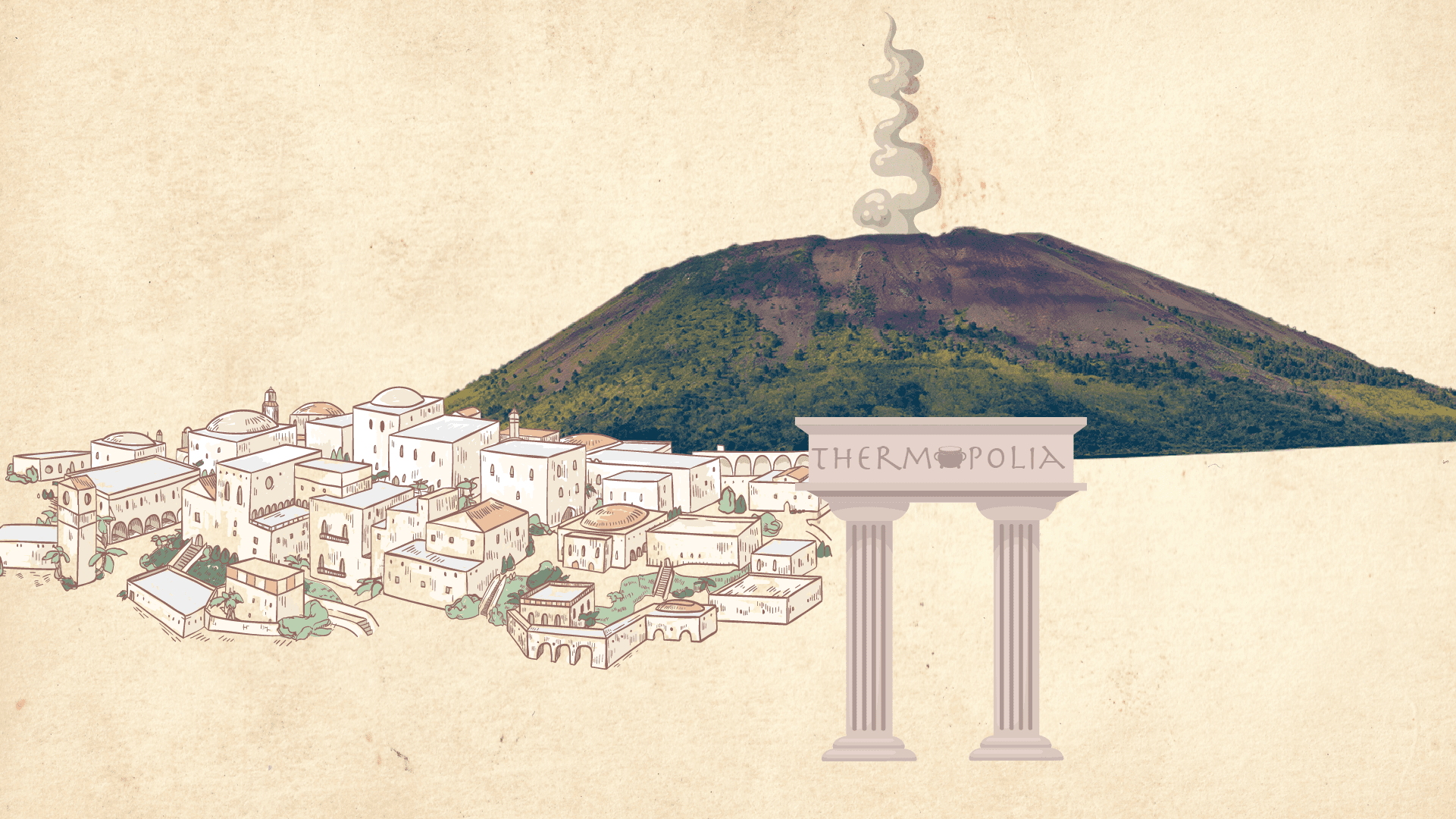
To fully explore the history of delivery services, we must travel back some millennia to ancient Pompeii (Naples) and its surrounding cities, where dozens of “thermopolia,” or early “fast food restaurants” and “takeout joints,” were in operation.
These establishments had large pots of hot food, and their customers, mostly the poorer citizens of Pompeii, would buy it to eat elsewhere (usually at home) as they lacked proper cooking facilities.
There is no clear evidence of delivery services as we know them today, but the “thermopolia” laid the groundwork for their development.
Despite “takeaway” restaurants appearing one after the other over the centuries (from the 11th and 12th centuries in Asia to the 19th century in the US and Europe), we had to wait until 1889 for the first confirmed delivery to take place.
 (fyiteam)
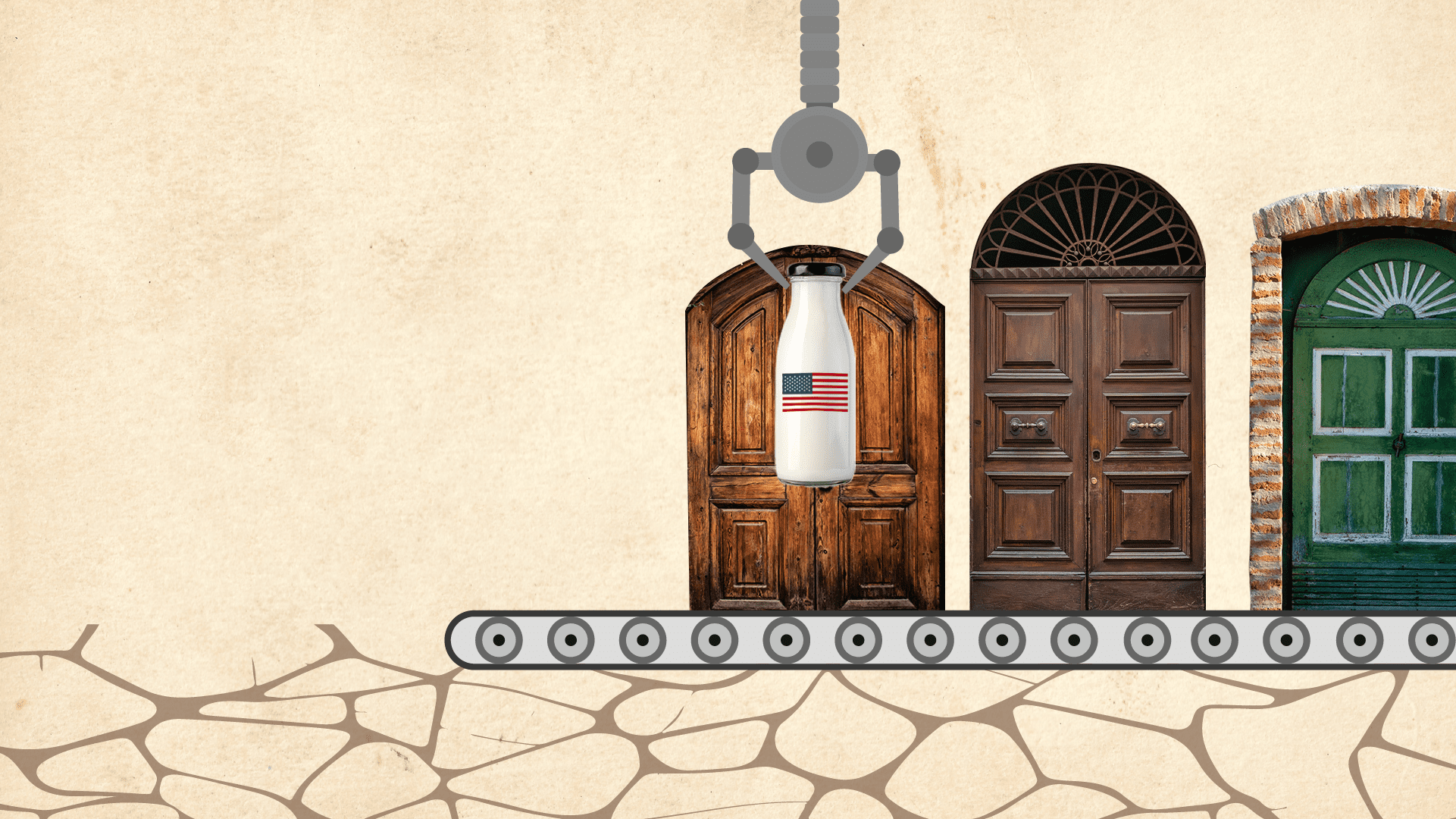
The first home milk delivery was introduced in Vermont in 1785.
Looking for ways to sell more milk, farms decided to send their workers (milkmen) from house to house with a barrel full of milk. People would bring whatever containers they had – jugs, buckets, and even vases – and the milkmen would fill them up.
The first glass milk bottle was created in 1878, a development that changed milk delivery to homes forever, at least until the 1940s, when the profession of milkmen began to decline.
 (fyiteam)
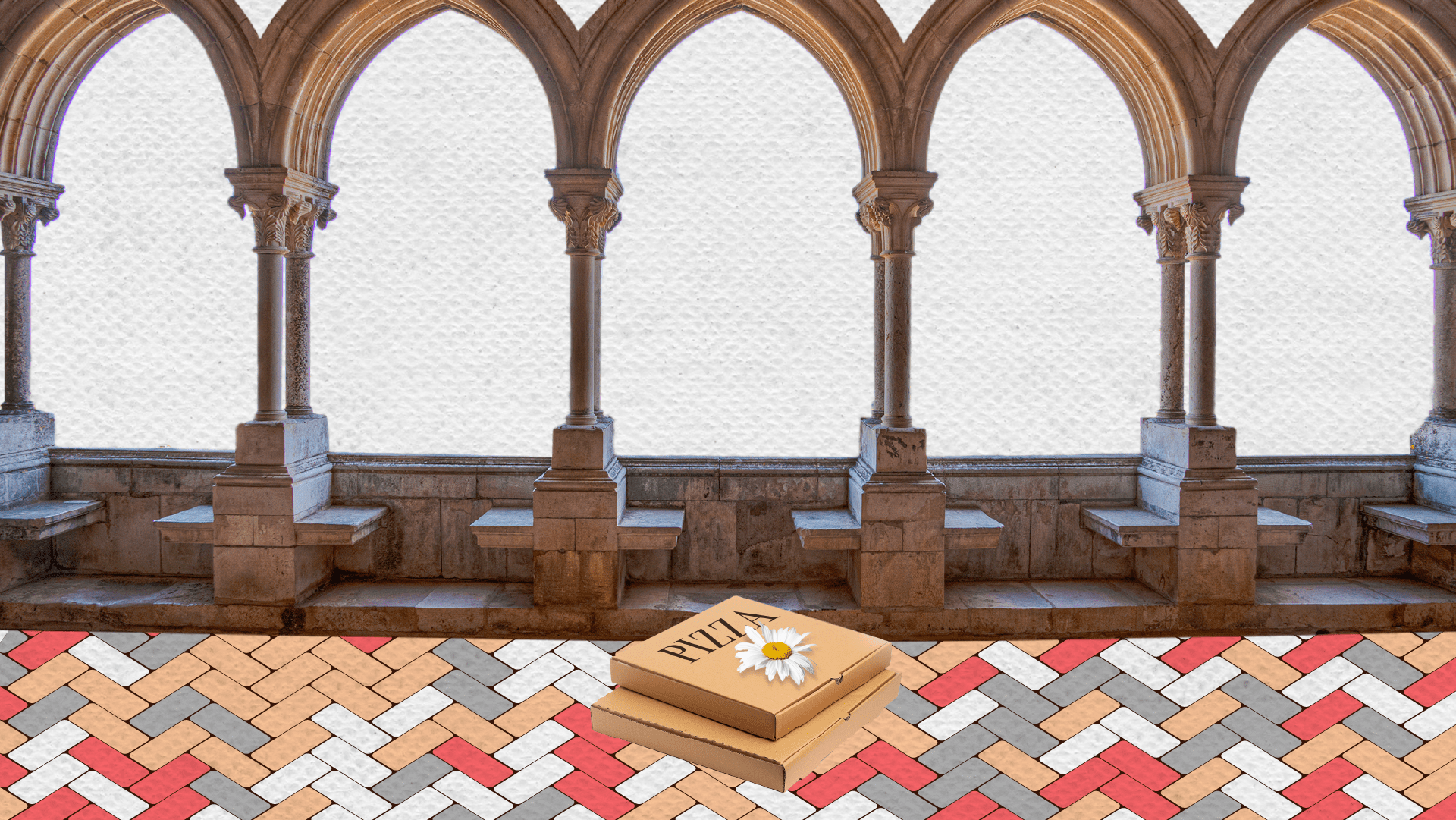
In 1889, the Italian royal couple, King Umberto and Queen Margherita, visited Naples (a full circle moment).
The story goes that the couple requested that their food be delivered to their residence. However, some historians argue that this occured after the Queen fell ill.
In any case, the first recorded delivery in history, specifically of pizza, is a fact.
Fyi:According to legend, one of the three pizzas delivered to the Queen featured tomato (red), mozzarella (white), and basil (green), designed to represent the colors of the Italian flag. Queen Margherita reportedly liked it so much that the pizza maker named it after her. However, there isn’t sufficient evidence to confirm this story.
 (fyiteam)
Nearly 135 years ago, while still under British rule, India introduced a mass meal delivery system called dabbawalla in densely populated urban areas like Bombay.
The delivery men were called “dabbawalas,” and their job was to deliver food to people at their places of work.
Almost 5,000 dabbawalas (the word’s exact translation is people carrying boxes)continue operating today, delivering more than 200,000 meals daily.
 (fyiteam)
It was only a matter of time before Indian delivery reached the US, where takeaway had already become an integral part of daily life.
In 1922, the first restaurant offering delivery services opened in Los Angeles. Kin-Chu was advertised as “The only place on the West Coast that cooks and delivers real Chinese food.”
The concept was adopted by many other restaurants until the Great Depression of 1929 made delivery a luxury.
During the aerial bombings of London, the government mobilized cooks and volunteers to prepare and deliver ready meals to residents, enabling them to remain in their homes.
Shortly after, both Australia and the US adopted this practice, and delivery spread to every corner of the globe.
As television became a primary source of entertainment for Americans, restaurateurs, losing an increasing number of customers who preferred to stay home and eat while watching TV, turned to delivery services, now handled through phone orders.
At the same time, Americans’ craze for pizza led to the first pizzeria to offer delivery services, Casa D’Amore, in Los Angeles in the early 1950s.
.
The first food truck, as we know it today, opened in 1872 in Providence, Rhode Island (USA), outside the offices of a newspaper.
However, mobile food trucks became widespread in the USA during the 1960s, allowing workers to eat at their workplaces.
They were initially called “roach coaches” because their hygiene standards were far from ideal.
In Greece, the first food trucks emerged in the late 1970s.
In 1974, Donald Sherman, a Michigan resident with Moebius syndrome (a rare condition causing facial paralysis), used computer voice assistance to call Domino’s and place a pizza order.
When Domino’s hung up on him, he called the local Mr. Mike’s, which accepted the order.
Donald Sherman thus became the first person to order a pizza using computer assistance, and Mr. Mike’s became the first pizzeria to deliver it.
 (fyiteam)
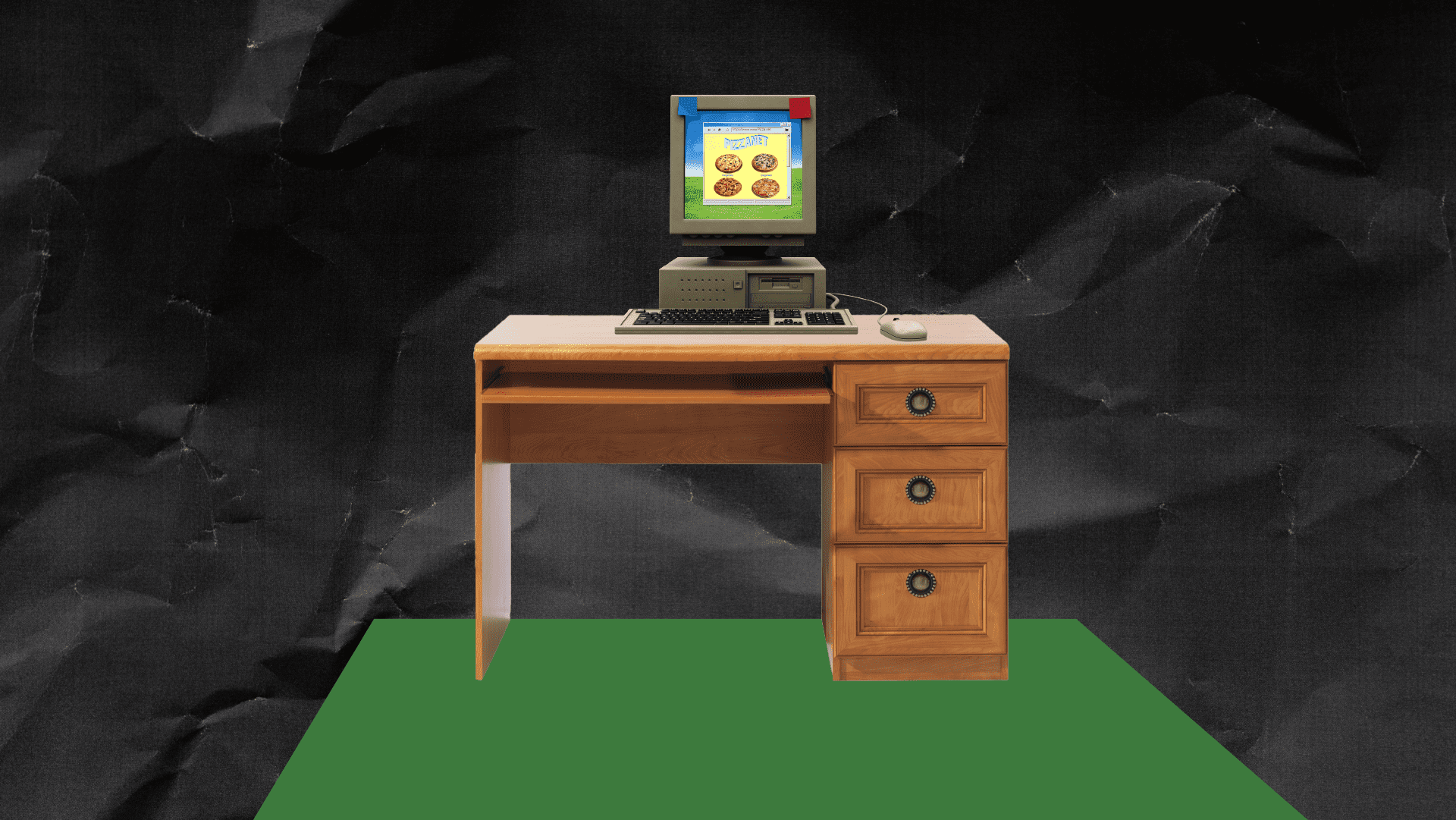
In 1994, a Pizza Hut location in Santa Cruz, California, experimented with PizzaNet, a website where customers could fill out a simple online form with their details and the pizza they wanted, which would then be delivered to their door.
This marked the first online food order from a single store, making pizza one of the first products ever sold online.
(The very first item sold online was a Sting CD, also in 1994, in Philadelphia, USA.)
This brings us to San Francisco in 1995, when Waiter.com, the first online food delivery service, was founded.
Waiter.com launched with over 60 partner restaurants in the greater San Francisco area and grew to over 1,300 restaurants by 2017.
 (fyiteam)
In the 2000s, online delivery expanded significantly, and food delivery apps dominated the market, especially with the advent of smartphones.
In the 2010s, companies delivering daily meal ingredients emerged, and grocery delivery from supermarkets became widely established.
 (fyiteam)
In 2020, the COVID-19 pandemic led to the closure of most public spaces and forced nearly all restaurants to suspend dine-in services.
Delivery became almost essential for the first time in history as the food service industry faced the greatest challenge of the modern era. Restaurants either adapted to delivery or shut down.
From February to April 2020, restaurants quickly adapted, leading to an explosive 840% increase in global weekly sales through online orders.
The journalistic investigation was carried out with help from e-food.